
Lieferung heute & morgen

Qualitätsgarantie

Willkommens-Angebote freischalten: KOSTENLOSE Lieferung | Bis zu 80 % RABATT | Kostenlose 30-Tage-JoyPlus-Testphase
App herunterladen
Pigmentation, acne scars and an uneven skin tone can be addressed as part of your daily routine with the right skincare product. However, if you are looking for a facial serum for pigmentation, you should not be guided solely by terms such as “glow”, “brightening” or “lightening”. The key factors are the ingredients, how the product is used and how well the overall formulation suits your skin.
A percentage can initially sound informative. However, it does not automatically tell you whether the product is suitable for your skin. An alpha-arbutin serum, vitamin C serum or tranexamic acid serum may vary in texture, richness and potential to cause irritation depending on its formulation. Concentrations are also not directly comparable across every product, as the recipe and the form of the active ingredient used may differ.
Light-reflecting particles, moisture and a smoothing texture can temporarily make the skin appear more radiant. This is not the same as a long-term change in visible dark spots. A serum for radiant skin may therefore mainly offer cosmetic and skincare benefits, while a serum for dark spots uses more targeted active ingredients.
UV radiation can affect the development or visibility of discolouration. A brightening facial serum is not a substitute for sun protection. Your morning routine should therefore include a product with a suitable sun protection factor. If you have sensitive skin, it is also advisable to carry out a patch test on a small area of skin before using the serum regularly on your face.
The ingredients listed above are not a guarantee of a particular result. If you have a skin condition, sudden changes or persistent symptoms, the underlying cause should be assessed by a medical professional.
Look for information such as fragrance-free, the type of acid included and any additional moisturising ingredients. Hyaluronic acid, glycerin or panthenol may be particularly appealing if you have dry skin. Sensitive skin often benefits from a straightforward routine, while heavily fragranced or acid-based products may be less suitable if your skin is prone to sensitivity.
A lightweight, fast-absorbing serum is easier to use under a moisturiser or make-up. Vitamin C ampoules should be used up after opening in accordance with the manufacturer’s instructions. For products containing acids, the recommended frequency of use is particularly important. Always check the current INCI list and the information on the packaging, as formulations can change.
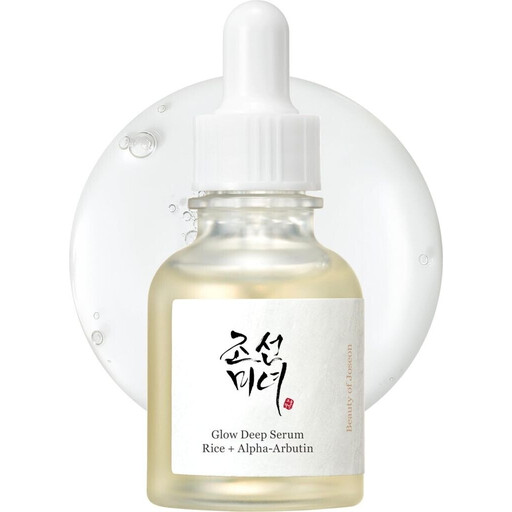
Why this product suits this profile: The 30ml formulation combines alpha-arbutin with niacinamide, panthenol and moisturising ingredients. It is a straightforward option for anyone looking for an uncomplicated serum to help create a more even skin tone.
The INCI list identifies the key skincare ingredients instead of relying solely on a glow-related claim. It does not guarantee a specific result.
Alpha-arbutin, niacinamide and panthenol; apply after cleansing, followed by moisturiser.
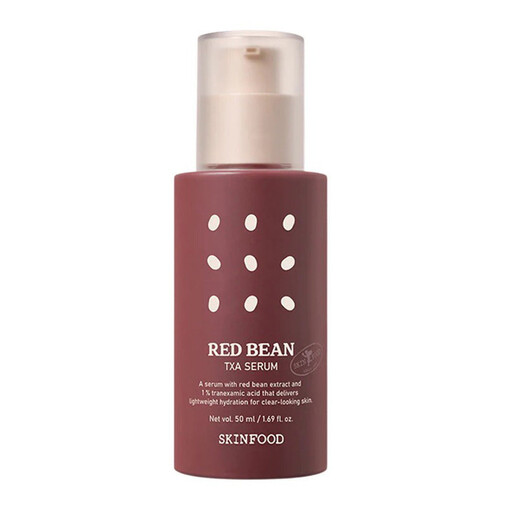
Why this product suits this profile: This 50ml serum combines tranexamic acid with red bean extract in a lightweight texture. It is aimed at anyone wanting to add a hyperpigmentation serum to their morning and evening routine.
The usage instructions specifically mention using sun protection during the day and carrying out a patch test before first use.
Tranexamic acid as the key ingredient; a lightweight, fast-absorbing texture and 50ml content.
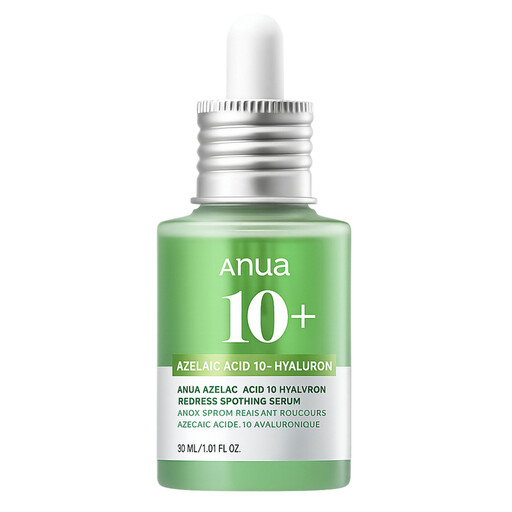
Why this product suits this profile: The formulation contains 10% azelaic acid, hyaluronic acid, panthenol, centella ingredients and ceramide NP. It is designed to provide lightweight care for sensitive skin prone to redness.
The instructions recommend starting slowly with one or two applications per week and carrying out a patch test.
10% azelaic acid; additional ingredients including panthenol, hyaluronic acid, centella and ceramide NP.
We have compiled a complete, regularly updated list of products that fully meet these strict selection criteria and the safety regulations applicable in the EU.
This depends on the formulation. Moisturising serums are often used morning and evening, while acid-based products are generally introduced less frequently. The manufacturer’s instructions and your individual skin tolerance are the deciding factors.
Please check the open-jar symbol, the stated shelf life and the information on the packaging. Ampoules should usually be used immediately after opening. Changes in smell, colour or consistency indicate that you should stop using the product.
Depending on the formulation, combining them may be possible, but it may not be necessary. Introduce new products one at a time, check the usage instructions and, if you have sensitive skin, avoid using several potentially irritating active ingredients in the same routine. Sun protection remains an important part of your daytime routine.