
Lieferung heute & morgen

Qualitätsgarantie

Willkommens-Angebote freischalten: KOSTENLOSE Lieferung | Bis zu 80 % RABATT | Kostenlose 30-Tage-JoyPlus-Testphase
App herunterladen
A facial serum can provide targeted support within a skincare routine, but it is often promoted with exaggerated claims. Terms such as “glow”, “lifting” or “cellular regeneration” reveal little about the actual formulation on their own. What matters is the skin type, the concentration of relevant ingredients, tolerability and realistic day-to-day use.
A hyaluronic acid serum binds water at the skin’s surface. This may result in a smoother, more supple skin feel. However, it is not a substitute for a cream, which also supplies lipids and creates a protective moisturising layer. A peptide serum or anti-ageing serum should likewise not automatically be associated with permanently smoother-looking fine lines.
For this reason, pay attention to the complete INCI list rather than only the prominently advertised ingredients. If an ingredient appears near the top, it is generally present in a higher amount—although the exact concentration cannot be reliably determined from its position alone.
A retinal serum and a retinol serum are among the more intensive options for an evening routine. If your skin is sensitive or prone to irritation, applying such products too frequently can be uncomfortable. When starting out, use a small amount a few times per week, followed by a moisturising product.
A “brightening serum” containing niacinamide, alpha-arbutin or vitamin C derivatives should also be introduced gradually. It should not be applied to irritated or damaged skin. During the day, a suitable sunscreen is an essential part of the routine, particularly when using products containing vitamin A derivatives.
Serums designed for all skin types may have a lightweight, uncomplicated texture. Nevertheless, fragrances, essential oils, alcohol or certain botanical extracts may be undesirable for some individuals. If your skin tends to be dry, sensitive or blemish-prone, compare the ingredient list with your own experience.
Before applying a product over a larger area for the first time, it is advisable to perform a patch test on a small area of skin. If burning, persistent redness or itching occurs, discontinue use. Cosmetic products are not a substitute for dermatological advice.
For dry or dehydrated skin, humectants such as glycerin, panthenol, urea and hyaluronic acid are often suitable. A hydrating serum or serum for dry skin can then be layered with a cream.
For mature skin, formulations containing peptides, retinal, retinol or stable vitamin C derivatives may be worth considering. If you are looking to achieve a more even-looking complexion, look for niacinamide or alpha-arbutin. For blemish-prone skin, a lightweight, non-greasy texture is often more practical than a heavily oil-based product.
Not every percentage is directly comparable. A product containing an encapsulated active ingredient may be formulated differently from a conventional serum. For example, KSECRET Seoul 1988 combines a 2% retinal liposome complex with black ginseng, according to the product information. Medik8 Crystal Retinal 1 is listed as containing 0.01% stabilised retinal. These two percentages should therefore not be viewed in isolation as a measure of quality.
When formulations change, the packaging is authoritative. This also applies to fragrances and preservatives. Before purchasing, check the current ingredient list as well as the best-before date or period-after-opening symbol.
A serum is generally applied after cleansing and, if desired, after a toner. A cream follows; in the morning, sunscreen should be applied as the final step. Using several active serums at the same time does not automatically increase the benefits and can make the routine unnecessarily complicated.
Retinal and retinol products should be introduced gradually. According to the product description, the KSECRET product recommends starting with two applications per week and increasing frequency gradually. An even more cautious approach may be appropriate for sensitive skin. A hyaluronic acid serum or soothing serum, by contrast, can often be incorporated more easily into both morning and evening routines—provided it is well tolerated individually.
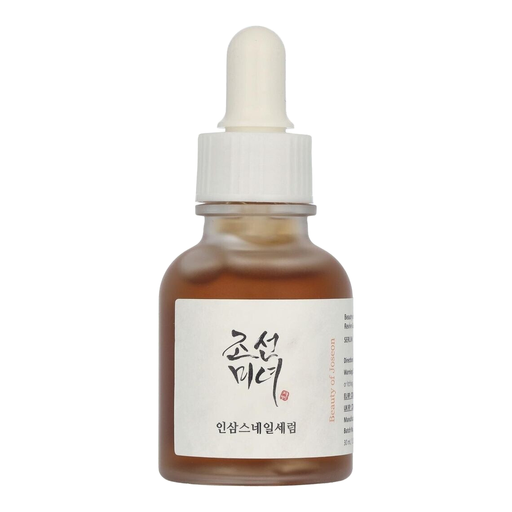
Why it suits this profile: The manageable 30 ml size is well suited to those beginning to explore Korean facial serums and can be used in the morning or evening.
The product description specifies ingredients such as 3% snail secretion filtrate, niacinamide and hyaluronic acid instead of relying solely on general glow claims.
Ginseng, Centella asiatica and several forms of hyaluronic acid are listed in the stated INCI list.
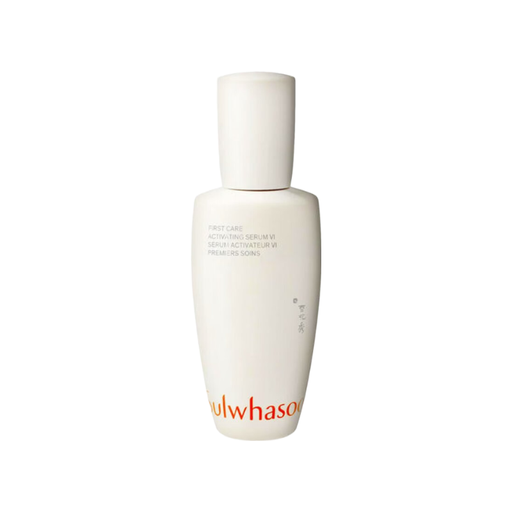
Why it suits this profile: The larger 90 ml bottle is appealing to anyone looking to build a Korean skincare system with a serum as an early step in the routine.
Application of two to three pumps morning and evening is clearly described, and the formulation is stated to be suitable for all skin types.
JAUM Activator and fermented ginseng extract are identified as key ingredients. The product has a more luxurious, botanically described fragrance.
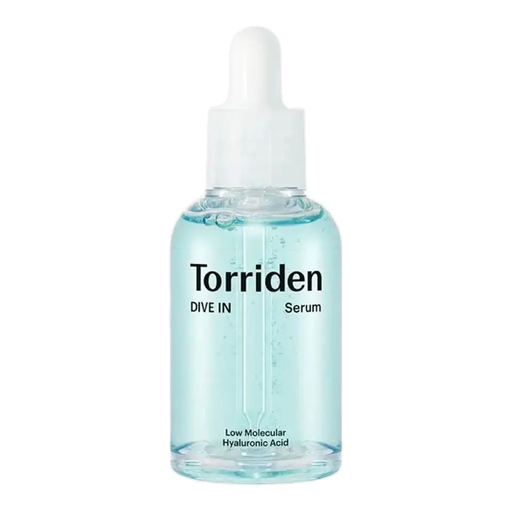
Why it suits this profile: The 50 ml size and lightweight, fragrance-free formulation are well suited to a regular hydration routine.
Five forms of hyaluronic acid, panthenol, ceramide NP and beta-glucan are specified in the product description or INCI list.
Suitable as a hydrating serum for dehydrated skin; according to the product information, it is vegan and fragrance-free.
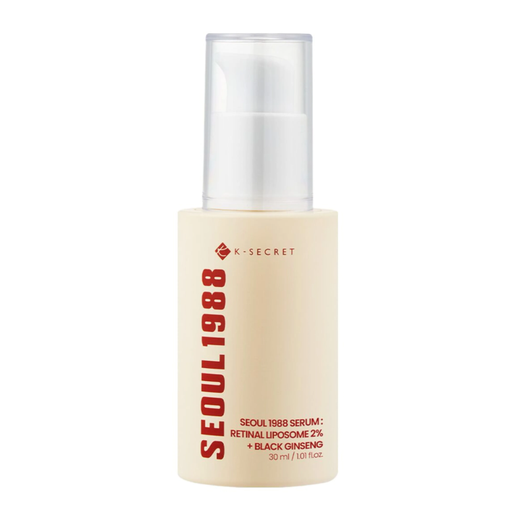
Why it suits this profile: For users who want to incorporate a retinal serum specifically into an evening routine for mature skin.
The product description includes a specific step-by-step acclimatisation plan and recommends a sensitivity test beforehand.
Retinal liposomes, black ginseng, bakuchiol, niacinamide, vitamin C and peptides are listed among the ingredients.
Our current selection includes facial serums for different skin types, active ingredient preferences and skincare routines. Always check the product information and current INCI list before purchasing.
After cleansing, distribute a few drops or one to two pumps over the face and neck. Follow with a cream. In the morning, apply sunscreen as well. The manufacturer’s specific dosage and recommended application order take precedence.
The period-after-opening symbol on the packaging and the stated best-before date are decisive. Light- and air-sensitive active ingredients should be stored tightly closed, in a dry place and according to the manufacturer’s instructions. Any change in scent, colour or consistency is a reason to stop using the product.
In principle, combinations are possible, but they are not always advisable. A hydrating serum containing glycerin or hyaluronic acid can often be added without difficulty. Retinal, retinol, strong acids and other active products, however, should not be combined thoughtlessly in the same routine. A streamlined routine makes it easier to assess your individual tolerance.