
Lieferung heute & morgen

Qualitätsgarantie

Willkommens-Angebote freischalten: KOSTENLOSE Lieferung | Bis zu 80 % RABATT | Kostenlose 30-Tage-JoyPlus-Testphase
App herunterladen
A facial serum complements your daily skincare routine with a generally lightweight, concentrated formula. Depending on its composition, a face serum may primarily provide hydration, support the skin barrier or target specific skincare goals, such as a more even-looking complexion. What matters is not eye-catching packaging, but the combination of ingredients, skin compatibility, texture and application.
Terms such as “glow”, “lifting” or “repair” often describe a product’s positioning, but they are not consistent quality or efficacy standards. An anti-ageing serum with peptides is not automatically suitable for every mature skin type. Likewise, a vitamin C serum is not necessarily the right choice for sensitive skin.
You should therefore check the complete INCI list. In a hyaluronic acid serum, for example, possible names include Sodium Hyaluronate, Hydrolyzed Hyaluronic Acid or Hyaluronic Acid. An ingredient’s position in the list provides a general indication of its concentration, but does not replace a precise percentage disclosure.
A universal product claim may be convenient, but it says little about individual skin compatibility. Alcohol, fragrances, acids, essential oils or certain botanical extracts can trigger unwanted reactions in some people. Even a serum for sensitive skin should first be tested on a small area of skin.
If redness, burning, swelling or itching persists, discontinue use. Cosmetics are not intended to treat skin conditions. If symptoms recur, seeking medical advice is recommended.
A 100 ml serum may cost less per millilitre than a 30 ml product. However, if it is used up slowly, its shelf life after opening can become the deciding factor. Look for the PAO symbol, which may show “12M”, for example, indicating twelve months after opening. Also check the printed best-before or expiry date.
A 2% niacinamide serum should be assessed differently from a formula with a significantly higher concentration. For sensitive skin or skin that is not yet accustomed to active ingredients, a gradual introduction is advisable.
Watery, fast-absorbing products often work well underneath a day cream or sunscreen. Richer serums containing oils or emollients may be better suited to dry skin and an evening routine. As a general rule, apply a serum after cleansing and, if desired, after toner. Follow with a moisturiser; in the morning, sunscreen with an adequate SPF is an essential part of facial care.
Do not introduce several active products at the same time. This makes it easier to identify which product may be irritating your skin.
Vitamin C and other oxidation-sensitive ingredients require packaging that minimises exposure to light and air. Also check whether the current ingredient list on the product packaging matches the online description. Formulas may change between batches.
For Korean facial serums and other K-Beauty skincare, details such as the responsible person in the EU, country of origin, contents, shelf life and warnings are particularly important. This information should be clearly verifiable before purchase.
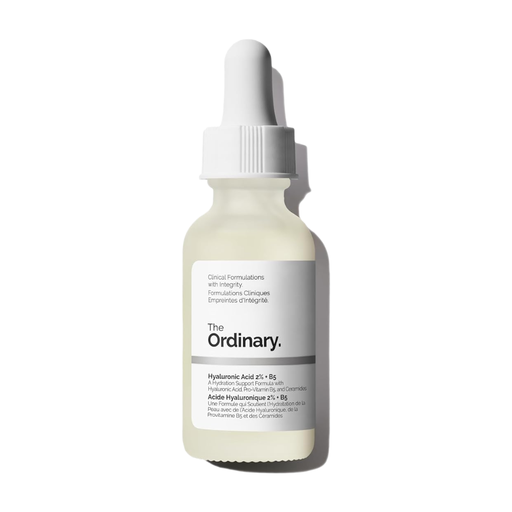
Why it suits this profile: The compact 30 ml size and straightforward ingredient list make it easier to get started with a hydrating serum.
The product details specify several forms of hyaluronic acid and panthenol instead of relying solely on a vague “glow” claim.
30 ml content; according to the product details, it is intended for morning and evening use and for layering with other skincare products.
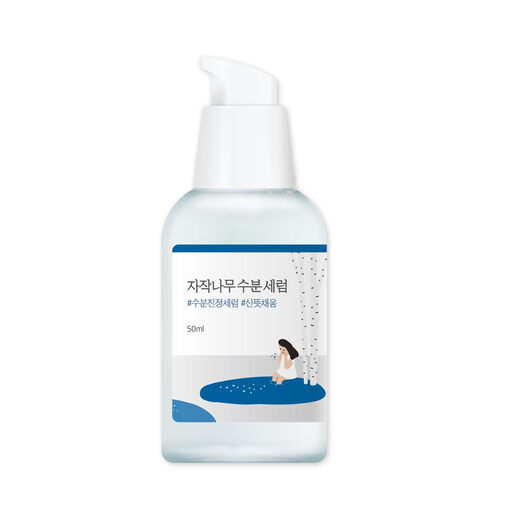
Why it suits this profile: The lightweight texture is designed for daily use and layers easily with a moisturiser.
The product description specifically lists glycerin, several forms of hyaluronic acid and beta-glucan. This makes it easier to compare the formula with your own skincare goals.
50 ml content; according to the product details, a vegan formula that has been dermatologically tested. The packaging information is authoritative.
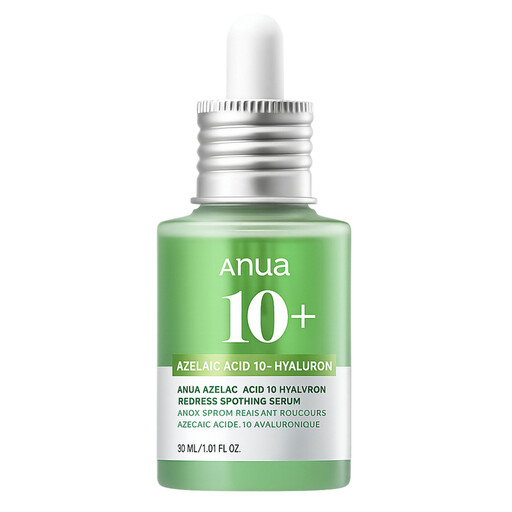
Why it suits this profile: The formula combines azelaic acid with hyaluronic acid, panthenol and cica ingredients.
The product details specify 10% azelaic acid and recommend introducing it gradually. This is more relevant than a blanket claim that it suits every skin type.
Watery texture; according to the product description, non-comedogenic and suitable for a gradual introduction starting at once or twice a week.
A vitamin C serum, acids or a serum for redness should be incorporated into an existing routine with particular care. During the day, an appropriate sunscreen should be used when these are your skincare goals.
Discover a current selection of hydrating serums featuring different active ingredients, textures, sizes and price points. Before purchasing, check the complete product information and safety instructions.
In the usual order, serum is applied after cleansing and, if desired, toner, but before moisturiser and sunscreen. The specific recommendation on the product label takes priority. When using several serums, lightweight, watery textures should generally be applied before richer formulas.
This depends on the formula and packaging. The PAO symbol often indicates a period of, for example, twelve months. If the colour, smell or consistency changes, or if your skin reacts differently, discontinue use. Store the product in a cool, dry place away from direct sunlight.
Look for a relatively straightforward formula and avoid fragrances or alcohol if you know that your skin does not tolerate them. Panthenol, allantoin, beta-glucan and Centella asiatica ingredients are often found in products designed to soothe. Your individual skin type remains the deciding factor: test a new serum for sensitive skin on a small area first and introduce it gradually into your routine.