
Lieferung heute & morgen

Qualitätsgarantie

Willkommens-Angebote freischalten: KOSTENLOSE Lieferung | Bis zu 80 % RABATT | Kostenlose 30-Tage-JoyPlus-Testphase
App herunterladen
Sensitive skin often reacts to overly intensive cleansing, fragrance or frequent changes of product. At the same time, claims such as “soothing”, “barrier-supporting” or “suitable for all skin types” do not always tell you enough to judge whether a product is right for you. If you’re buying facial skincare for sensitive skin, it’s worth checking the INCI list, how to use the product and its texture more closely.
A product described as gentle may still contain perfume, essential oils or fragrance allergens that must be declared. This applies not only to creams, but also to facial cleansing gels, facial cleansing oils and cleansing foams. If your skin is red or irritated, look out for ingredients such as “Parfum”, “Limonene”, “Linalool” or essential oils.
Hyaluronic acid, panthenol, ceramides, plant extracts and peptides can be combined effectively in a formula. However, if you introduce several new products at once, it’s difficult to tell which ingredient is responsible if redness or stinging occurs. A straightforward routine is often more practical than an extensive skincare system.
A very rich cream may feel comfortable on dry skin, but can feel heavy on combination skin. Conversely, a light gel may not be enough if your skin is very dry. Your skin’s condition, the season, indoor climate and how you plan to use the product all matter.
There are several types of product to choose from for daily cleansing:
Check the specific directions for use and rinse with lukewarm rather than hot water. Vigorous rubbing with flannels or cotton pads can put extra strain on the skin.
Ingredients such as glycerin, panthenol, ceramides, squalane or shea butter may be worth looking for in a soothing face cream. However, these ingredients won’t suit everyone equally. If you know your skin is sensitive, check plant extracts and essential oils particularly carefully.
Korean skincare often features lightweight gel textures, Centella asiatica, panthenol or hyaluronic acid. However, where a product comes from is no guarantee of quality. The complete INCI list, the product’s purpose and how well it suits your skin are what matter.
A pump dispenser can make a product easier to dispense and reduce contact with it. If you’re using a jar, make sure your hands are clean. Also check:
If you have sensitive skin, it’s a good idea to test the product on a small area of skin before applying it more widely. If redness, swelling, itching or stinging persists, stop using the product and seek medical advice if necessary.
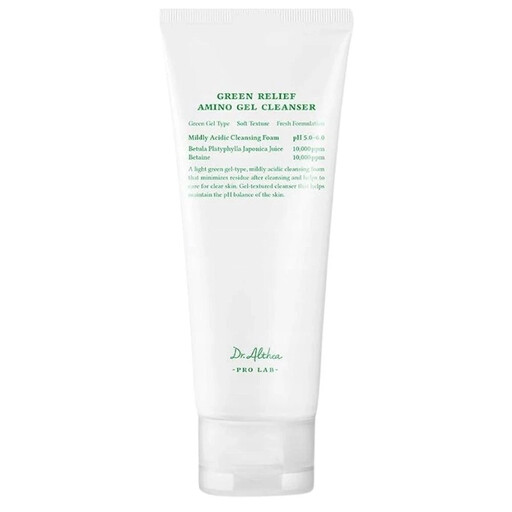
Why this product suits this profile: This 100 ml cleansing gel is designed for daily use. Apply it to damp skin, then rinse off. Its gel texture is a good fit if you prefer a straightforward cleanser that you can wash off with water.
The product description lists amino acid-based surfactants, along with panthenol, allantoin and hyaluronic acid. Even so, check the complete INCI list against the packaging before buying.
Rinse-off gel texture, 100 ml size and a formula containing glycerin, panthenol and Sodium Hyaluronate.
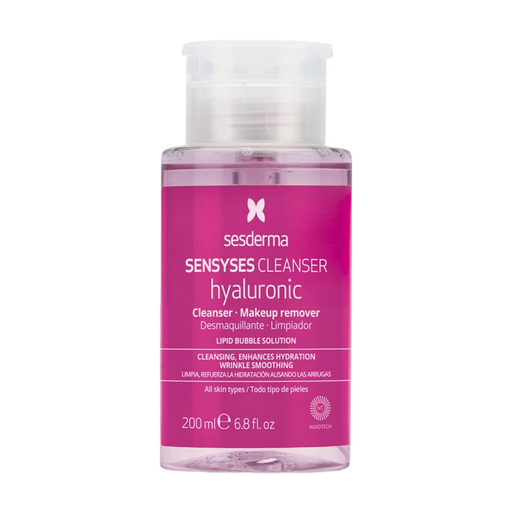
Why this product suits this profile: Apply this liquid cleanser to the face and neck with a cotton pad. According to the product instructions, there’s no need to rinse it off. That can be handy if you prefer a pared-back evening routine.
The directions for use are clear. However, the INCI list includes alcohol and perfume, so anyone sensitive to these ingredients should check the details carefully before use.
200 ml size, liquid texture and hyaluronic acid in three molecular sizes, as stated in the product description.
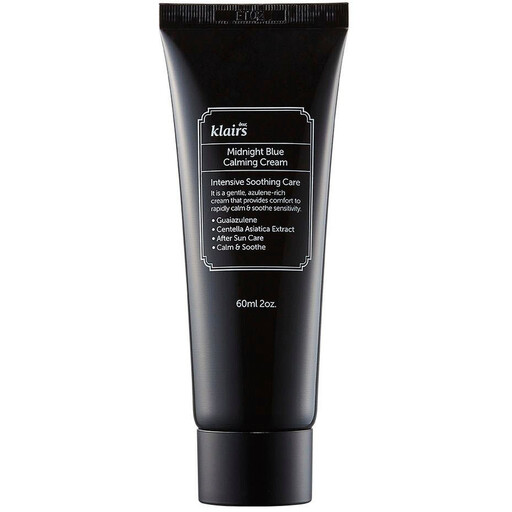
Why this product suits this profile: According to the product information, this concentrated cream can be applied to specific areas or the whole face, morning and evening. That makes it a versatile option for changing skincare needs.
Flexible application means you don’t have to use a rich cream all over your face. Stop using it if you experience a reaction.
The stated INCI list includes glycerin, Ceramide NP, Centella and chamomile extracts, and Guaiazulene.
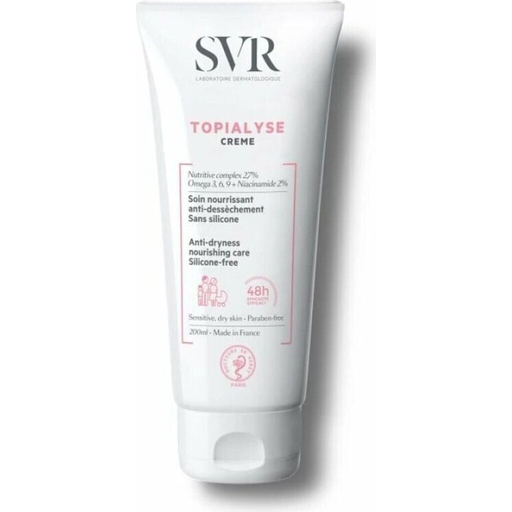
Why this product suits this profile: According to the product description, this 200 ml cream is suitable for the face and body and can be used once or twice a day on healthy skin.
The product information clearly states where and how often to use it. If you’re sensitive to fragrance, take note of the fragrance ingredient it contains.
Generous size, rich texture, plus glycerin, shea butter and plant oils, according to the product information.
We’ve put together a complete, regularly updated list of products that meet these strict selection criteria and fully comply with the safety regulations in force in the EU.
Start with a small number of products in the morning and evening:
Introduce new products one at a time. This makes it easier to judge whether your skin tolerates each formula. Cosmetic facial skincare is no substitute for a dermatological assessment if you have chronic skin problems, severe symptoms or recurring inflammation.
A gentle cleansing milk, mild gel or non-stripping cleansing cream may be suitable. What matters is the specific ingredients and how your skin feels after washing. If your skin feels tight or stings, it may be time to review your routine.
A simple routine with gentle cleansing and regular moisturising can help support the skin barrier day to day. Ingredients such as glycerin, ceramides, panthenol or squalane are often used in these formulas. However, what suits your skin is individual.
Try a new product for a few days to a few weeks, as long as it doesn’t cause irritation. Stop using it immediately if you notice redness, swelling, itching or stinging. Check the jar or packaging symbol for how long the product lasts after opening.