
Lieferung heute & morgen

Qualitätsgarantie

Willkommens-Angebote freischalten: KOSTENLOSE Lieferung | Bis zu 80 % RABATT | Kostenlose 30-Tage-JoyPlus-Testphase
App herunterladen
Dry cheeks, tightness after cleansing or skin that quickly reacts to new products with redness: when it comes to facial skincare, it is not the boldest marketing claim that matters, but the right combination of cleansing, hydration and tolerability. Korean facial skincare in particular often focuses on several light layers of care – from facial toner and hydrating serum to cream.
To avoid making the wrong choice, it is worth looking at the formulation, how to use it and the type of product. Our recommendations are based on clear product features and different everyday needs.
Terms such as “glowy skin”, “Glass Skin” or “intensive hydration” often describe the desired appearance of the skin, but do not automatically reveal the actual formulation. A glossy finish can be created by humectants, oils, film-forming agents or simply the texture itself. The ingredients list is therefore key: Glycerin, Hyaluronic Acid, Sodium Hyaluronate, Panthenol and Betaine are typical hydrating ingredients.
Niacinamide, vitamin C derivatives, plant extracts and acids can all be interesting additions to a skincare routine. However, if several new products are introduced at the same time, it becomes difficult to tell which one the skin does not tolerate. For sensitive skin, introducing products gradually makes sense. Before applying a product over a larger area for the first time, a patch test on a small area of skin is recommended.
A body lotion may be useful for dry arms or legs, but it is not automatically suitable as a facial moisturiser. Body products often contain richer ingredients, fragrances or a different texture. If you are looking for facial skincare, check the stated intended use and review the INCI list.
For skincare for dry skin, a combination of humectants and skin-conditioning lipids is beneficial. Glycerin and hyaluronic acid bind water in the upper layers of the skin. Squalane, plant oils and certain emollients can also help create a soft, supple feel.
A hydrating serum is usually lighter than a cream and works well as an additional layer. A facial moisturiser can then provide the final nourishing step. For oily or blemish-prone skin, a lightweight lotion may feel more comfortable than a rich cream.
Ceramide skincare is appealing to people who want to focus their routine on supporting the skin barrier. Ceramides are components of skin lipids. Product formulations may contain ceramides such as Ceramide NP, AP, AS, NS or EOP. Cholesterol and phytosphingosine are also used alongside ceramides in some formulations.
The term “barrier protection” should not be confused with medical treatment. If symptoms persist or you experience inflammatory skin changes or severe irritation, seek medical advice.
A lightweight milk, a watery facial toner or a rich lotion will suit different preferences. When choosing skincare for sensitive skin, it is worth checking fragrances and fragrance allergens that must be declared. Claims such as “vegan”, “alcohol-free” or “non-comedogenic” should always be checked against the current packaging information.
The product volume also matters: 150 ml of toner is suitable for a regular daily routine, while a 30 ml serum is designed to be used more selectively and sparingly. The current INCI list on the packaging is decisive, as formulations may be updated.
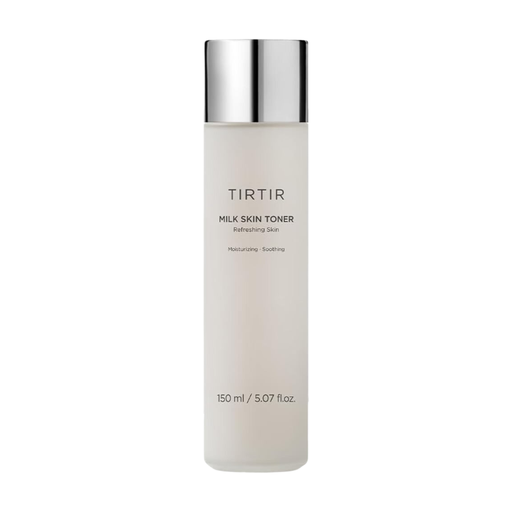
Why this product suits this profile: The milky toner texture complements a simple routine after cleansing and can be used under serum or cream. Rice extract, panthenol and niacinamide are included in the stated formulation.
The product description highlights specific ingredients and a lightweight consistency rather than promising only a visual result.
150 ml contents, a milky texture, plus Ceramide NP, Panthenol and Sodium Hyaluronate according to the product information.
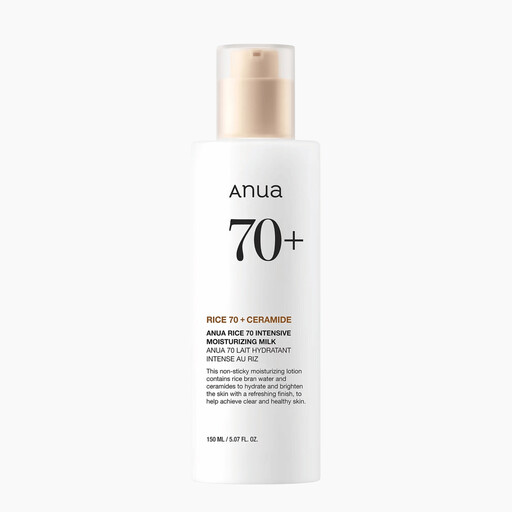
Why this product suits this profile: The combination of rice bran water, several ceramides, squalane, ectoin and hyaluronic acid is designed for people who prefer a layered yet lightweight facial skincare routine.
The choice is based not just on the word “glow”, but on the stated INCI featuring ceramides and several hydrating ingredients.
150 ml contents, several listed ceramides and a fast-absorbing milk texture according to the product description.
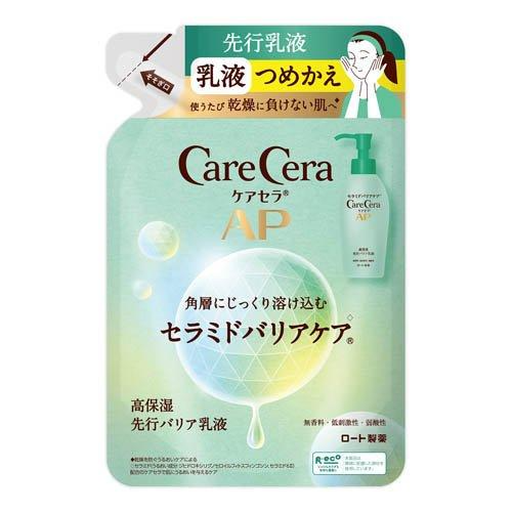
Why this product suits this profile: The refill pack is ideal for regular users looking for a Japanese lotion focused on ceramides and a fragrance-free formulation.
The product information specifies a mildly acidic formulation and no fragrances, parabens, alcohol or ethanol.
130 ml refill format and eight stated ceramide types according to the manufacturer’s information.
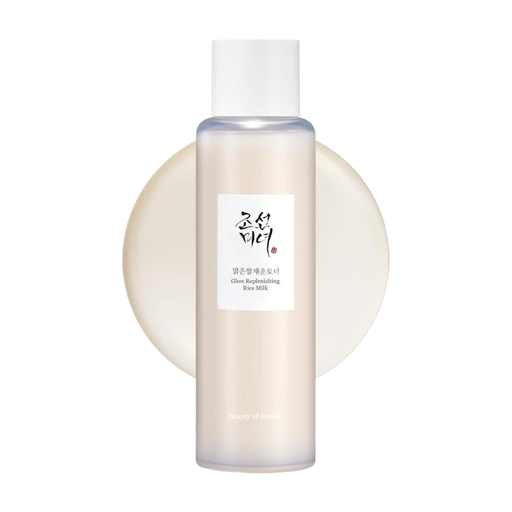
Why this product suits this profile: The rice milk toner can be applied with your hands or a cotton pad after cleansing and suits minimalist Korean skincare routines.
The lightweight texture and manageable ingredients list make it easier to assess than products with a long list of active-ingredient claims.
150 ml contents, rice extract, glycerin, panthenol and sodium hyaluronate according to the product information.
New products should be introduced one at a time. If you experience burning, itching, redness or swelling, stop using the product and seek medical advice if necessary. Avoid the eye area and broken skin unless the packaging states otherwise.
A fixed waiting time is usually not necessary. Toner, serum and cream can be applied one after another as soon as the previous layer has been largely spread over the skin. However, applying too many layers can cause products to pill or feel sticky.
A simple routine with as few new products as possible is a sensible approach. Fragrances, essential oils and a large number of plant extracts may cause problems for some people. The current ingredients list and a patch test can help with pre-selection, but they are not a substitute for individual dermatological advice.
The cost depends on the product volume, brand and size of your routine. Basic skincare may consist of a cleanser, moisturising product and sun protection. Toner and serum are optional additions. If you buy regularly, you should also consider the product volume, recommended amount to use and period after opening.