
Lieferung heute & morgen

Qualitätsgarantie

Willkommens-Angebote freischalten: KOSTENLOSE Lieferung | Bis zu 80 % RABATT | Kostenlose 30-Tage-JoyPlus-Testphase
App herunterladen
A facial sun cream SPF 50 should provide reliable protection, feel comfortable on the skin and fit easily into your daily skincare routine. However, product claims such as “invisible”, “water-resistant” or “for all skin types” do not automatically lead to the right purchase decision. The key factors are the labelling, texture, conditions of use and your own skin.
As a Joybuy Product Recommendation Officer, I assess the most important information objectively and show which products may suit different usage profiles.
The SPF or sun protection factor mainly describes protection against UVB radiation, which is associated with sunburn. For everyday use, clearly stated UVA protection is also important. Look out for indications such as “UVA” in a circle, “Broad Spectrum” or, in the case of Korean sun cream, PA++++.
PA++++ is an Asian labelling system for a high level of UVA protection. It cannot be directly converted into the European UVA rating. A high SPF alone therefore does not tell you everything about the protection spectrum.
A water-resistant sun cream can maintain its protective performance for longer in water or when you are sweating heavily than a formulation without this designation. Nevertheless, it is essential to reapply after swimming, drying yourself or sweating heavily. Friction from towels, clothing or exercise can also reduce the protective film.
A sun cream without a white cast may be visually easier to spread. However, that does not automatically mean it is suitable for every skin type. Fragrances, alcohol, essential oils or certain UV filters may be relevant for people with sensitive skin. Always check the complete INCI list and test new products on a small area of skin first.
For the face, a facial sun cream SPF 50+ with stated UVA and UVB protection is generally suitable for regular sun exposure. The level of protection stated on the packaging assumes that enough product is applied evenly. A very thin layer that feels more comfortable reduces the practical level of protection.
Apply the sun cream as the final step of your morning skincare routine to your face, ears, neck and, where applicable, décolletage. It should be reapplied regularly during prolonged exposure. Make-up, sweat and friction all affect how long the protective film lasts.
A sun stick SPF 50 is compact and allows you to reapply without direct contact with your hands. To create an adequate layer of protection, it must be moved over the skin several times and applied evenly. A sun spray SPF 50 is suitable for the body, neck or hard-to-reach areas. On the face, do not spray it directly onto the skin: dispense the product into your palms first and then apply it. Aerosols should also be kept away from flames and used only in well-ventilated areas.
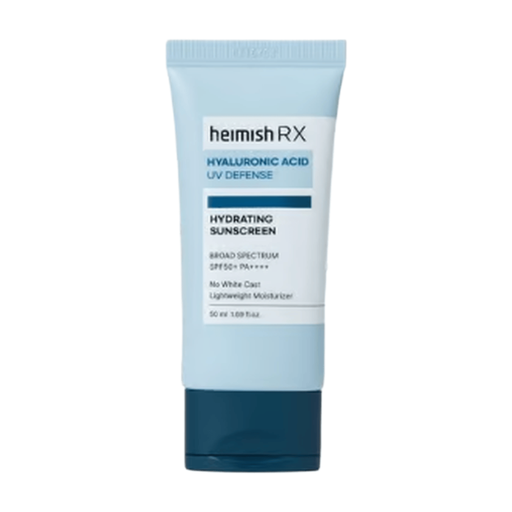
Why this product suits this profile: The 50-ml formulation combines SPF50+ and PA++++ with a watery lotion texture. According to the product information, it contains hyaluronic acid and is designed for use under make-up.
The clear protection labelling prevents you from making your choice based solely on the SPF value. The product description also highlights UVA protection and a transparent finish.
SPF50+ PA++++, 50 ml, watery lotion and, according to the product information, no white cast.
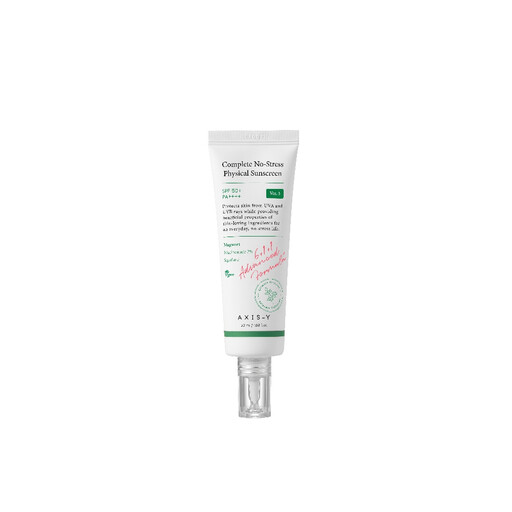
Why this product suits this profile: According to the product information, the mineral formulation is based on zinc oxide and is labelled SPF50 PA++++. It is aimed at people looking for a fragrance-free, vegan and mineral sun cream for the face.
The type of filter is clearly stated. This allows you to focus your choice specifically on mineral sun protection and a formulation without added fragrance.
Zinc oxide as a UV filter, SPF50 PA++++, 50 ml, plus ingredients such as glycerine, squalane and sodium hyaluronate.
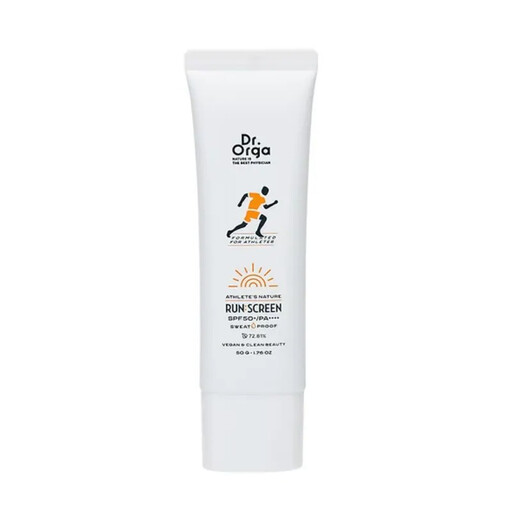
Why this product suits this profile: The product information describes a sweat-resistant formulation for runners and outdoor activities. Centella asiatica and aloe vera extracts are also listed.
Its intended use during sport and when sweating is stated explicitly. Nevertheless, it is still necessary to reapply after sweating, swimming or drying yourself.
SPF50+ PA++++, 50 ml, sweat-resistant according to the product information, with organic and inorganic UV filters.
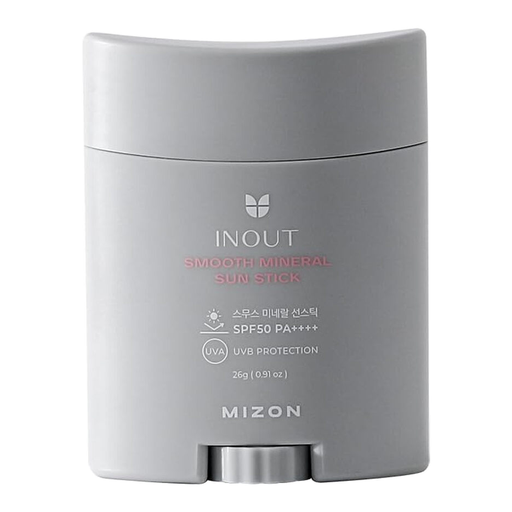
Why this product suits this profile: The compact SPF 50 sun stick is designed for reapplication to the face and body. According to the product information, it contains zinc oxide, hyaluronic acid and shea butter.
The stick format makes application on the go easier. However, to apply enough product, it must be spread generously and evenly over the skin several times.
SPF 50, PA++++, 26 g, mineral filter and, according to the product information, a fragrance-free vegan formulation.
We have put together a complete, regularly updated list of products that fully meet these strict selection criteria and the safety regulations applicable in the EU.
Apply a facial sun cream SPF 50 before leaving home wherever possible. If you are spending a long time outdoors, reapplying regularly is advisable, particularly after contact with water, exercise or drying yourself. If you have sensitive skin, avoid damaged or irritated areas and stop using the product if you experience burning, itching or redness.
Store sun cream away from direct sunlight and excessive heat. You will find the exact best-before date, batch number and recommended period of use after opening on the packaging. Do not continue using the product if its colour, smell or consistency has changed.
This depends on your skin type, the season, where you are and your UV exposure. Anyone who regularly spends time outdoors, plays sport or is prone to pigmented areas of skin may choose a facial sun cream SPF 50. Applying enough product evenly and reapplying remain important.
During prolonged sun exposure, reapplication approximately every two hours is often recommended. After swimming, heavy sweating or drying yourself, the protective layer should be renewed sooner. The specific instructions for the product in question should always be followed.
A cream is generally suitable as the first, even layer in the morning. A sun stick is practical for use on the go, while sun spray SPF 50 can cover the body, neck or hard-to-reach areas. A stick or spray does not automatically replace the careful initial application of a facial cream.