
Lieferung heute & morgen

Qualitätsgarantie

Willkommens-Angebote freischalten: KOSTENLOSE Lieferung | Bis zu 80 % RABATT | Kostenlose 30-Tage-JoyPlus-Testphase
App herunterladen
A facial sun cream SPF 50 should provide reliable everyday protection, feel comfortable on the skin and suit your individual skin type. With sensitive, dry, reddened or blemish-prone skin in particular, however, it is not just the number on the packaging that matters. Texture, filters, fragrance, alcohol, finish and correct application all influence whether you will use a product consistently.
The SPF value mainly describes UVB protection, which is associated with sunburn. For everyday use, clearly indicated UVA protection is also important. Look for markings such as “UVA” in a circle, “broad spectrum” or, for Korean products, PA++++. These labels are not completely equivalent, but they provide useful guidance.
Even a high sun protection factor does not allow unlimited time in the sun. Seeking shade, wearing clothing and a sun hat, and avoiding intense midday sun are still sensible precautions.
A sun cream for sensitive skin may still contain individual ingredients that not everyone tolerates well. These can include perfume, essential oils or ethanol, for example. If your skin is reactive or prone to redness, it is therefore worth checking the INCI list.
According to the product information, KOSÉ Sunscreen Isolation Cream contains fragrance and ethanol, among other ingredients. For people with sensitive skin, an unfragranced alternative may therefore be the more suitable choice. If you already have skin problems, cosmetics are not a substitute for dermatological advice.
A lightweight sun lotion or non-greasy sun cream feels comfortable on the skin. However, applying too little significantly reduces the level of protection actually achieved. For the face and neck, the so-called two-finger rule is often used as a practical guide: apply enough product to fill the length of two fingers for the face and neck. The exact amount should also follow the instructions on the packaging.
For daily facial care, SPF 50 or SPF 50+ is a suitable product category when very high protection is desired. Also check whether the product explicitly states its UVA protection. With prolonged sun exposure, heavy sweating or contact with water, reapplication is essential.
Important: The SPF 50+ label is not a licence to spend longer in the sun. Sun protection products reduce UV exposure, but they do not prevent it entirely.
For dry skin, glycerin, panthenol, hyaluronic acid or ceramides may suit your desired skincare routine. If you are looking for sun protection with Centella, you will find products containing Centella Asiatica, also known as Cica. References to Centella, niacinamide or botanical extracts describe the formulation; they are not a promise of medical efficacy.
New products should initially be tested on a small area of skin. Discontinue use if burning, persistent redness or itching occurs.
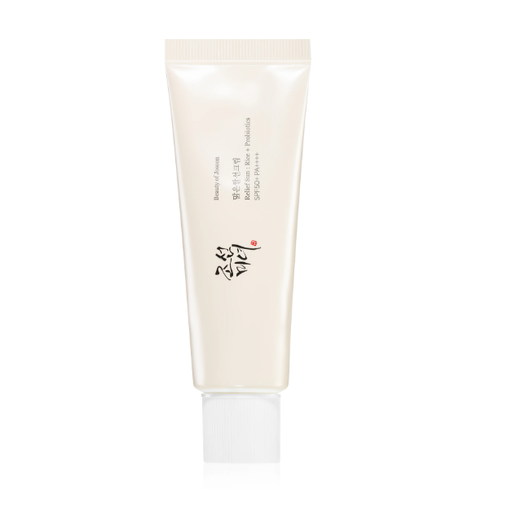
Why this product suits this profile: The creamy yet lightweight texture will appeal to anyone looking for a moisturising sun cream as the final step in their skincare routine, without wanting a heavy feel on the skin.
The product information states SPF 50+ and PA++++, along with a non-sticky, buildable texture. This makes it easier to incorporate the necessary amount into your morning routine.
30% rice extract according to the product description, fermented extracts and a consistency designed for application in multiple layers.
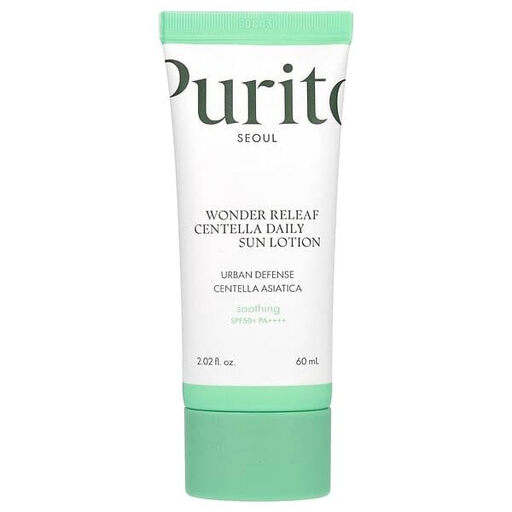
Why this product suits this profile: The lotion-like formulation is aimed at people who want to combine lightweight UVA and UVB protection with moisturising care and Centella.
The product information does not list common fragrance allergens. Even so, check the current INCI list on the packaging before buying.
Centella Asiatica extract at 30,108 ppm according to the product description, together with several hyaluronic acid derivatives.
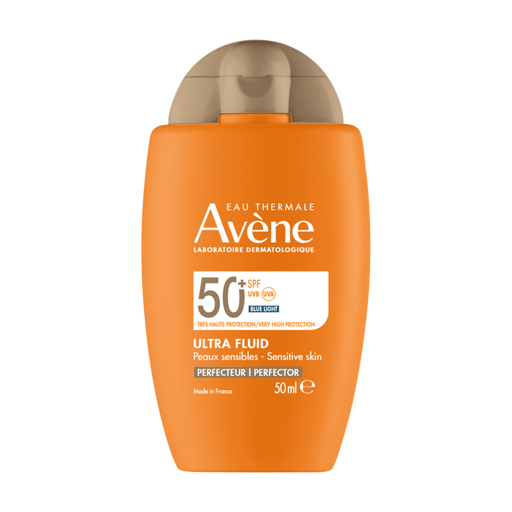
Why this product suits this profile: The ultra-fluid tinted sun cream is ideal for people who want to combine daily facial protection with a subtle, natural finish.
The product description specifically points out that the universal tint may look different depending on your skin tone and undertone. Testing it along the jawline is therefore advisable.
SPF 50+, UVA/UVB protection, a water-resistant formulation and a subtle colour-correcting effect without foundation-level coverage.
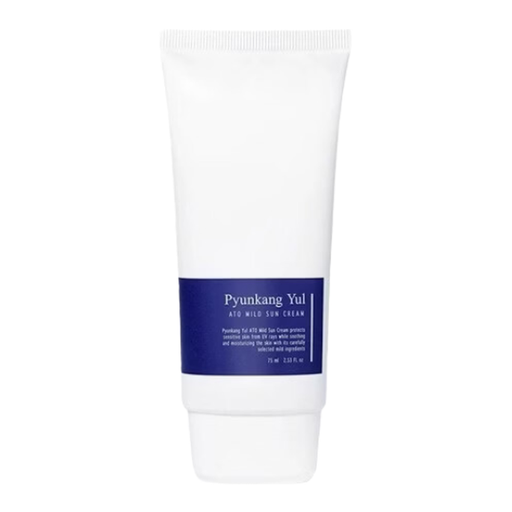
Why this product suits this profile: According to the product description, the ATO range is designed for sensitive, dry and atopic-prone skin. The lightweight texture is intended for everyday use.
The description highlights a lightweight, non-greasy consistency and reduced white residue. The full INCI list should be checked on the packaging before buying.
SPF 50 PA++++ according to the product information, with a focus on dry, sensitive or atopic-prone skin.
We have put together a complete, regularly updated list of products that fully meet these strict selection criteria and the safety regulations applicable in the EU.
Use an adequate amount according to the instructions on the packaging. As a practical guide, the two-finger rule is often used for the face and neck. Applying too thin a layer may mean you do not achieve the stated SPF in full.
The best-before date and the PAO symbol on the packaging are the key references. For example, “12M” means twelve months after opening. If the smell, colour or consistency changes, stop using the product.
A Korean sun cream can be suitable for sensitive skin if its texture and INCI list meet your individual needs. In particular, check for fragrance, alcohol, stated UVA protection and the manufacturer’s guidance. If you have a known intolerance, a patch test beforehand is advisable.