
Lieferung heute & morgen

Qualitätsgarantie

Willkommens-Angebote freischalten: KOSTENLOSE Lieferung | Bis zu 80 % RABATT | Kostenlose 30-Tage-JoyPlus-Testphase
App herunterladen
A facial sun cream SPF 50 is part of many people’s daily morning routine. Even so, choosing the right product is not always easy: some formulas look shiny under make-up, while others leave a visible film or feel sticky after a short time. A high sun protection factor alone also says little about whether a product suits your skin type, desired finish and daily routine.
The SPF rating mainly describes protection against UVB rays, which can cause sunburn, among other effects. For everyday use, clearly stated UVA protection is also important. Korean and Asian sun care products often use the PA++++ rating for this purpose. Under the relevant assessment system, it indicates a high level of UVA protection.
A sun cream with SPF 50 or SPF 50+ does not make prolonged, unprotected exposure to the sun safe. Shade, clothing and avoiding intense midday sunshine remain important additional precautions.
A watery texture may absorb pleasantly quickly, but depending on the formulation, it may contain alcohol, fragrance or certain filters that not every skin type tolerates equally well. If you have sensitive skin, check the full INCI list and test a new product on a small area of skin first.
For dry skin, a moisturising sun cream containing glycerin, panthenol, hyaluronic acid or similar humectants may be a good choice. Combination and blemish-prone skin often benefits from lightweight gel, fluid or essence textures instead. However, a formula advertised as non-comedogenic is no guarantee that individual blemishes will not occur.
The most common application mistake is not choosing the wrong brand, but applying too little product. The two-finger rule is often used as a practical guide for the face and neck. The exact amount needed depends on the product, packaging and application method.
Sun cream should be applied as the final step in your skincare routine. Allow it to absorb briefly before applying make-up. Reapplication is necessary when outdoors, after sweating, swimming or drying yourself. A sun protection cushion can be convenient for this, but it does not automatically replace applying a sufficient base amount in the morning.
Look for SPF 50 or SPF 50+ and a clear UVA rating. PA++++ is common among many Korean and Japanese products. For sport, the beach or longer periods outdoors, information about water and sweat resistance is relevant. These properties may not be essential for every everyday situation, but they can make a practical difference if you often reapply sun cream outdoors.
Read the INCI list directly on the packaging, as formulations can change. Fragrance, alcohol or individual UV filters may be relevant for some people. If you have sensitive, irritated or allergy-prone skin, choose particularly carefully and seek dermatological advice if symptoms persist.
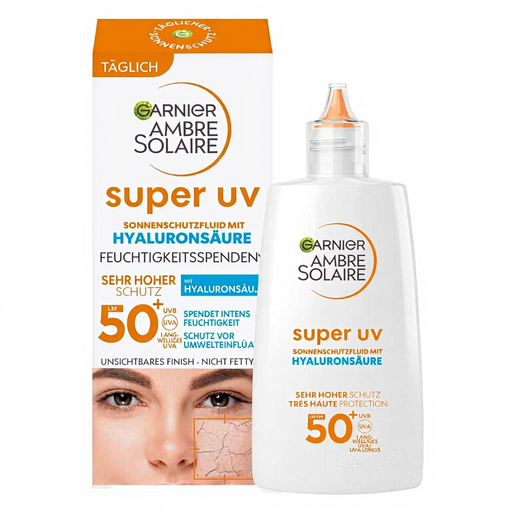
Why this product suits this profile: This fluid is ideal for anyone looking for compact facial care with a lightweight, matt and invisible finish for everyday use.
The fluid consistency reduces the risk of a heavy feel on the skin. However, the INCI list should be checked before purchase because it contains Alcohol Denat.
SPF 50+, hyaluronic acid according to the product description, plus a non-greasy texture designed for use under make-up.
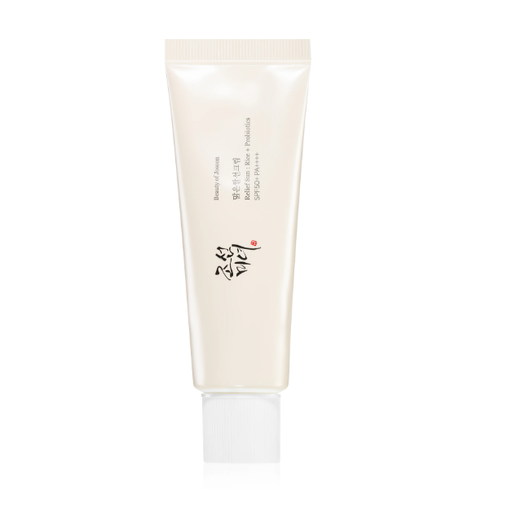
Why this product suits this profile: The creamy yet lightweight texture is designed for users who want to combine hydration, a clear-looking complexion and comfortable layering.
The product description states that it has a lightweight, non-sticky texture and a finish without visible white cast. Suitability should still be assessed individually.
SPF 50+ PA++++, plus rice extract and fermented ingredients according to the product information; 50 ml for daily facial use.
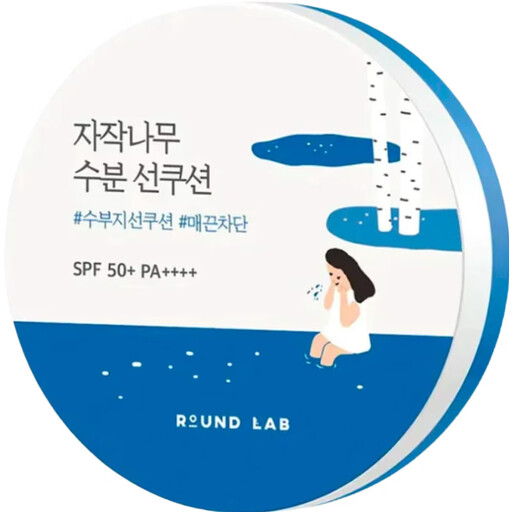
Why this product suits this profile: The cushion format is ideal for use on the go, quick top-ups and anyone who prefers a handy application format.
The format makes reapplication easier, but does not solve the problem of applying the right amount. A traditional sun cream is usually easier to control for the first application.
SPF 50+ PA++++, a puff applicator, plus birch water, hyaluronic acid and plant-based ingredients according to the product description.
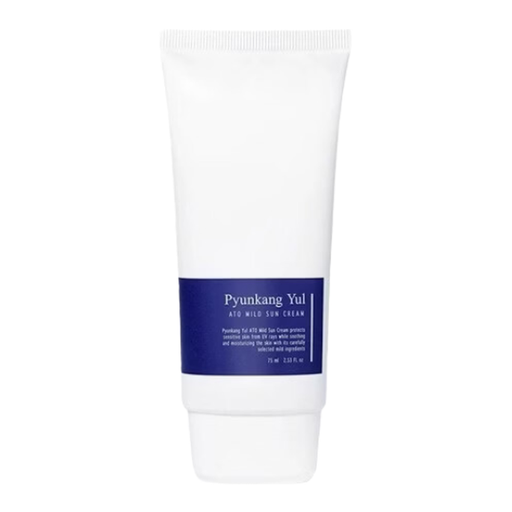
Why this product suits this profile: This product range is designed for gentle use on dry, sensitive or atopic-prone skin.
The product description states that it has a lightweight, non-greasy texture and reduced white cast. The current INCI list on the packaging is decisive when assessing individual suitability.
SPF 50 PA++++, 75 ml and an ATO product range designed for sensitive skin.
We have put together a complete, regularly updated list of products that fully meet these strict selection criteria and the safety regulations applicable in the EU.
Apply sun cream after cleansing and moisturising, as the final step in your routine. When trying a new Korean sun cream or another facial sun protection product with SPF 50+, a brief patch test is recommended. Make sure the formula is spread evenly not only on your hand but also across your face.
Avoid direct contact with sensitive eye areas. If redness, stinging, itching or swelling occurs, stop using the product and seek medical advice if necessary. You will find the expiry date, batch number and PAO symbol on the packaging.
The two-finger rule is a practical guide for the face and neck. The important thing is to apply an even, generous layer. If you are outdoors for longer periods, reapply regularly.
Yes, as long as the texture absorbs evenly and does not pill when layered with your skincare or foundation. Watery fluids, lightweight essences and some tinted sun protection products are often suitable for this purpose. Test the combination before an important occasion.
The printed best-before date and the open-jar symbol, such as “12M”, are the key indicators. Heat, direct sunlight and frequently leaving the product open can affect its properties. Store your sun cream in a cool, dry place and keep it tightly closed.