
Lieferung heute & morgen

Qualitätsgarantie

Willkommens-Angebote freischalten: KOSTENLOSE Lieferung | Bis zu 80 % RABATT | Kostenlose 30-Tage-JoyPlus-Testphase
App herunterladen
The search for the right facial sunscreen can quickly feel like navigating a maze of marketing promises. Products tout ever-higher SPFs and exotic ingredients, but these exaggerated claims often lead to disappointment and wasted money. As your Joybuy Product Recommendation Officer, I'm here to help you separate fact from fiction and make an informed decision.
Many users invest in a product only to find it leaves a white cast, pills under makeup, or causes breakouts. Before you let another tube sit unused in your cabinet, let's shed light on the three most common pitfalls when buying facial sunscreen:
To avoid making a bad buy, you should focus on objective and verifiable criteria. These three parameters are crucial for the effectiveness and daily wearability of a facial sunscreen.
The choice of filter system directly impacts the feel on your skin and its compatibility.
A good sunscreen must protect against both types of harmful UV radiation.
The texture determines whether you'll enjoy using your sunscreen and, therefore, apply it regularly. Modern products are more than just UV protection; they are an integral part of your skincare routine.
Instead of making a one-size-fits-all recommendation, we have identified products that meet specific needs and avoid the pitfalls mentioned earlier.

Why This Fits Their Persona: Ideal for anyone looking for a reliable, nourishing, and invisible sunscreen for everyday use. The creamy yet lightweight texture absorbs quickly and works wonderfully on its own or as a base under makeup.
It sidesteps the "texture ignorance" trap with a hydrating but non-greasy formulation that feels like a lightweight day cream, encouraging daily application.
Combines high broad-spectrum protection (SPF50+ PA++++) with nourishing ingredients like rice extract and probiotics. Leaves no white cast or greasy shine.
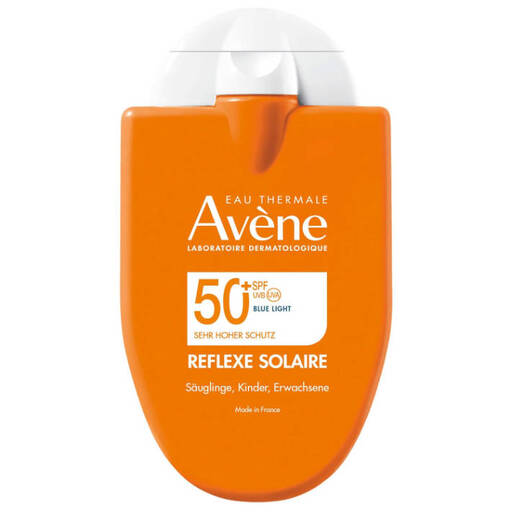
Why This Fits Their Persona: Designed for individuals with very sensitive skin who need a minimalist yet highly effective formula. Its flat, pocket-friendly format is also practical for on-the-go use.
Avoids the trap of potential irritation from fragrances and complex formulations. The fragrance-free formula focuses on the essentials: high, well-tolerated protection.
Offers very high SPF 50+ protection in a lightweight, non-irritating formula. Contains skin-soothing Avène Thermal Water and is suitable for face and body.
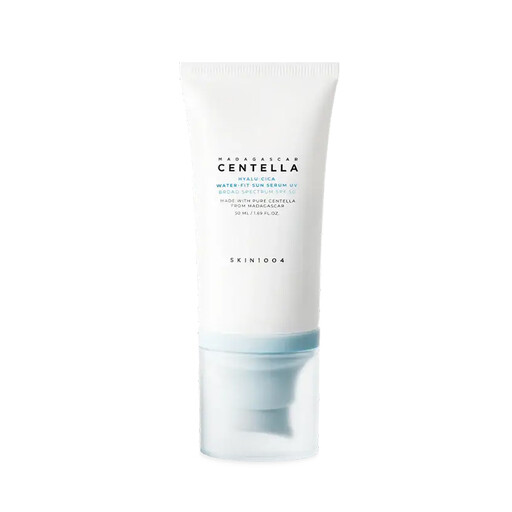
Why This Fits Their Persona: Perfect for skincare lovers looking for a multifunctional product. This sun serum combines high UV protection with intense hydration, leaving a fresh, radiant finish.
Completely solves the problem of thick, white-casting creams. The ultra-light serum texture is a prime example of modern Korean sunscreen that integrates seamlessly into the skin.
A hydrating sun care product with hyaluronic acid and Centella Asiatica. The formula offers a serum-like feel and a subtle glow without being sticky.
We have compiled a complete, up-to-date list of products that fully meet these strict selection criteria and German safety regulations.
1. How much sunscreen should I use on my face? A common and practical guideline is the two-finger rule: Dispense a line of sunscreen onto your index and middle fingers. This amount is generally sufficient for the face and neck to achieve the sun protection factor stated on the packaging. Applying too little significantly reduces protection.
2. Can sunscreen expire, and is it still effective? Yes, sunscreen products have an expiration date. After this date, the effectiveness of the UV filters can no longer be guaranteed. Also, look for the PAO (Period After Opening) symbol, a small jar icon with a number (e.g., "12M"), which indicates how many months the product is good for after opening. An expired product should be discarded.
3. Mineral or chemical sunscreen—which is the right choice for me? This depends on your skin type and preferences.