
Lieferung heute & morgen

Qualitätsgarantie

Willkommens-Angebote freischalten: KOSTENLOSE Lieferung | Bis zu 80 % RABATT | Kostenlose 30-Tage-JoyPlus-Testphase
App herunterladen
Finding the right facial sunscreen can quickly feel like an impossible task. The market is flooded with products promising instant perfection, yet too often, a purchase ends in disappointment, leaving another unused product in your bathroom cabinet. Many formulations fail to deliver on their claims, leading to skin issues instead of protection. Before you make another purchase you'll regret, let's break down the most common pitfalls.
Effective facial sun protection doesn't have to be complicated. It's about understanding the key features and learning to distinguish marketing hype from proven performance.
To make an informed decision, you should focus on three core parameters. These will help you find a product that truly meets your skin's needs.
The choice of UV filter is fundamental. There are two main types that work differently:
Comprehensive facial sun protection must shield against both types of UV rays.
A sunscreen's base formulation is just as important as its filters. Look for ingredients tailored to your skin type:
Based on these objective criteria, we have identified several products suited for specific user profiles.
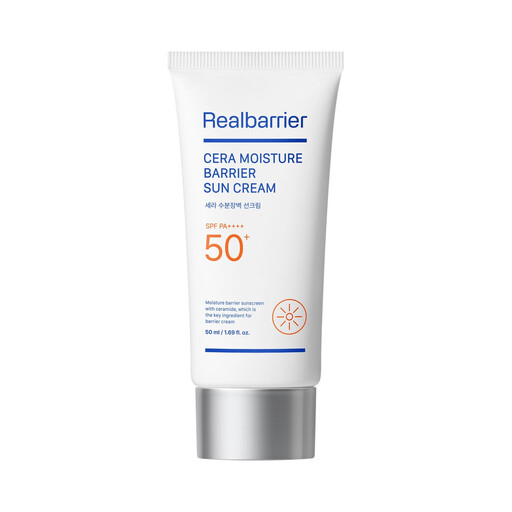
Why This Fits Their Persona: Ideal for those whose skin feels tight and reacts sensitively to external factors. The formula combines high protection with intensive care to strengthen the skin barrier and provide all-day moisture.
Instead of an empty "all-in-one" promise, it delivers targeted moisture through a complex of 10 types of hyaluronic acid and ceramides. The lightweight texture absorbs quickly, avoiding a greasy film.
The patented MLE technology strengthens the skin barrier. Panthenol provides additional soothing, while the formula leaves no white cast.
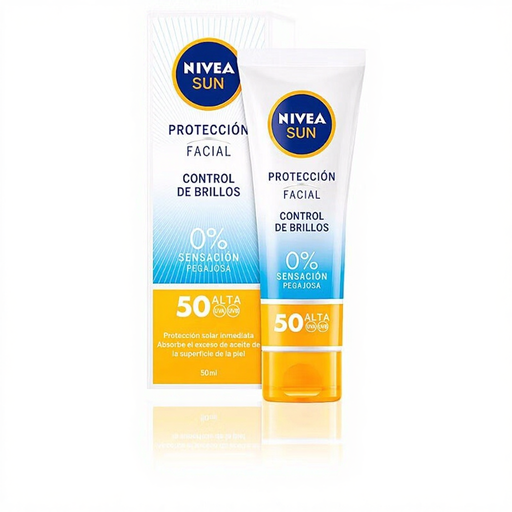
Why This Fits Their Persona: Perfect for anyone who struggles with a shiny T-zone throughout the day. This sunscreen is specifically designed to regulate sebum production and leave a matte finish that lasts, even under makeup.
It directly tackles the pitfall of a heavy, greasy texture. The formula is non-comedogenic and designed to instantly absorb excess shine rather than clogging pores.
Contains tapioca starch for a proven mattifying effect. The lightweight formula absorbs quickly and leaves a pleasant, non-sticky feel on the skin.
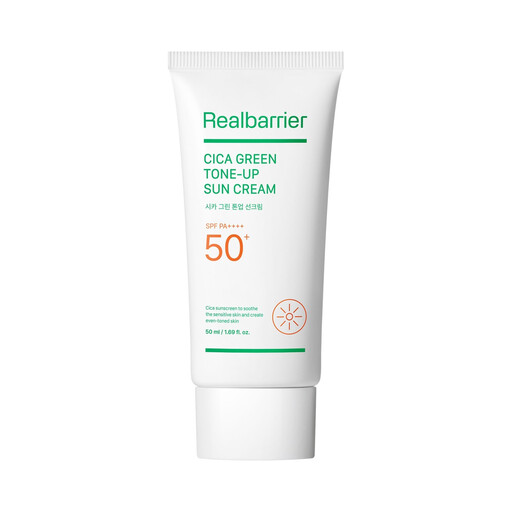
Why This Fits Their Persona: For users who are not only looking for sun protection but also want to conceal redness and soothe their skin. This tinted sunscreen uses colour-correcting principles to create an even complexion.
Instead of leaving a white cast, it uses a subtle green tint to actively neutralise redness. It is a specialised product that combines skincare (Cica) and function (colour correction) rather than being a vague all-in-one product.
Contains Centella Asiatica (Cica) extract to soothe irritation. The lightweight, non-sticky formula provides a natural finish.
We have compiled a complete, real-time list of products that fully satisfy these strict selection criteria and UK safety regulations.
A common guideline is the "two-finger rule." Apply a strip of sunscreen to your index and middle fingers. This amount is generally sufficient for the face and neck to achieve the sun protection factor stated on the packaging. Applying too little significantly reduces protection.
While technically possible, it is not recommended. Facial sunscreens are specifically formulated for the more delicate and often blemish-prone skin on the face. They are typically lighter, non-comedogenic, and absorb better. Body lotions can be too heavy and may clog pores.
Yes, absolutely. Up to 80% of UVA rays, which are responsible for skin ageing, penetrate through clouds and glass. Therefore, daily facial sun protection is the most important year-round measure to protect the skin from premature ageing and long-term damage.