
Lieferung heute & morgen

Qualitätsgarantie

Willkommens-Angebote freischalten: KOSTENLOSE Lieferung | Bis zu 80 % RABATT | Kostenlose 30-Tage-JoyPlus-Testphase
App herunterladen
The search for the right facial sunscreen can quickly feel overwhelming. Countless products promise high protection, but often leave behind a sticky film, an unsightly white cast, or even new blemishes. As your Joybuy Product Recommendation Officer, I'm here to help you distinguish crucial criteria from mere marketing promises and find a sunscreen that truly meets your skin's needs.
Before we dive into the key features, let's clear up three common misconceptions that often lead to the wrong product choice.
To make an informed decision, focus on these three objective parameters. They are the key to effective and comfortable sun protection.
Not all UV radiation is the same. For comprehensive protection, your skin needs a defense against both types:
Look for the UVA symbol (UVA in a circle) on the packaging. This EU-wide seal guarantees that the UVA protection is at least one-third of the stated SPF. Only products with this seal offer reliable UVA and UVB protection.
The best sunscreen is the one you enjoy using every day. Texture is crucial for this.
A modern sunscreen with no white cast is now standard for both chemical and many mineral filters.
Modern sunscreens are more than just UV protection. They can specifically address skin concerns.
Here are some product suggestions that are well-suited for specific user profiles based on their formulation and features.
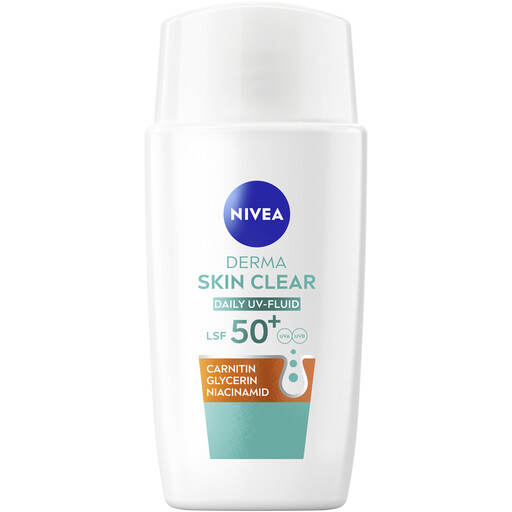
Why it's a match: This sunscreen was specifically developed for blemish-prone skin. The ultra-light fluid texture absorbs instantly and leaves no greasy film, making it ideal for daily use, even under makeup.
It directly addresses the "non-comedogenic" trap with a formula containing salicylic acid and niacinamide to control blemishes and prevent clogged pores.
According to the manufacturer, it provides an 8-hour mattifying effect that visibly reduces oily shine.
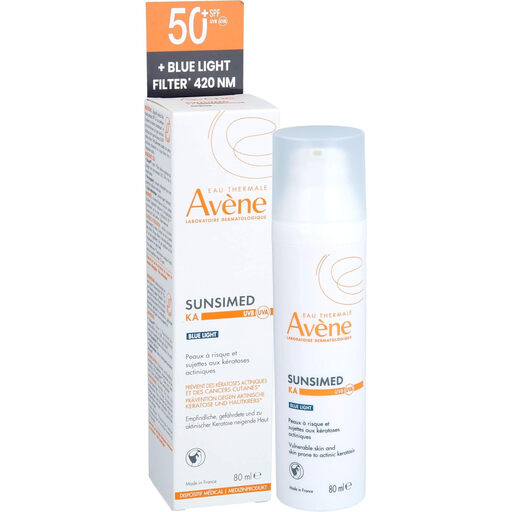
Why it's a match: This product is designed as a medical device and offers very high protection (SPF 50+). It is formulated for skin prone to actinic keratosis, making it especially suitable for very sun-sensitive skin types that require maximum protection.
The fragrance-free formula with skin-soothing Avène Thermal Spring Water minimizes the risk of irritation, which is often a concern with high-performance sunscreens.
Provides protection against UV-induced DNA damage and is formulated for the prevention of precancerous lesions like actinic keratosis.
We've compiled a complete, up-to-date list of products that meet these strict selection criteria and current regulations.
To maintain the protection level indicated on the packaging, you should reapply sunscreen approximately every two hours. This is especially important after swimming, heavy sweating, or towel-drying, as these activities remove the protective film.
The UVA symbol in a circle is a standard seal in the EU. It confirms that the product's UVA protection is at least one-third of its stated Sun Protection Factor (SPF). Therefore, a sunscreen with SPF 30 and this seal has a UVA protection factor of at least 10. It is a key indicator of reliable broad-spectrum protection.
Yes, an unsuitable sunscreen can clog pores and trigger breakouts. To avoid this, individuals with acne-prone skin should look for oil-free, non-comedogenic formulations. Lightweight textures like fluids or gels are often more suitable than heavy creams. Products that also contain active ingredients like niacinamide or salicylic acid can even help prevent blemishes from forming.