
Lieferung heute & morgen

Qualitätsgarantie

Willkommens-Angebote freischalten: KOSTENLOSE Lieferung | Bis zu 80 % RABATT | Kostenlose 30-Tage-JoyPlus-Testphase
App herunterladen
A good facial sunscreen is the foundation of any skincare routine. Yet, the search for the right product can quickly become overwhelming. Many formulas feel sticky, leave an unsightly white cast, or don't sit well under makeup. Added to this are marketing claims that often confuse more than they help. As your Joybuy Product Recommendation Officer, I'll help you understand the key criteria and make an informed decision.
Before we get to the solutions, let's identify the typical problems that can lead to a purchase mistake.
To find the right sunscreen, you should focus on objective and verifiable characteristics. Three parameters are crucial.
The type of UV filter significantly determines the sunscreen's texture, feel, and tolerability.
Effective protection must shield the skin from the entire UV spectrum.
A sunscreen you enjoy applying daily must do more than just protect. The formulation is crucial for user-friendliness. Look for descriptions like lightweight texture, "non-greasy," or "absorbs quickly." Many modern products, especially Korean sunscreens, are formulated to double as a moisturising sunscreen, containing ingredients like hyaluronic acid, niacinamide, or soothing plant extracts. A tinted sunscreen can also gently even out the complexion and conceal redness.
Based on the criteria above, we have identified some products suitable for specific user profiles.
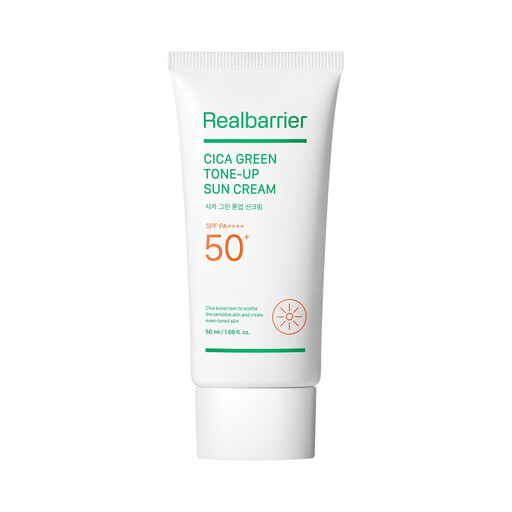
Why This Fits Their Persona: Ideal for individuals whose skin reacts quickly with redness. The formula combines high protection with skin-soothing ingredients and light colour correction, making it a practical all-in-one morning product.
Instead of an unwanted white cast, the cream offers a subtle green tint that visually neutralises redness, cleverly bypassing the whitening effect of mineral filters.
Contains Centella Asiatica (Cica) to soothe the skin. The patented MLE technology helps strengthen the skin barrier.
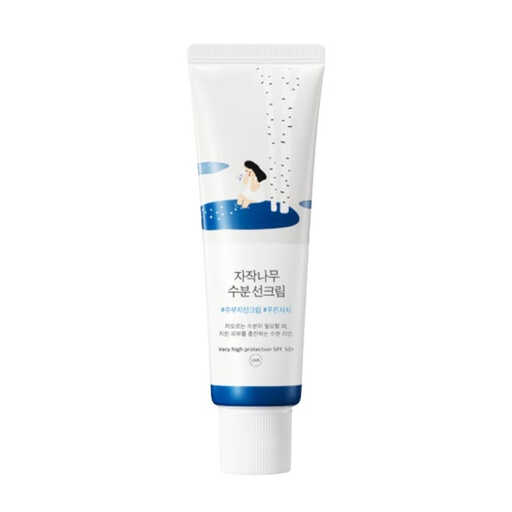
Why This Fits Their Persona: Perfect for anyone looking for a sunscreen that feels like a lightweight moisturiser. This Korean sunscreen is known for its serum-like consistency and its ability to intensely hydrate the skin without being sticky.
The chemical filters and modern formulation ensure a completely invisible application without a white cast. The texture is so light that it integrates seamlessly into any skincare routine.
Provides an intense moisture boost with birch sap and hyaluronic acid. The formula with niacinamide also supports a more even skin tone.
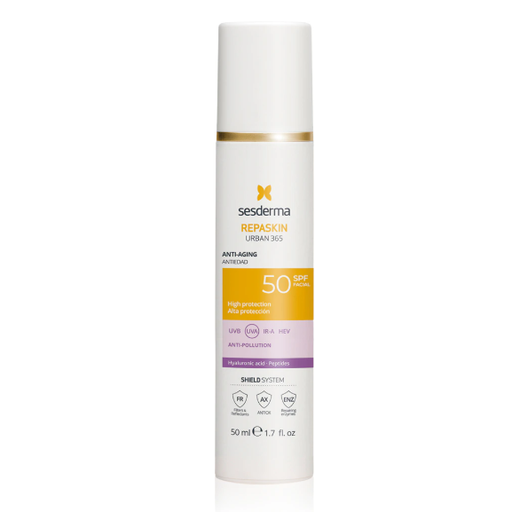
Why This Fits Their Persona: Designed for users seeking reliable daily protection against photoaging. The formulation is engineered not only to prevent sunburn but also to protect against the loss of elasticity and collagen.
This product goes beyond just SPF, explicitly focusing on protection from both UVA and UVB rays, which is crucial for an effective anti-ageing sunscreen.
According to the manufacturer, the formula is water-resistant and absorbs quickly. It provides moisture and protects the skin from environmental stressors.
We have compiled a complete, up-to-date list of products that meet these strict selection criteria and fully comply with German safety standards.
A common and practical method is the two-finger rule: Dispense a line of sunscreen onto your index and middle fingers. This amount is generally sufficient to completely cover your face and neck and to achieve the sun protection factor stated on the packaging.
Yes, year-round application is recommended. Up to 80% of UVA rays penetrate through clouds and glass. Since UVA radiation is a major contributor to skin ageing, daily protection is the most effective measure for maintaining long-term skin health.
That depends on your skin type. For those with oily or normal skin, a moisturising sunscreen may be sufficient in the morning. For dry or very dry skin, it is often beneficial to first apply a separate moisturiser and use the sunscreen as the final step before makeup.