
Lieferung heute & morgen

Qualitätsgarantie

Willkommens-Angebote freischalten: KOSTENLOSE Lieferung | Bis zu 80 % RABATT | Kostenlose 30-Tage-JoyPlus-Testphase
App herunterladen
Finding the right facial sunscreen can be a tricky process. Many products promise invisible protection but leave behind a greasy film or an unsightly white cast. Others, marketed as "for all skin types," can cause new breakouts on oily or acne-prone skin. The result is often an unused product in the bathroom cabinet and a continued search.
As your Joybuy Product Recommendation Officer, I'm here to help you avoid these common pitfalls. Instead of relying on marketing promises, we'll focus on the key features that make a facial sunscreen truly suitable for everyday use.
To make an informed decision, you should focus on objective parameters rather than advertising claims.
The Sun Protection Factor (SPF) indicates how well a sunscreen protects against UVB radiation, which is responsible for sunburn. For daily facial use, an SPF 50 facial sunscreen is often recommended to effectively protect the skin from photoaging.
Just as important is protection against UVA rays, which penetrate deeper into the skin and contribute to wrinkle formation. Look for the UVA symbol (a circle with "UVA" inside) on the packaging. This seal confirms that the UVA protection is at least one-third of the stated SPF, as recommended by the EU Commission.
The texture determines whether you'll enjoy using your sunscreen every day.
Here are some product recommendations tailored to specific user profiles and their needs.
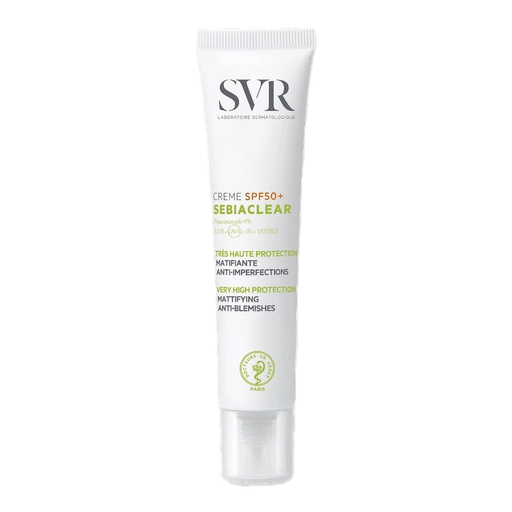
Why This Fits Their Persona: This cream is specifically designed for those who not only want high sun protection but also want to actively combat blemishes, shine, and clogged pores. It's a 2-in-1 solution for a daily skincare routine.
It bypasses the "one-size-fits-all" trap with a targeted formula containing niacinamide and salicylic acid, which are proven to regulate sebum production and reduce blemishes. It is explicitly non-comedogenic.
Combines high SPF50+ protection with skin-clarifying active ingredients and provides a long-lasting matte finish, making it ideal for daily use on oily skin.
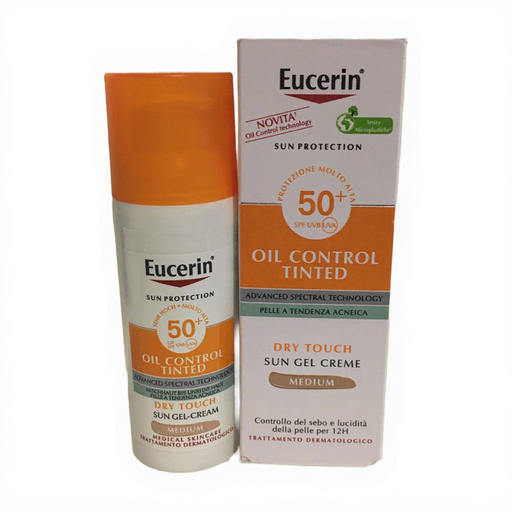
Why This Fits Their Persona: Perfect for individuals with combination to oily skin who want a reliable, mattifying sunscreen that also provides a more even complexion thanks to its light tint.
This tinted sunscreen solves the white cast problem of mineral filters by using pigments that adapt to the skin tone. The gel-cream texture prevents the greasy film that is an issue with many creams.
It offers high, purely physical broad-spectrum protection (SPF50+), actively controls shine, and is oil- and fragrance-free, making it suitable for sensitive skin types as well.
We've compiled a complete, up-to-date list of products that fully meet these strict selection criteria and adhere to rigorous safety standards.
A common guideline is the "two-finger rule": apply a line of sunscreen to your index and middle fingers. This amount is generally sufficient for the face and neck to achieve the SPF level stated on the packaging. Using too little significantly reduces protection.
Yes, year-round application is recommended. Up to 80% of UVA radiation, a major contributor to skin aging, penetrates through clouds and glass. Daily sun protection is therefore one of the most fundamental steps to maintain long-term skin health.
For a natural, everyday look, a tinted sunscreen can often replace a light foundation or BB cream. It evens out the complexion and conceals minor redness. However, the coverage is typically lighter than that of a classic foundation. For special occasions or to cover more significant blemishes, it can serve as a protective primer under your makeup.