
Lieferung heute & morgen

Qualitätsgarantie

Willkommens-Angebote freischalten: KOSTENLOSE Lieferung | Bis zu 80 % RABATT | Kostenlose 30-Tage-JoyPlus-Testphase
App herunterladen
The search for the ideal facial sunscreen often ends in disappointment. Many products promise lightweight textures and an invisible finish, but the reality is often quite different: a sticky film, an unsightly white cast, or makeup that slides off after just a few hours. These experiences can make essential daily sun protection feel like a tedious chore, leading many to neglect it altogether.
Before you buy another tube that ends up gathering dust in your cabinet, you should be aware of the most common pitfalls:
To make an informed decision, it's helpful to understand the technical properties of a facial sunscreen. Instead of being swayed by advertising claims, focus on the following three core parameters.
The texture of a sunscreen is largely determined by the type of UV filters used. Modern formulations often combine different technologies to achieve a pleasant feel on the skin.
The Sun Protection Factor (SPF) only indicates protection against UVB rays, which are responsible for sunburn. For comprehensive protection, UVA protection is just as crucial, as these rays penetrate deeper into the skin and contribute to premature skin aging.
Modern sunscreen products, especially Korean sunscreens, are often formulated to perform additional skincare functions.
Based on the criteria above, we have identified several products suitable for specific user profiles and their needs.
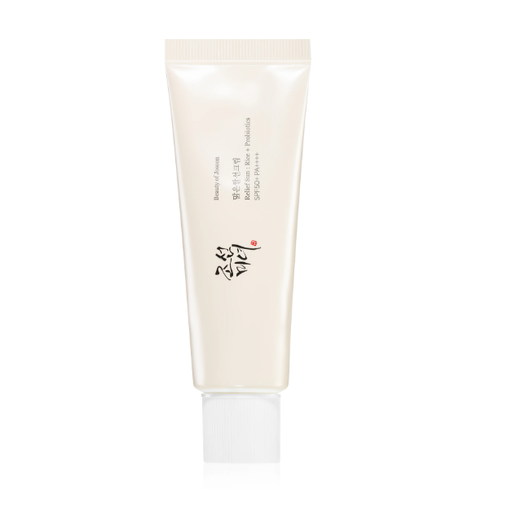
Why This Fits Their Persona: Ideal for anyone seeking reliable, invisible protection that feels like a lightweight moisturiser and serves as a perfect makeup base.
The serum-like texture absorbs without a trace, bypassing the trap of heavy, greasy creams. The finish is neither sticky nor does it leave a white cast.
According to the manufacturer, the formula contains 30% rice extract and fermented grain extracts that nourish and hydrate the skin. High protection with SPF50+ and PA++++.
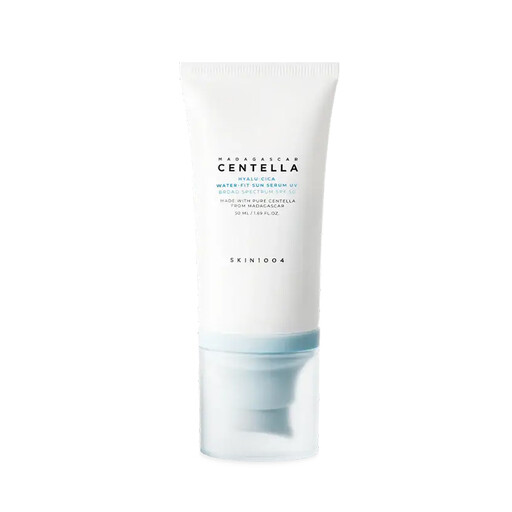
Why This Fits Their Persona: Perfect for skin types that react to conventional sunscreens with redness or blemishes and require a soothing, hydrating formula.
Instead of a thick paste, this sun serum offers a watery, ultra-light texture. It avoids the heavy film often found in products for sensitive skin.
The Hyalu-Cica formula combines hyaluronic acid with Centella Asiatica from Madagascar for intense hydration and to soothe the skin barrier. Chemical filters with no white cast.
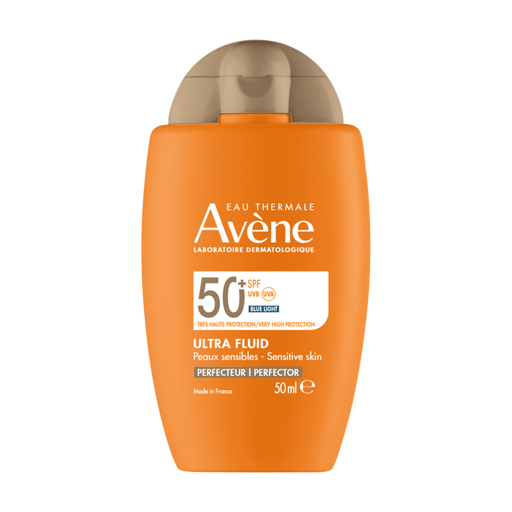
Why This Fits Their Persona: Suitable for users who want high protection that also gently evens out skin tone and provides a natural, radiant finish without being heavily opaque.
The ultra-light, tinted texture avoids the "mask-like" effect of many tinted products. It provides subtle correction rather than a thick layer of makeup.
According to the manufacturer, its TriAsorB filter offers protection against UVB, UVA, and high-energy visible blue light (HEV Blue Light). The formula is designed for sensitive skin.
We have compiled a complete, up-to-date list of products that fully meet these strict selection criteria and comply with current regulations.
A common guideline is the "two-finger rule." To do this, apply a continuous line of sunscreen to your index and middle fingers. This amount is generally sufficient to cover the face and neck completely and effectively. Applying too little significantly reduces the stated SPF.
For oily or normal skin, a moisturising sunscreen may be sufficient on most days of the year to provide the skin with enough nourishment. For dry or very dry skin, it is often better to apply sunscreen as the final step after your usual moisturiser to ensure optimal hydration.
Yes. UVA rays, which are a major contributor to skin aging, can penetrate clouds and window glass. Even though UVB intensity is lower in winter, UVA radiation exposure remains relatively constant. Therefore, daily broad-spectrum protection is a sensible year-round measure to prevent photoaging and pigmentation spots.