
Lieferung heute & morgen

Qualitätsgarantie

Willkommens-Angebote freischalten: KOSTENLOSE Lieferung | Bis zu 80 % RABATT | Kostenlose 30-Tage-JoyPlus-Testphase
App herunterladen
A facial sunscreen with SPF 50 or SPF 50+ should provide reliable protection, spread comfortably and work well with your daily skincare or make-up. Even so, some marketing claims often lead to unsuitable purchases. For example, a high number on the packaging alone says little about how the product feels to wear, its UVA protection or whether it is suitable for sensitive skin.
The SPF mainly describes protection against UVB radiation, which causes sunburn, among other effects. For daily facial sun protection, clearly stated UVA protection is also important. UVA radiation penetrates deeper into the skin and is relevant even in cloudy weather or through window glass.
In Germany and the EU, look for indications such as UVA in a circle, “UVA/UVB” or “broad-spectrum protection”. A label such as PA++++ mainly comes from Asian product systems and adds to the information, but it does not replace checking the complete product labelling.
A lightweight sunscreen without a white cast can feel comfortable on oily or blemish-prone skin. Dry skin, on the other hand, may need additional moisturiser. Conversely, richer textures can look shiny under make-up or feel heavy in high humidity.
Mineral sun protection is not necessarily the right choice for everyone either. Zinc oxide or titanium dioxide can leave visible residue in certain formulations. Modern textures reduce this effect, but you should still check how the colour looks on your own skin.
Water-resistant sun protection loses some of its protective film through swimming, perspiration, drying and friction. “Water-resistant” therefore does not mean that reapplication is unnecessary. For longer periods outdoors, a sun hat, clothing and shade should also be part of your protection routine.
For the face, a product with SPF 50 or SPF 50+ and clearly stated UVA protection is a sensible starting point. However, the level of protection depends heavily on how much product is applied. For the face and neck, the two-finger method is often used as a practical guide: two strips of product along the index and middle fingers can serve as a rough amount. For fluid textures, follow the manufacturer’s dosage instructions.
Consider whether you prefer a lotion, fluid, gel, serum, stick or spray. For commuting and wearing under make-up, lightweight fluids or lotions are often the easiest options. On dry skin, ingredients such as glycerin, hyaluronic acid or squalane can enhance the moisturising feel. These are cosmetic properties, not a guarantee of a particular effect on the skin.
If you have sensitive or redness-prone skin, it is worth checking for fragrances, alcohol and any known personal intolerances. A formula advertised as “gentle” or “soothing” is not automatically suitable for every skin type. Test a new product on a small area first and check the complete INCI list on the packaging.
A tinted sunscreen can visually even out the complexion and act as a make-up base. However, the shade will not always suit every undertone. On very fair, dark, olive or noticeably cool-toned skin, a universal tint may look visibly different. Transparent Korean sunscreens or lightweight Japanese formulations are often an alternative if you do not want any colour coverage.
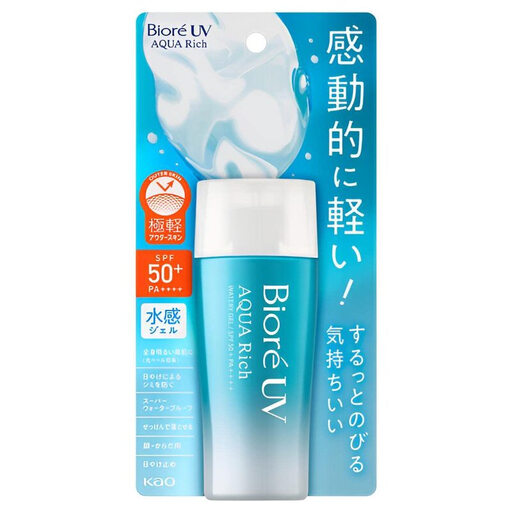
Why this product suits the profile: According to the product description, the water-based gel texture is intended for the face and body, making it suitable for people who prefer a straightforward, lightweight application.
The product details state SPF 50+, PA++++, a lightweight gel texture and no visible white residue. However, applying enough product regularly is still essential.
SPF 50+, PA++++, 70 ml of product and a gel texture described as non-greasy.
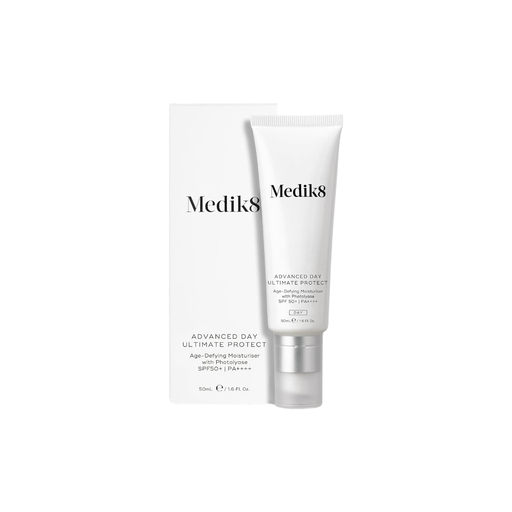
Why this product suits the profile: The combination of SPF50+, PA++++, squalane and hyaluronic acid is aimed at people who want to combine sun protection with a nourishing morning routine.
The dosage instructions recommend five pumps for the face and reapplication in direct sunlight. This directly addresses the risk of applying too little product.
SPF50+, PA++++, plus squalane and multi-weight hyaluronic acid according to the product details.
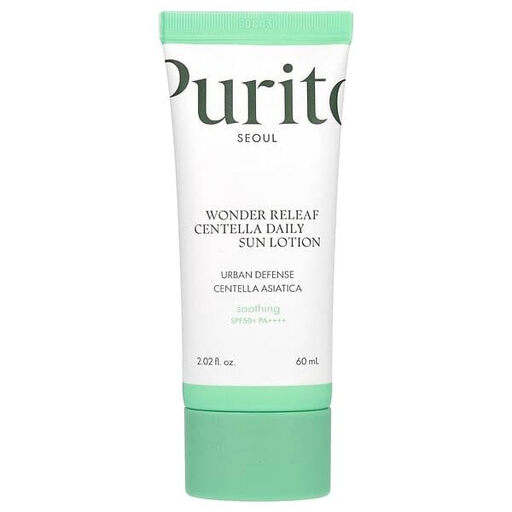
Why this product suits the profile: According to the INCI list, the lightweight lotion contains Centella asiatica extract, several forms of hyaluronic acid, niacinamide and no common fragrance allergens.
The product description states that it is a non-greasy lotion with a low-fragrance INCI base. If you have individual sensitivities, a patch test is still advisable.
SPF50, a lightweight lotion, Centella asiatica extract and several forms of hyaluronic acid.
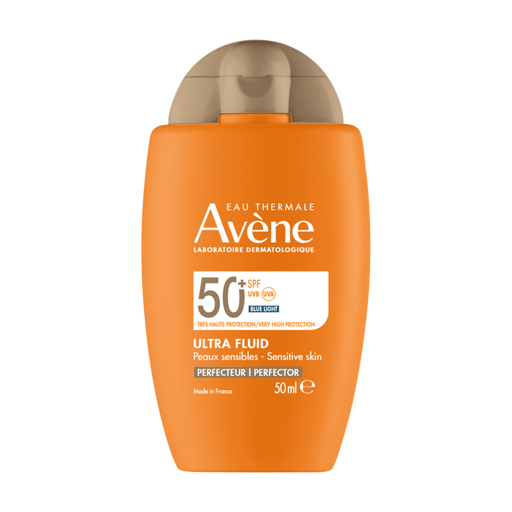
Why this product suits the profile: The tinted fluid is described as suitable for sensitive skin and combines SPF50+ with UVA, UVB and HEV blue-light protection, as well as a subtle tint.
The product details explicitly state that the universal shade may look different depending on skin depth and undertone. Testing it along the jawline and neck is therefore advisable.
SPF50+, an ultra-light texture, a universal shade and water resistance according to the product description.
We have put together a complete, regularly updated list of products that fully meet these strict selection criteria and the safety regulations applicable in the EU.
Apply your facial sunscreen as the final step in your morning skincare routine. Spread the product evenly over your face, ears, neck and, where applicable, décolletage. Allow the layer to settle briefly before applying make-up. Reapply sun protection when exposed to direct sunlight, sweating, swimming or drying yourself.
Sun protection does not prevent all UV exposure. Try to minimise intense midday sun wherever possible. Stop using the product if persistent irritation, burning or redness occurs. If you have known skin problems, seeking medical advice may be advisable.
As a rough guide, use two finger lengths for the face and neck. For pump or spray products, follow the manufacturer’s dosage instructions. Applying less product reduces the level of protection actually achieved.
Yes, daily facial sun protection can be incorporated into your morning routine. It is particularly important when spending extended periods outdoors, during high UV exposure or when using skincare that may make the skin more sensitive to the sun. Regular reapplication and using enough product are key.
Refer to the PAO symbol on the packaging, the stated expiry date and the storage instructions. Heat, direct sunlight and leaving the product open frequently can affect its quality. If its smell, colour or consistency changes noticeably, stop using the product.