
Lieferung heute & morgen

Qualitätsgarantie

Willkommens-Angebote freischalten: KOSTENLOSE Lieferung | Bis zu 80 % RABATT | Kostenlose 30-Tage-JoyPlus-Testphase
App herunterladen
A facial sunscreen with SPF 50 should be reliable and comfortable to wear every day: under make-up, on dry skin, in the office or while out and about. However, eye-catching marketing claims do not always lead to the right product. The key factors are the combination of UV protection, texture, skin type and application.
The SPF rating primarily describes protection against UVB rays, which are associated with sunburn. For daily facial sun protection, you should also look for clearly stated UVA protection. Details such as PA++++, “Broad Spectrum” or a UVA symbol on the packaging can help you choose.
A high SPF does not replace applying enough product. If too little sunscreen is used, the actual level of protection will be lower than stated on the label.
A lightweight sunscreen can feel comfortable on oily skin but leave dry skin feeling tight. Conversely, a rich, moisturising sunscreen may look shinier on combination or oily skin.
“White cast-free” is not a consistently protected quality term either. Transparent formulas can behave differently depending on your skin tone, the amount applied and how much the product is rubbed in. With mineral filters such as zinc oxide or titanium dioxide, a visible film is more likely than with many modern organic filters.
An SPF 50 sun stick or Sun Cushion SPF 50 is practical when you are out and about. However, quickly gliding it over the skin can create a thinner, less even layer of protection than a lotion. For the initial application, a sufficiently generous amount of cream or fluid is therefore usually more suitable. Sticks and cushions are mainly useful as a complement for touch-ups.
For longer periods outdoors, SPF 50 or SPF 50+ is a sensible choice. The product should also state that it provides UVA and UVB protection. If you exercise or sweat heavily, check the details regarding water resistance. Even water-resistant products need to be reapplied after swimming, drying yourself or heavy sweating.
If you have sensitive skin, testing the product on a small area is advisable. If burning, redness or itching occurs, stop using it. Sun protection is intended for external use only and should not be applied to damaged or severely irritated skin.
For sun protection under make-up, quick absorption and an even finish are particularly important. Watery fluids and lotions can usually be spread thinly and evenly. Mattifying sun protection can visibly reduce shine on oily skin, while a dewy finish gives dry skin a more radiant appearance.
Wait briefly after applying the sunscreen before applying foundation or powder. When reapplying over make-up, a sun stick or Sun Cushion SPF 50 can make the process easier. Even so, try to apply the product as evenly as possible.
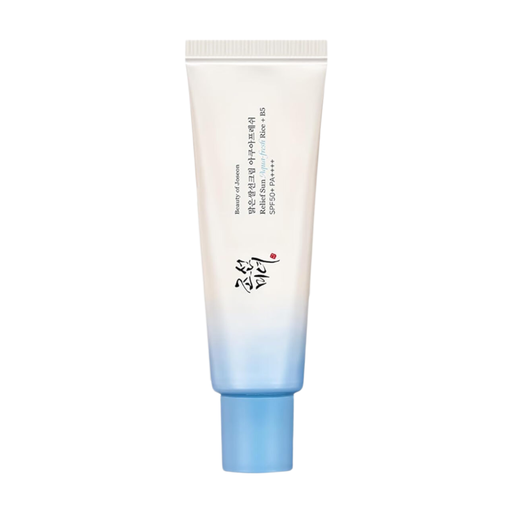
Why this product suits this profile: The lotion-like aqua texture is suitable for anyone looking for a lightweight sunscreen that spreads quickly for everyday use.
The product description states that it has a quick-absorbing texture and a finish without visible white cast or sticky residue.
SPF50+ and PA++++; with rice bran water and panthenol; 50-ml tube for your daily routine.

Why this product suits this profile: The creamy, moisturising texture is designed for anyone who wants facial sun protection with a more nourished skin feel.
The product details describe a lightweight, non-sticky consistency and a natural, non-whitening application.
SPF50+ PA++++; rice extract and fermented ingredients according to the product details; designed for use under make-up.
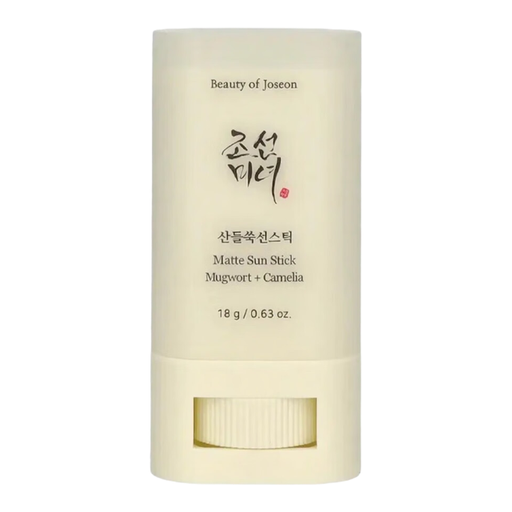
Why this product suits this profile: The handy format is ideal for touch-ups at the office, while travelling or when spending time outdoors.
The stick format makes it easier to reapply without direct contact with your hands. You should still use enough product for the initial application.
SPF50+; mattifying finish with silica according to the product description; compact 18-g format.
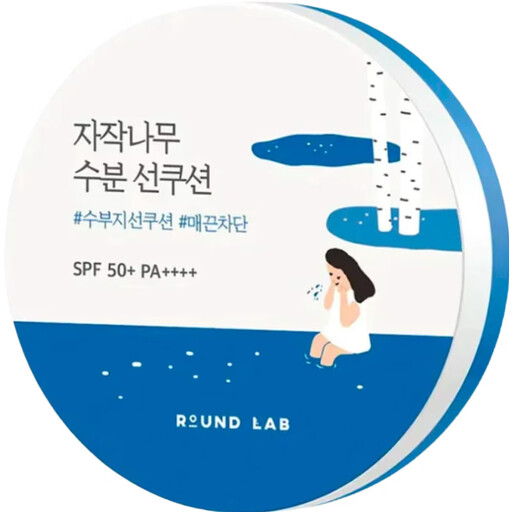
Why this product suits this profile: The cushion format allows for controlled application and is an interesting option for anyone who wants to reapply while out and about.
The puff distributes the formula without using your fingertips. Several controlled dabbing motions are needed for an even layer of protection.
SPF50+ PA++++; birch sap, hyaluronic acid and plant-based ingredients according to the INCI; 15-g cushion for touch-ups.
Check the current ingredients list and expiry date on the packaging every time you buy. Formulas may change; if you are sensitive to fragrances or have known allergies, comparing the INCI lists carefully is advisable.
The two-finger rule is often used as a practical guide for the face and neck. With a stick or cushion, it is harder to judge the amount. The product should therefore be applied in several even passes.
Yes, provided the texture absorbs evenly and is compatible with the skincare and make-up products you use. A lightweight sunscreen or fluid is often easier to work with. Allow the protective layer to dry briefly before applying make-up.
The expiry date printed on the packaging and the PAO symbol, such as “12M”, are the key references. Store the product closed, somewhere cool and protected from direct sunlight. If its smell, colour or consistency changes, stop using it.