
Lieferung heute & morgen

Qualitätsgarantie

Willkommens-Angebote freischalten: KOSTENLOSE Lieferung | Bis zu 80 % RABATT | Kostenlose 30-Tage-JoyPlus-Testphase
App herunterladen
Facial tissues are an indispensable part of daily life. Whether for removing makeup, tending to a runny nose during a cold, or quickly cleaning up small spills, these handy helpers from the box are incredibly versatile. However, the selection is vast, and the differences between products are often more significant than you might first think. The wrong tissue can irritate sensitive skin, tear instantly when wet, or be unsuitable for baby care.
This guide is here to help you navigate the options. It highlights the key features of facial tissues and presents a selection of products for various needs. Our goal is to provide you with an objective foundation for your purchasing decision, so you can find the perfect product for your family, your skin, and your home.
To find the right product for your needs, a few key criteria are essential. The following points will help you objectively evaluate the features of facial tissues.
The material is the most important criterion, especially for those with sensitive skin. Most tissues are made from pulp, but there are significant differences in quality.
The number of plies directly affects the tissue's absorbency and strength.
Practical and ecological aspects also play a role in the selection process.
Based on the criteria mentioned, we have compiled a selection of products that cover a range of different needs.
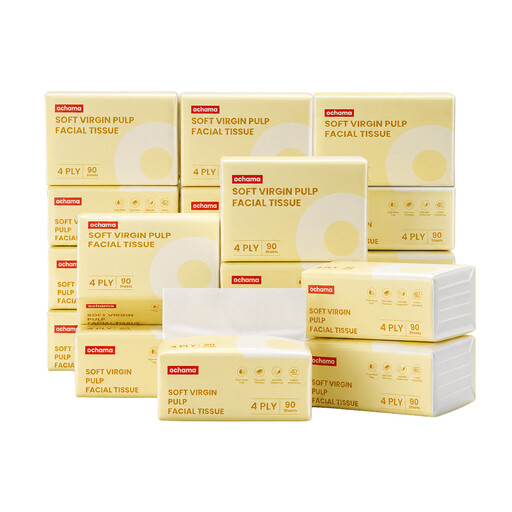
Why it stands out: This product combines a high ply count with a large pack size. The tissues are made from high-quality virgin pulp and are exceptionally durable and absorbent thanks to their 4-ply structure. The embossed surface provides extra softness.
Advantages:
Who it's for: Ideal for families and budget-conscious shoppers looking for a large supply of versatile and durable facial tissues for the entire household.
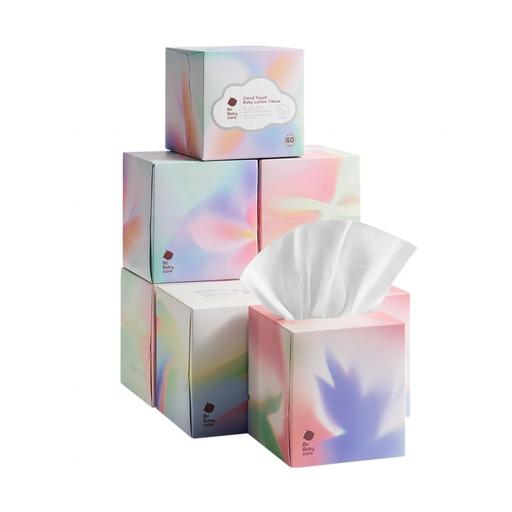
Why it stands out: These tissues are specially developed for the needs of sensitive skin. They are infused with a moisturising essence that leaves a gentle and nourishing feeling during cleansing.
Advantages:
Who it's for: An excellent choice for parents caring for babies and toddlers. Also suitable for adults with very dry or easily irritated skin who appreciate an added soothing effect.

Why it stands out: These facial tissues are made from 100% high-quality cotton, making them a natural and sustainable alternative to pulp-based tissues. They are free from chemical additives, which makes them an option for allergy sufferers and individuals with extremely sensitive skin. According to the manufacturer, they are also biodegradable.
Advantages:
Who it's for: Perfect for eco-conscious consumers, as well as people with allergies or very sensitive skin who prefer a pure, gentle, and versatile product for the face, baby care, and household use.
The products featured here already cover a wide range of needs. However, if you are looking for other paper products, such as larger quantities for general household use, you can find more alternatives in our Toilet Paper Pack category.
1. What is the difference between facial tissues and regular pocket tissues? The main difference often lies in the packaging, size, and texture. Facial tissues typically come in a tissue box that allows for easy dispensing. They are usually larger and softer than pocket tissues and are designed to be gentle on facial skin, for instance, when removing makeup.
2. Can facial tissues be used for baby care? Yes, many facial tissues are well-suited for baby care. However, it's important to choose products specifically designed for sensitive skin. Look for hypoallergenic tissues without perfume, alcohol, or other irritating additives. Dry tissues made from cotton or pulp (dry baby wipes) are a great base that can be moistened with water as needed.
3. Are 4-ply facial tissues really better? Whether 4-ply facial tissues are "better" depends on the intended use. Their higher ply count makes them significantly more absorbent and tear-resistant, which is particularly advantageous when used wet (e.g., for removing makeup) or for wiping up spills. For simply blowing your nose, 2- or 3-ply tissues may be sufficient. However, for more demanding tasks, 4-ply tissues offer a clear functional advantage.