
Lieferung heute & morgen

Qualitätsgarantie

Willkommens-Angebote freischalten: KOSTENLOSE Lieferung | Bis zu 80 % RABATT | Kostenlose 30-Tage-JoyPlus-Testphase
App herunterladen
A facial toner can add moisture after cleansing, prepare your skin for the rest of your skincare routine or, depending on its formula, gently exfoliate the skin’s surface. Choosing one can be trickier than product claims suggest. A toner for blemish-prone skin won’t necessarily suit sensitive skin, and a long list of ingredients alone tells you little about how well it will fit into your daily routine.
AHA, BHA, PHA, vitamin C, niacinamide and plant extracts may sound like a convincing combination. But using several exfoliating or potentially irritating products at the same time can leave your skin feeling tight, red or dry. So don’t combine an AHA-BHA toner with other acid exfoliants without careful thought.
A toner can’t permanently change the size of your pores. Products can affect the appearance of your skin’s surface by removing excess oil or loose, flaky skin. When choosing a pore-refining toner, the ingredients, how often you use it and how well your skin tolerates it matter more than eye-catching marketing claims.
A clarifying toner may contain alcohol, menthol, perfume or essential oils. These ingredients aren’t automatically a problem, but they can feel uncomfortable on sensitive or already irritated skin. If you’re looking for a toner for sensitive skin, check the full INCI list and start with a patch test on a small area of skin.
A brightening toner shouldn’t be considered a treatment for pigmentation concerns. Cosmetic products can care for the appearance of your skin, but the ingredients listed above don’t justify medical claims.
When choosing an exfoliating toner, it’s not just a question of whether it contains AHA or BHA. The ingredient’s position in the INCI list, its concentration, the rest of the formula and the recommended usage all matter too. If you’re new to exfoliating toners, using one two or three evenings a week is often enough to start with. If you experience dryness or stinging, use it less often or stop using it.
AHA and BHA products can make your skin more sensitive to sunlight. That’s why it’s a good idea to use a sunscreen with suitable broad-spectrum protection during the day. Don’t apply acid toners to broken, severely irritated or inflamed skin.
A watery texture may suit you if you don’t want a rich layer under your serum and moisturiser. Gel-like or lightly milky formulas may feel more comfortable on dry skin. The bottle size matters too: 50 ml is a good way to try a product, while 150 to 250 ml may be better value if you use it regularly. Before use, check the best-before date, batch number and current ingredients list on the packaging.
The products below suit different skincare needs. Their suitability is based on the listed ingredients, directions for use and product details. Any claims about visible results should not be taken as a guarantee.
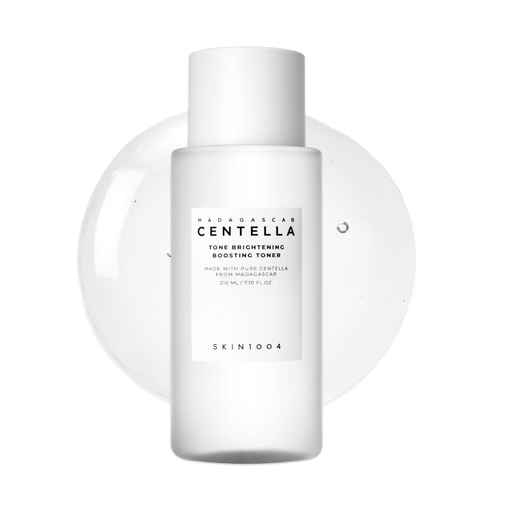
Why it suits this profile: The 210 ml bottle combines Centella Asiatica, niacinamide and panthenol in a lightweight, fluid formula. According to the product details, it is designed for normal, combination and sensitive skin.
You can check the ingredients list for yourself rather than relying solely on claims such as ‘radiant’. A patch test is still a good idea if you have sensitive skin.
210 ml size, Centella Asiatica, niacinamide and a lightweight texture for your daily skincare routine.
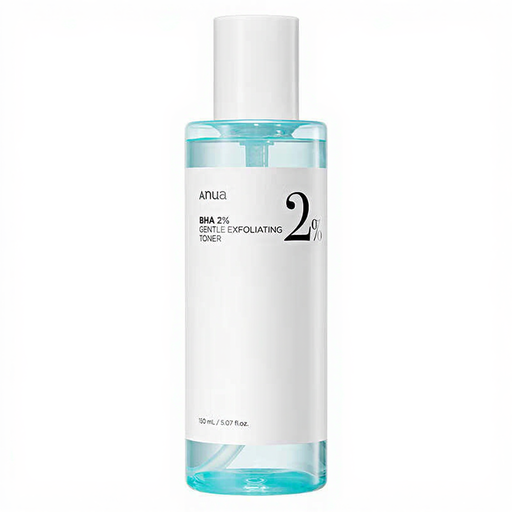
Why it suits this profile: If you’re specifically looking for a BHA toner, the product description lists 2% BHA along with niacinamide, tranexamic acid, Centella Asiatica and several humectants.
The stated BHA concentration makes it easier to assess the formula. It’s recommended that you start by using it every two to three days and monitor how your skin responds.
Clearly stated 2% BHA, 150 ml size and several hydrating and nourishing ingredients.
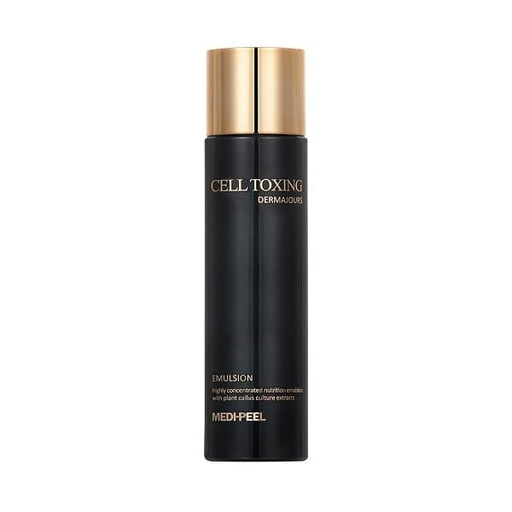
Why it suits this profile: According to the product details, the toner contains glycerin, niacinamide, hyaluronic acid, ceramide NP and several peptides. Its lightweight, fast-absorbing texture is designed for multi-step skincare routines.
Acids aren’t the formula’s main focus. This makes it easier to distinguish from an exfoliating toner if hydration and comfort are your priorities.
Hydrating ingredients, ceramide NP and peptides in a watery, lightweight formula.
We’ve put together a complete, regularly updated list of products that meet these strict selection criteria and fully comply with the safety regulations in force in the EU.
After cleansing, apply facial toner with your hands or a cotton pad. With exfoliating formulas, gentle application is enough; rubbing firmly won’t automatically improve the results. Follow with serum or moisturiser. Add new products to your routine one at a time so it’s easier to identify any reactions.
It depends on the formula. You can often use a hydrating toner morning and evening, as long as your skin tolerates it. With AHA, BHA or PHA products, it’s a good idea to start slowly and use them just a few times a week. Always follow the manufacturer’s directions on the packaging.
No. Depending on the formula, an anti-blemish toner may contain acids, alcohol, fragrance or soothing ingredients. If your skin is sensitive or irritated, gentle, hydrating formulas are often easier to assess. For severe or persistent skin problems, seek advice from a dermatologist.
Check the best-before date and the PAO symbol on the packaging, such as ‘12M’ for use within twelve months of opening. Changes in smell, colour or consistency may indicate a loss of quality. Store the product in a cool, dry place away from direct sunlight.