
Lieferung heute & morgen

Qualitätsgarantie

Willkommens-Angebote freischalten: KOSTENLOSE Lieferung | Bis zu 80 % RABATT | Kostenlose 30-Tage-JoyPlus-Testphase
App herunterladen
A facial toner can be a useful addition to your skincare routine after cleansing. However, toners, Korean toners and facial mists differ significantly in texture, ingredients and application. If you only buy based on terms like "glow", "detox" or "ultra-light", you can easily overlook important details.
Three marketing pitfalls in particular often lead to the wrong purchase:
For a hydrating toner, ingredients such as glycerin, betaine, panthenol, hyaluronic acid or beta-glucan are relevant. They can help your skin feel less dry after cleansing. However, the actual tolerance depends on the overall formulation.
If you are looking for a toner for sensitive skin, you should also pay attention to fragrance, essential oils, alcohol and a formula that is as simple as possible. "Alcohol-free" does not automatically mean that a product will be suitable for everyone. If you have known allergies or recurring reactions, a patch test on a small area of skin is recommended.
For a toner for blemish-prone skin, lightweight, non-greasy textures can be more practical. Products with exfoliating acids or enzymes should be introduced into your routine slowly. Stronger or more frequent application is not necessarily beneficial.
A classic toner is applied from your hands or with a cotton pad. A hydrating facial mist, on the other hand, is sprayed directly onto the face. A mist is practical for on the go, while a larger toner bottle can be more economical for morning and evening use.
With two-phase products, it is also important to shake the bottle before use. Otherwise, the oil-serum mixture will not be distributed evenly. A fine nozzle should mist the face evenly without leaving large droplets.
Check before you buy:
Cosmetic products are not intended for the treatment of skin diseases. If you experience persistent redness, swelling, severe itching or burning, stop using the product and seek dermatological advice if necessary.
The right choice depends not only on your skin type. Your daily environment also plays a role: dry heating air, frequent moisturising, make-up or limited luggage for travel all call for different product formats. The selection below categorises products according to specific usage situations and the stated product properties.
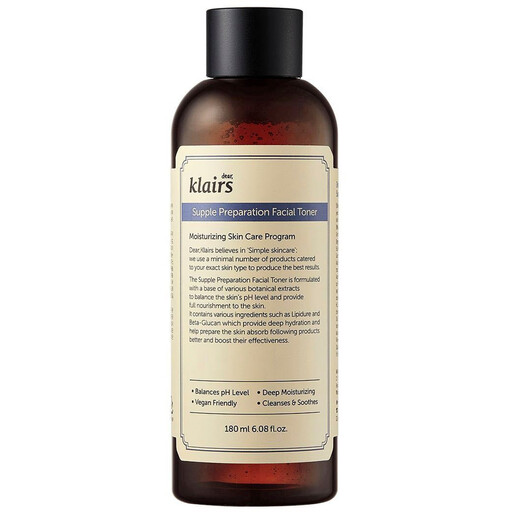
Why this product fits the profile: The liquid texture and stated suitability for different skin types make this Korean toner a straightforward addition for both morning and evening use.
The product information mentions a light, fast-absorbing texture and the absence of alcohol and silicones. You should still check the current INCI list before purchasing.
180 ml content, hyaluronic acid and beta-glucan according to the product description; can be applied with hands or a cotton pad.
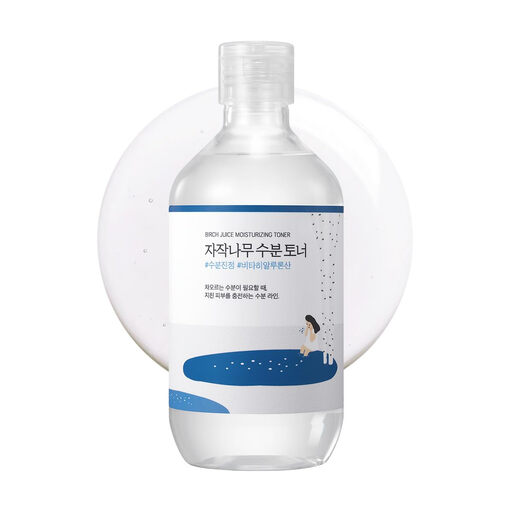
Why this product fits the profile: The 300 ml bottle is aimed at those who want to use a toner regularly as part of a comprehensive skincare routine after cleansing.
The water-like texture and the mention of a fragrance-free formulation address the common pitfall of unnecessarily heavy or heavily scented toners.
Birch sap, several forms of hyaluronic acid, panthenol and allantoin are included in the stated formulation.
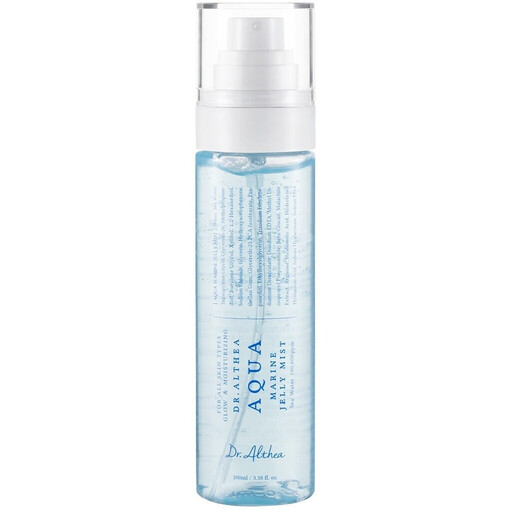
Why this product fits the profile: The spray format is ideal for the office, travel and refreshing over make-up, without needing to use a classic toner with a cotton pad.
The fine mist distribution and application from about 20 cm away help to avoid wetting the face with too much liquid.
100 ml, deep-sea water, glycerin, panthenol and allantoin according to the product information; can also be used over make-up.
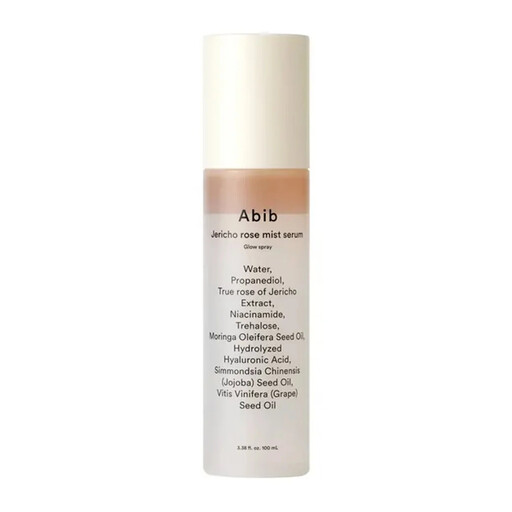
Why this product fits the profile: The two-phase essence combines a serum with an oil phase and is interesting for those who prefer a facial mist with a light, dewy finish.
The clear instructions indicate that you should shake it thoroughly. This ensures the advertised oil-serum balance is evenly distributed before spraying.
Aqua Glow Oil Complex, glycerin, niacinamide, squalane and ceramide NP are listed in the stated ingredients list.
We have put together a complete, regularly updated list of products that fully meet these strict selection criteria and the safety regulations in force in the EU.
A toner does not have to be applied with a cotton pad. Using your hands often reduces mechanical friction for sensitive skin. For dry patches, you can briefly place a soaked cotton pad on the area, provided the product instructions allow it.
The terms are sometimes used interchangeably in the trade. Classic toners can complement cleansing, while modern toners usually provide hydration and prepare the skin for the next steps in your routine. What matters are the usage instructions and the INCI list, not just the name.
The symbol for the period after opening, the best-before date and the information on the packaging are what matter. Store the product closed, in a dry place and away from direct sunlight. If the smell, colour or consistency changes noticeably, you should stop using it.
Many hydrating formulations are intended for daily use. If you have sensitive skin, start with once a day and observe the reaction. If you experience burning, itching or persistent redness, stop using the product.