
Lieferung heute & morgen

Qualitätsgarantie

Willkommens-Angebote freischalten: KOSTENLOSE Lieferung | Bis zu 80 % RABATT | Kostenlose 30-Tage-JoyPlus-Testphase
App herunterladen
A facial toner can hydrate the skin after cleansing and prepare it for further skincare products. What really matters, however, isn't the marketing buzzwords like "Glow", "Detox" or "Deep Cleansing", but the actual formulation. If you're looking to buy Korean skincare, you should therefore match your skin type, ingredients, application method and product size.
This claim usually describes a broad target audience, but it doesn't replace a proper look at the INCI list. A toner with fragrances, essential oils or exfoliating acids may work for some people, whereas a toner for sensitive skin requires a composition that is as simple and low-irritant as possible.
Even plant-based ingredients aren't automatically problem-free for everyone. If you know you're sensitive to certain plant extracts, you should check the packaging particularly carefully.
A brightening toner with niacinamide, vitamin C derivatives or glutathione is often promoted for a more even complexion. Such claims shouldn't be taken as a guaranteed change in pigmentation. What really counts is the overall formula, its tolerability and regular use.
With an AHA-BHA toner, there's another factor: acids can put more strain on the skin than a purely hydrating toner. Frequent application or combining it with several active products can lead to tightness or irritation.
A low price per 100 millilitres is only relevant if you actually use the product regularly. If a toner is hardly used because of a sticky texture, strong fragrance or stinging sensation, even a large bottle becomes impractical. Also check the expiry date, the batch number and the period-after-opening symbol on the packaging.
First, identify your main goal:
The ingredients list shows which substances are actually included. For extra hydration, look for glycerin, sodium hyaluronate, various forms of hyaluronic acid or panthenol. Centella Asiatica, also known as cica, is often used in formulations for a soothing skin feel.
For sensitive skin, it's worth searching for terms like parfum, essential oils and alcohol. That doesn't automatically mean a product is unsuitable; however, people with known sensitivities can deliberately avoid such components.
An AHA-BHA toner contains chemical exfoliating ingredients such as glycolic acid or salicylic acid, or their derivatives. For beginners, it makes sense to introduce only one acid-containing product into your routine and not use several exfoliants at the same time.
With AHA and BHA products, you should use sun protection during the day and reduce intense UV exposure. If you experience stinging, persistent redness or itching, stop using the product. Cosmetic products are intended for external use only and should not come into contact with your eyes.
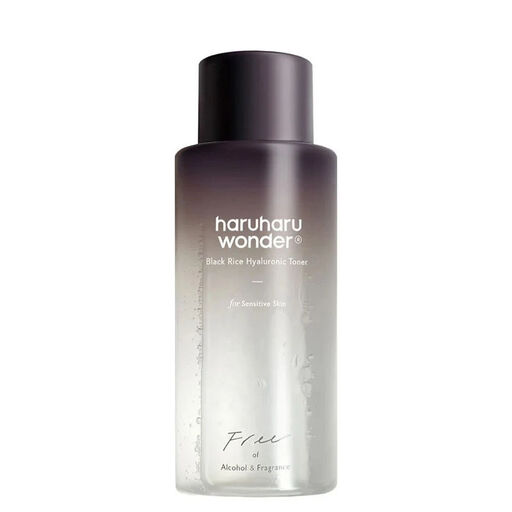
Why this product fits the profile: The liquid texture and the listed ingredients of black rice and hyaluronic acid make it suitable for anyone looking for a straightforward daily hydration product.
The product description focuses on a light, non-sticky application and does not list exfoliating acids as a main ingredient.
Water-like consistency, hyaluronic acid and black rice extract according to the product details.
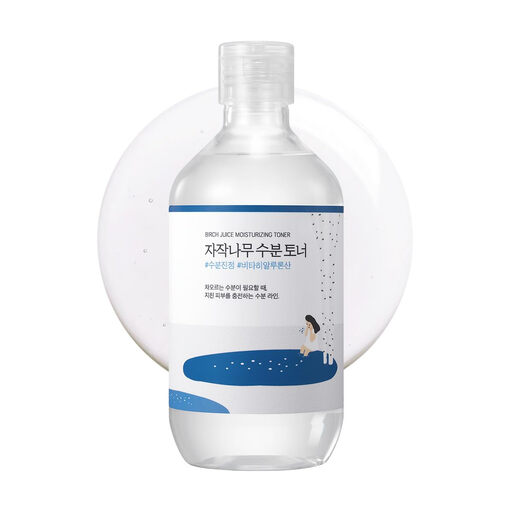
Why this product fits the profile: The 300ml size and several listed humectants make it ideal for heavy users with dry or dehydrated skin.
The product description mentions a light texture without synthetic fragrances, while also pointing out possible sensitivities to birch ingredients.
300ml content plus several forms of hyaluronic acid, panthenol and allantoin according to the INCI listing.
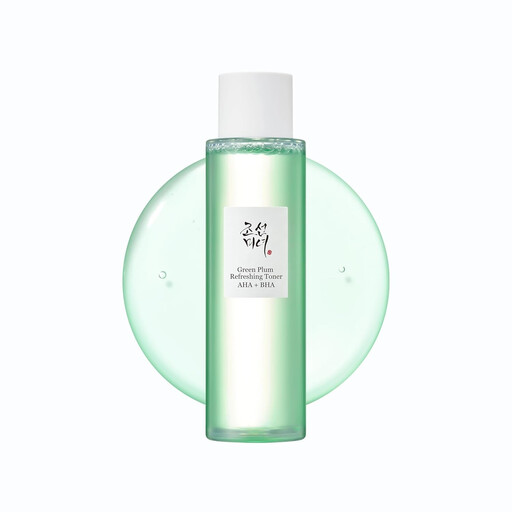
Why this product fits the profile: For those specifically looking for an AHA-BHA toner to complement an already well-established routine.
The ingredients glycolic acid and salicylic acid are clearly stated. This makes it easier to distinguish its use from a purely hydrating toner.
AHA and BHA in a 150ml formulation; also includes green plum water and mung bean extract.
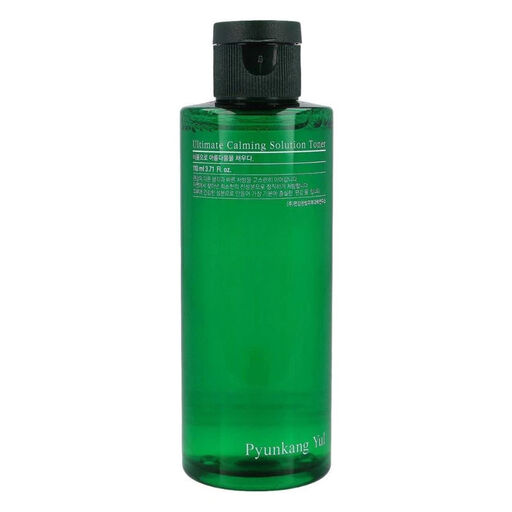
Why this product fits the profile: The 110ml bottle is a manageable size for anyone wanting to introduce a soothing facial toner into a pared-down routine.
The product details mention a pH-balanced formulation along with Centella Asiatica and tea tree extract. If you have sensitivities, a patch test is still advisable.
110ml content, pH-balanced formulation and suitable for both morning and evening use according to the product description.
After cleansing, apply a small amount to your palms or a cotton pad and gently pat it over your face and neck. For dry skin, pressing it in with your hands can feel more comfortable than vigorous rubbing. A toner does not replace cleansing or moisturiser, and it does not provide sun protection.
Always test new products on a small area of skin first. When using active ingredients such as AHA, BHA or vitamin C derivatives, start with a low frequency of application. Before buying, check the current INCI list on the packaging, as formulations can change.
A hydrating toner can be used morning and evening after cleansing, depending on your skin's tolerance. For products containing AHA or BHA, a slower introduction period is advisable. Always follow the usage instructions on the packaging.
Toners with hyaluronic acid often also contain glycerin or panthenol and can serve as a hydration step in a skincare routine. You should follow up with a moisturiser so that your skincare doesn't end with a single liquid product.
The terms are sometimes used interchangeably in the trade. A modern facial toner is usually applied after cleansing and can deliver hydration or specific active ingredients. The exact function is determined by the INCI list and the usage instructions, not just the product name.