
Lieferung heute & morgen

Qualitätsgarantie

Willkommens-Angebote freischalten: KOSTENLOSE Lieferung | Bis zu 80 % RABATT | Kostenlose 30-Tage-JoyPlus-Testphase
App herunterladen
A facial toner can replenish moisture after cleansing, soothe the skin or serve as a clarifying step in your skincare routine. However, the wide range of choices does not automatically make it easy to find the right product. Terms such as “glow”, “anti-ageing toner” or “pore refining” say little unless you check the concentrations, directions for use and skin compatibility.
“Regenerating”, “firming” and “rejuvenating” are often promotional descriptions. They do not replace specific information about the formulation. More meaningful details include fragrance-free, pH value, type of acid, alcohol content, pack size and the complete INCI list.
For example, an anti-ageing toner may contain humectants such as glycerine or hyaluronic acid. However, this does not guarantee a rejuvenating effect. What matters is whether the texture suits your skin and whether the ingredients are well tolerated in everyday use.
A clarifying BHA toner with salicylic acid may be of interest for oily or blemish-prone skin. However, products containing acids can make the skin more sensitive to sunlight, while using them too frequently may encourage dryness or irritation. Particular caution is advisable for sensitive, reddened or already irritated skin.
A moisturising toner usually works with water-binding ingredients. It does not automatically replace a serum or cream. If you have dry skin, follow your facial toner with suitable skincare so that the added moisture is properly integrated into your routine.
First, identify your main goal:
A toner with hyaluronic acid may contain sodium hyaluronate, hydrolysed hyaluronic acid or cross-linked forms. The terms “multi-form” or “Multi-Molecular” should be verifiable from the INCI list. Depending on the formulation, niacinamide, panthenol and ceramides may also be of interest.
When it comes to acid products, check the acid and concentration stated, the recommended use and any warnings. The OSKIA product, for example, specifies 2 % salicylic acid and warns of sun sensitivity caused by AHAs/BHAs. A patch test before first use can help you assess your individual tolerance.
Watery face waters are usually absorbed quickly and are suitable for applying several layers of skincare. Gel-like toners often leave the skin feeling more moisturised. A spray product such as a thermal water spray for the face is convenient when you are out and about, but it does not necessarily contain the additional active ingredients found in a classic toner.
Apply the product after cleansing with your hands or a cotton pad, unless the brand recommends otherwise. Not every face water is intended to remove traces of make-up; many modern toners are specifically designed for skin that has already been cleansed.
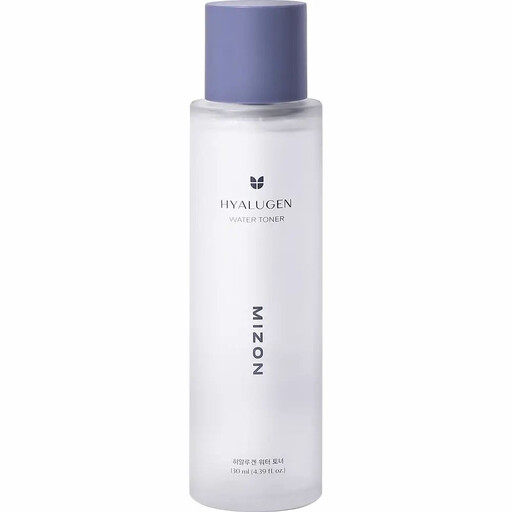
Why this product suits this profile: The 130-ml bottle and morning and/or evening use are ideal for a simple daily routine. According to the product information, the formula is vegan, fragrance-free and suitable for sensitive skin as well as all skin types.
The information specifies concrete properties such as a fragrance-free and hypoallergenic formula, rather than relying solely on general skincare promises.
Sodium hyaluronate, glycerine, betaine and beta-glucan are listed in the INCI list. The product contains 130 ml.
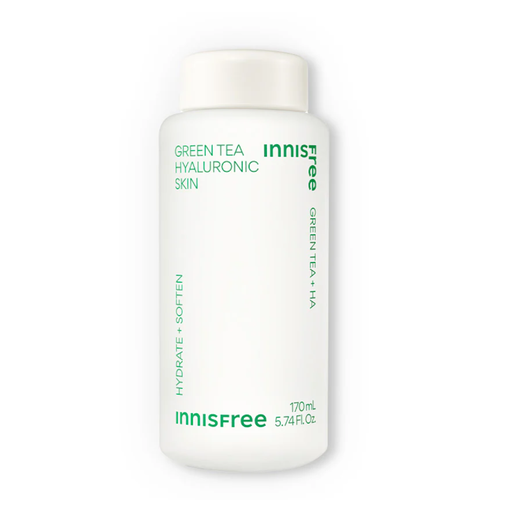
Why this product suits this profile: The formula combines several types of hyaluronic acid with glycerine, panthenol and beta-glucan. This appeals to buyers who want to compare INCI lists in detail.
Its moisturising focus can be verified through several specifically listed forms of hyaluronic acid, rather than just a marketing name.
170 ml content; suitable for use on the face and neck; several forms of hyaluronic acid are specified.
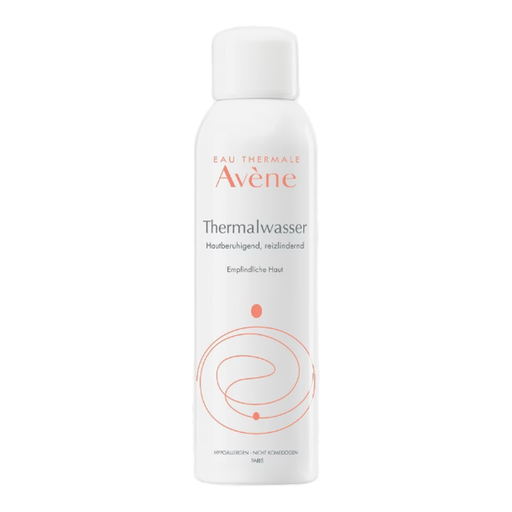
Why this product suits this profile: The spray is designed for quick use after cleansing, when you are out and about, after exercise or whenever you want to freshen up. According to the product information, its composition consists of Avène thermal water and nitrogen.
The concise INCI list makes it clear that this is not intended to be a full active serum, but a pure spray product.
150 ml content; finely atomised application; fragrance-free composition according to the product information.
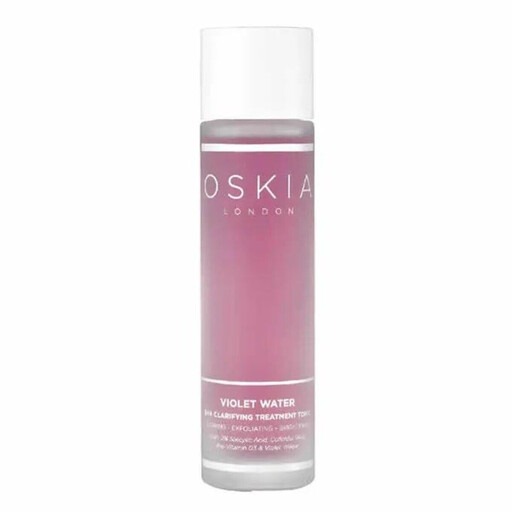
Why this product suits this profile: The combination of 2 % salicylic acid and other skincare components is aimed at adults and teenagers who want to incorporate a clarifying toner into their evening routine.
The acid concentration and warning about sun sensitivity are clearly stated. This makes it easier to plan how to use the product.
2 % salicylic acid; 100 ml content; use daily or every other evening depending on your skin, according to the product information.
We have put together a complete, regularly updated list of products that fully meet these strict selection criteria and the safety regulations applicable in the EU.
When trying a new facial toner, start with a small amount and observe how your skin reacts. For a hydrating product, daily use in the morning and evening may be appropriate, provided this is recommended in the product information. You should initially use an acid toner less frequently and avoid combining it with several other strongly exfoliating products at the same time.
If you experience burning, persistent redness or a rash, stop using the product. Avoid contact with the eyes. When using acid-based formulations, suitable sun protection should be part of your daytime routine. Individual tolerance can vary.
The terms are often used similarly by retailers in Germany. Classic face water was frequently marketed as the final cleansing step. Modern toners, on the other hand, may primarily add moisture, soothe the skin or contain active ingredients such as BHA. The product description and INCI list are therefore what matter, rather than the name alone.
This depends on the formulation. A moisturising toner can often be used morning and evening after cleansing. A clarifying BHA toner is often used in the evening, although the manufacturer’s instructions and your individual skin condition are the key considerations. After using acid-based products, sun protection during the day is advisable.
The best-before date or the symbol indicating the period after opening can be found on the packaging. Store the toner in a cool, dry place away from direct sunlight. If its smell, colour or consistency changes noticeably, stop using the product. For spray bottles, also follow the instructions for pressurised containers.