
Lieferung heute & morgen

Qualitätsgarantie

Willkommens-Angebote freischalten: KOSTENLOSE Lieferung | Bis zu 80 % RABATT | Kostenlose 30-Tage-JoyPlus-Testphase
App herunterladen
A facial toner, also known as a face toner or skin toner, can deliver hydration after cleansing and prepare the skin for serum or moisturiser. However, choosing the right one isn’t just about brand promises. What really matters is your skin type, the ingredients, the texture, and how you plan to use it.
A hydrating toner often contains glycerin, betaine, panthenol, sodium hyaluronate, or various forms of hyaluronic acid. These ingredients can help bind water to the skin’s surface. However, that doesn’t tell you whether the formula is suitable for sensitive skin.
Fragrance, essential oils, alcohol, or certain plant extracts can trigger unwanted reactions in some people. That’s why you should always check the full INCI list. If you have sensitive skin, it’s also a good idea to do a patch test on a small area.
A brightening toner may contain ingredients like niacinamide, vitamin C derivatives, rice extracts, or tranexamic acid. Cosmetic products can help improve the appearance of uneven skin tone, but they are not a substitute for medical treatment.
So, take product claims like “reduces melanin” or “removes pigmentation” with a pinch of salt. What’s more telling is looking at the actual ingredients listed and their concentration, if the manufacturer provides that information.
A toner designed for blemishes or oily skin often contains alcohol, witch hazel, acids, or other clarifying ingredients. These formulas can feel suitable if you have noticeable shine or clogged pores. However, on dry or sensitive skin, frequent use can lead to a feeling of tightness.
A facial toner is not a replacement for a gentle cleanser. If you experience stinging, redness, itching, or persistent irritation, stop using it and seek dermatological advice if needed.
Terms like “Korean facial toner”, “centella toner”, and “rice toner” describe a style, origin, or key ingredient. They are not automatic proof of a specific effect or skin tolerance.
Watery toners tend to absorb quickly and work well for layering. Essence-like or milky textures can feel more comfortable on dry skin, but they may leave a more noticeable film.
After cleansing, you can apply the toner with your hands or a cotton pad. On dry cheeks, gentle patting is usually better than vigorous rubbing. How often you use it depends on the formula and your individual tolerance.
Before you buy, check:
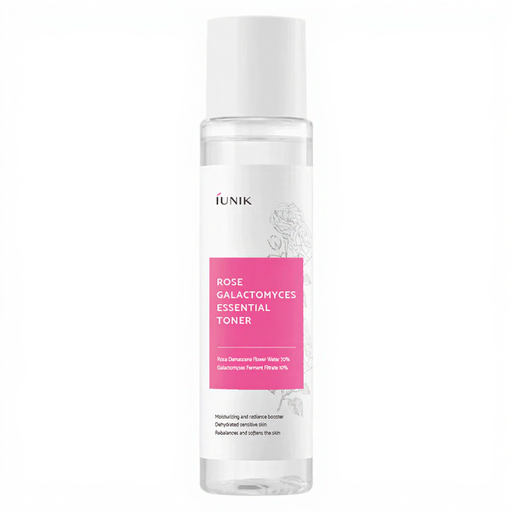
Why This Fits Their Persona: The light, oil-free texture is ideal for anyone looking for a straightforward introduction to Korean skincare.
The product details mention a watery consistency, along with rose damascena flower water and galactomyces ferment filtrate. Check the INCI list before buying for any fragrance or personal intolerances.
200 ml content; glycerin, sodium hyaluronate, and allantoin are listed in the ingredients.
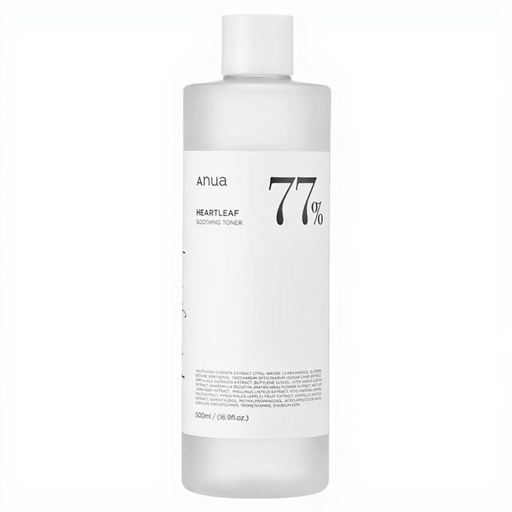
Why This Fits Their Persona: A watery, layerable texture suits a multi-step morning and evening routine.
The formula is described as containing 77% heartleaf extract, panthenol, and glycerin. Still, check your individual tolerance before applying it to larger areas.
250 ml content; centella asiatica and chamomile extract are also listed in the product description.
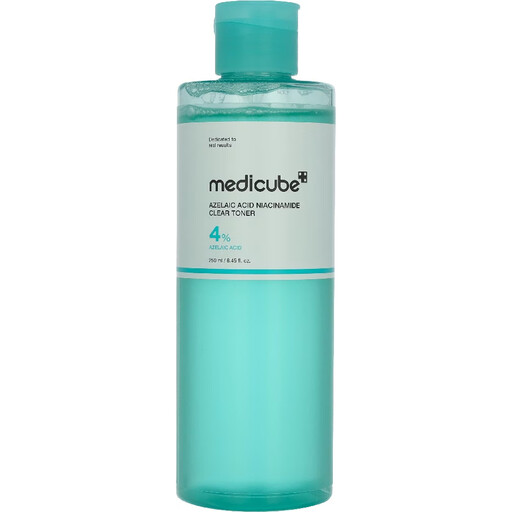
Why This Fits Their Persona: The product is positioned for blemish-prone, oily, and combination skin, making it a good fit for a clarifying routine.
Azelaic acid and niacinamide are listed in the INCI. If you’re using other acids at the same time, build up your routine gradually.
250 ml content; centella asiatica, ceramide NP, and sodium hyaluronate are also listed.
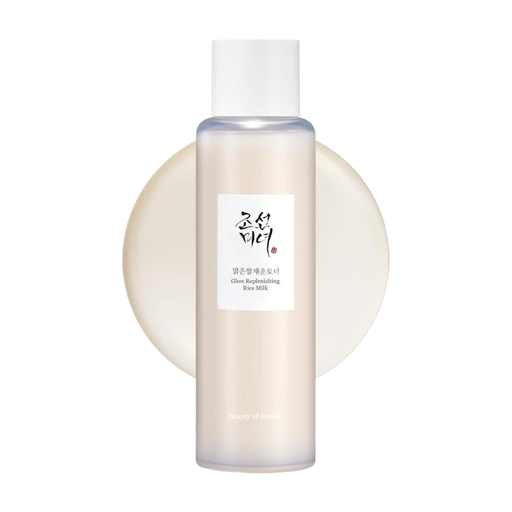
Why This Fits Their Persona: A compact size and rice extract suit those who prefer a gentle, hydrating Korean routine.
The product details mention rice extract, glycerin, betaine, panthenol, and allantoin. The clear, light texture avoids a heavy, described film.
150 ml content; sodium hyaluronate is listed in the ingredients.
For dry or sensitive skin, options include the SKIN1004 Madagascar Centella Hyalu-Cica Brightening Toner, with its hyaluronic acid and centella focus, and the VT Cosmetics Reedle Shot Synergy Sparkling Toner, which contains panthenol, sodium PCA, and forms of hyaluronic acid. If you’re looking for a brightening toner, you can compare the ANUA Peach 77 Niacin Essence Toner, the SKINFOOD Rice Brightening Toner, or the Kuramoto Bijin Hakukoji Sake Lotion based on their respective INCI lists.
For clarifying care, products like Murad Clarifying Toner, Clinique Clarifying Lotion 2, and the Medicube toner differ significantly in their alcohol, fragrance, and acid content. So, checking the current packaging is more important than relying on the product name alone.
Our selection of facial toners can be compared by skin type, texture, and skincare goal. Before you buy, check the current ingredients list and usage instructions for each product.
A facial toner is typically applied after cleansing and before serum or moisturiser. Depending on the product, you can use it in the morning, evening, or just a few times a week to start with.
The key is the period-after-opening (PAO) symbol on the packaging, for example “12M”. You should also keep an eye on the smell, colour, and consistency. If you notice any significant changes, stop using the product.
No. A higher price alone doesn’t tell you much about tolerance or suitability. Instead, compare the ingredients, volume, texture, packaging information, and how well it matches your skin type.