
Lieferung heute & morgen

Qualitätsgarantie

Willkommens-Angebote freischalten: KOSTENLOSE Lieferung | Bis zu 80 % RABATT | Kostenlose 30-Tage-JoyPlus-Testphase
App herunterladen
A good facial toner, often simply called a toner or tonic, can be a game-changing step in any skincare routine. However, the market is saturated with products and marketing promises that often create more confusion than clarity. Many products fail to deliver on their claims, leading to disappointment or even skin irritation.
As your Joybuy Product Recommendation Officer, I'm here to help you separate the crucial information from the noise. In this guide, I'll show you how to avoid common purchasing pitfalls and select a toner that truly meets your skin's needs.
Before we dive into the selection criteria, it's important to understand the most common mistakes that can lead to a bad purchase.
To find the right product, you should focus on two fundamental parameters instead of being swayed by advertising slogans.
Not all toners are created equal. A toner's main function is determined by its active ingredients. Identify your primary skin goal to choose the right category.
Two ingredient groups require special attention, as they are frequently responsible for adverse skin reactions.
Based on the objective criteria above, we have identified some products that are particularly well-suited for specific user profiles.
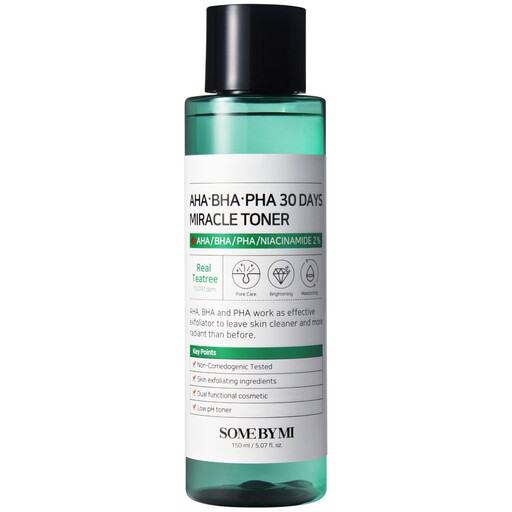
Why It's a Match: This toner was specifically developed for the needs of blemish-prone skin. It addresses the main causes of pimples and blackheads: excess dead skin cells and clogged pores.
Instead of relying on a single, potentially irritating active ingredient, the formula combines three different types of acids (AHA, BHA, PHA) in a balanced concentration. This allows for effective yet gentle exfoliation, avoiding the trap of an overly aggressive "one-size-fits-all" product.
The combination of exfoliating acids and soothing ingredients like Tea Tree Water (10,000 ppm) and Niacinamide offers a multifunctional approach to clarifying and calming the skin.
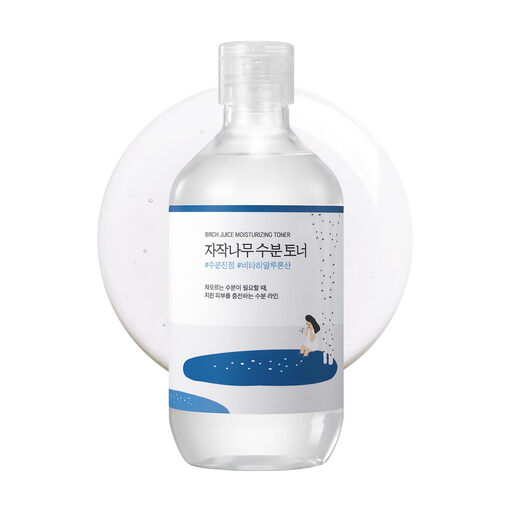
Why It's a Match: This hydrating toner is designed for users whose main concerns are dryness, tightness, and dull skin. It provides intense moisture without feeling heavy.
Instead of just relying on water and glycerin, the formula is based on Birch Sap (Betula Platyphylla Japonica Juice). This avoids the trap of a "hydrating" product with minimal effect, delivering a nutrient-rich moisture base instead.
The formula contains various molecular sizes of Hyaluronic Acid (including Hydrolyzed Hyaluronic Acid), which can bind moisture at different depths of the skin. The formulation is free of fragrances and denatured alcohol.
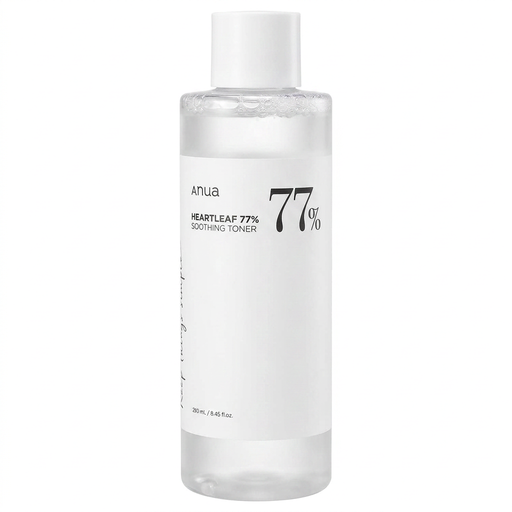
Why It's a Match: This product is aimed at users with easily irritated, redness-prone skin who are looking for a minimalist and calming product to stabilize the skin barrier.
This toner avoids the trap of misleading marketing terms. Instead of advertising with vague "natural" promises, it relies on a high concentration (77%) of a specific ingredient known for its calming effect: Houttuynia Cordata Extract.
The formula is minimalist and free of fragrance and alcohol. In addition to Heartleaf Extract, it contains other soothing ingredients like Panthenol and Centella Asiatica Extract, making it a targeted solution for sensitive skin.
We've compiled a complete, up-to-date list of products that meet these strict selection criteria.
1. Do you have to apply toner with a cotton pad? That depends on the product type and the desired effect. For a clarifying toner with acids (AHA/BHA), a cotton pad is useful as it helps to mechanically wipe away loosened skin cells. For a hydrating or soothing toner, especially products with a slightly viscous texture like many Korean toners, applying it with clean hands is often more beneficial. This wastes less product, and gently patting it in can enhance absorption.
2. What is the difference between a facial water, toner, and facial lotion? The terms are often used interchangeably, which can cause confusion. Traditionally, a Gesichtswasser (facial water) in the German-speaking world was often an astringent, alcohol-based product for post-cleansing. The term toner comes more from the Anglo-American and Asian markets and usually refers to a hydrating, conditioning step. A facial lotion, especially in the context of Japanese cosmetics, is often a very fluid, lightweight moisturizer that is similar in function to a hydrating toner. Instead of focusing on the name, you should always check the product's function and ingredient list.
3. How often should I use a toner with acids (AHA/BHA)? The frequency of use depends heavily on the concentration of the acids and your individual skin tolerance. As a general rule: start by using it two to three times a week, preferably in the evening. Observe how your skin reacts. If no irritation occurs, you can slowly increase the frequency. Some products with very low concentrations are designed for daily use. Always follow the manufacturer's instructions and consistently use sunscreen during the day, as acids can make the skin more sensitive to light.