
Lieferung heute & morgen

Qualitätsgarantie

Willkommens-Angebote freischalten: KOSTENLOSE Lieferung | Bis zu 80 % RABATT | Kostenlose 30-Tage-JoyPlus-Testphase
App herunterladen
A facial toner can be a useful addition to your daily skincare routine. It is applied after cleansing and, depending on the formulation, can provide extra hydration, a pleasant skin feel or gentle care with selected active ingredients. However, the choice is vast. Terms such as “glow”, “refined pores” or “deep hydration” alone reveal little about whether a product actually suits your individual needs.
As a Joybuy Product Recommendation Officer, I therefore filter the relevant product information and show you which features really matter when buying.
A classic facial toner is applied after cleansing and usually remains on the skin. Facial cleansing water, such as micellar water, is primarily used to remove make-up, sun cream or dirt. It does not automatically replace thorough facial cleansing and should not be treated as equivalent to every hydrating toner.
Before buying, it is therefore important to be clear about whether you want hydration, a gentle exfoliating effect or additional cleansing.
A toner containing niacinamide, hyaluronic acid, ceramides or plant extracts may offer interesting benefits. However, what matters is the complete INCI list and how well it fits with your existing routine. Using an AHA-BHA product, a retinoid and other active skincare products at the same time can place unnecessary stress on your skin.
For sensitive skin, it is worth comparing the ingredients briefly and carrying out a cautious application test. Product descriptions can also change, so the ingredient list on the packaging is the definitive source.
A rich, milky toner may feel pleasant on dry skin, while a very lightweight texture may be better suited to oily or combination skin. A toner for sensitive skin should ideally have a straightforward formulation and avoid unnecessary fragrances if these are not well tolerated individually. Claims such as “alcohol-free” or “non-comedogenic” should also be checked against the specific product information.
A hydrating toner containing glycerin, panthenol or hyaluronic acid can supply moisture to the skin’s surface. Hyaluronic acid alone is not a measure of quality: different forms and the rest of the formula determine how the product feels on the skin.
If you are looking for a toner with niacinamide, check whether the ingredient appears high up on the INCI list. For dry or stressed skin, ceramides, panthenol and moisture-binding substances may be relevant. A toner with hyaluronic acid often suits a routine where a lightweight hydrating serum is desired.
An AHA-BHA toner contains exfoliating acids. AHA, such as glycolic acid, is typically associated with the skin’s surface; BHA, such as salicylic acid or betaine salicylate, is often chosen for blemish-prone skin or skin prone to congested pores. These products should be introduced gradually. During the day, a suitable sun cream should form part of your routine, as your skin may become more sensitive to sunlight.
A larger bottle is not automatically more economical if you do not use the texture regularly or fail to observe its shelf life after opening. Check the following:
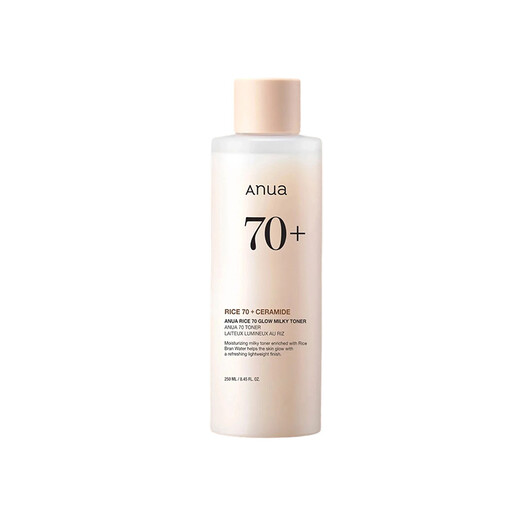
Why this product suits the profile: The 250 ml bottle and milky, fast-absorbing texture are suitable for a straightforward morning and evening routine. According to the product description, the formula contains rice water, niacinamide, ceramides and several forms of hyaluronic acid.
The product information names specific ingredients and clearly states that it is used after cleansing, rather than relying solely on a general glow promise.
Generous fill quantity, milky lotion texture, plus niacinamide, ceramides and hyaluronic acid according to the INCI information.
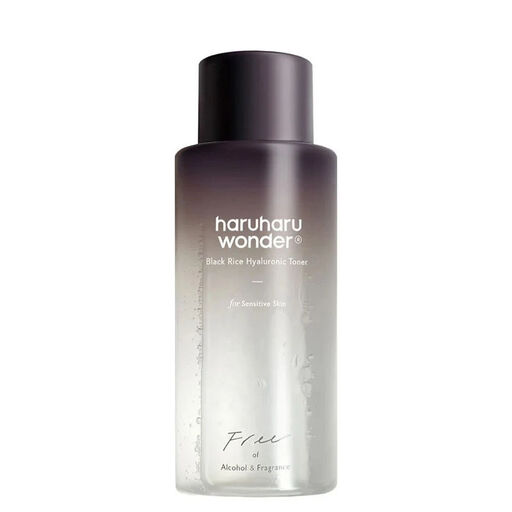
Why this product suits the profile: The watery texture and focus on sensitive skin suit a minimalist Korean skincare routine without numerous consecutive active-ingredient steps.
The product description explicitly mentions black rice extract and hyaluronic acid. If you want to avoid fragrances, you should also check the current packaging information.
Lightweight texture, application with your hands or a cotton pad, and a focus on hydration with hyaluronic acid.
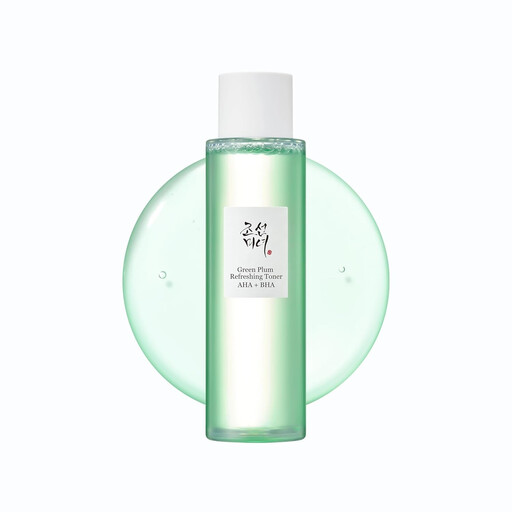
Why this product suits the profile: For users who want to incorporate an AHA-BHA toner into their routine for a specific purpose. The product information lists glycolic acid, salicylic acid, plum water and mung bean extract.
The acids it contains are clearly named. This makes it easier to manage the rest of your active skincare and helps you avoid using it too frequently.
A combination of AHA and BHA, plus 150 ml of product; the usage instructions recommend sun protection.
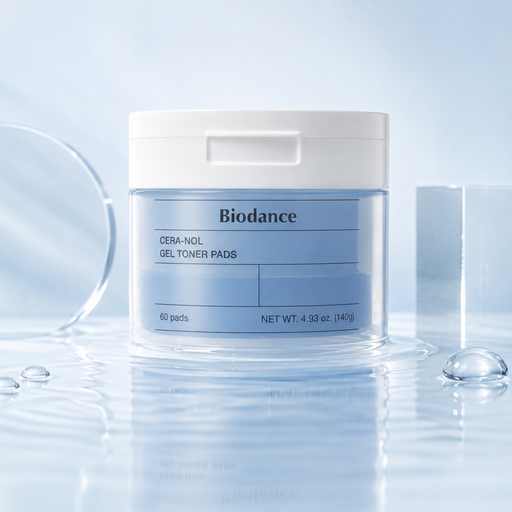
Why this product suits the profile: Pre-soaked gel pads reduce individual preparation steps and are easy to pack for travelling or your morning routine. According to the product description, they contain hyaluronic acid, ceramides, panthenol and allantoin.
The quantity of 60 pads is clearly stated. This makes it easier to estimate usage than with a bottle without a clear dosing aid.
Convenient pad application and clearly stated hydrating and barrier-supporting ingredients according to the product information.
We have put together a complete, regularly updated list of products that fully meet these strict selection criteria and the safety regulations applicable in the EU.
Apply your facial toner to dry or slightly damp skin after cleansing. Depending on the texture, you can use your hands or a cotton pad. If you are using a toner for blemishes or an AHA-BHA toner, it is best to start with infrequent use, for example on individual evenings. Do not combine several exfoliating products without careful consideration.
If you have sensitive skin, test the product on a small area first. Burning, persistent redness or a rash are reasons to stop using it. Cosmetics are not a substitute for dermatological advice and are not intended to treat skin conditions.
Facial toner is usually applied after cleansing. Depending on the formulation, it can add hydration, prepare the skin for further skincare or contain exfoliating ingredients. Its specific function can be determined from the INCI list and usage instructions.
That depends on the formulation and your individual tolerance. A short ingredient list without fragrances may make your choice easier, but it cannot guarantee personal compatibility. New products should be introduced gradually and initially tested on a small area of skin.
Refer to the PAO symbol on the packaging, such as the open jar symbol showing a number of months. You should also observe the printed best-before date, batch number and recommended storage conditions. Changes in smell, colour or consistency may indicate that the product should be disposed of.