
Lieferung heute & morgen

Qualitätsgarantie

Willkommens-Angebote freischalten: KOSTENLOSE Lieferung | Bis zu 80 % RABATT | Kostenlose 30-Tage-JoyPlus-Testphase
App herunterladen
Choosing a facial toner can be a challenge given the abundance of products and marketing promises. Many users invest in products that don't suit their skin type or are based on exaggerated advertising claims. The result is often not the desired improvement in their complexion, but frustration and unnecessary expense. Before you make a decision, it's important to be aware of a few common pitfalls.
A frequent problem is the belief in "one-size-fits-all" solutions. A clarifying toner formulated for oily skin can strip essential lipids from dry skin, causing further dehydration. Conversely, a rich, hydrating toner can clog pores on acne-prone skin. Another pitfall is focusing on a single, popular active ingredient without considering the overall formulation. A product might contain hyaluronic acid, but also a high concentration of irritating alcohol that weakens the skin barrier.
To make an informed decision, you should focus on objective criteria rather than marketing buzzwords. The following parameters are crucial for a toner's effectiveness and compatibility.
The ingredients list is your most important guide. Look for active ingredients that are tailored to your skin's specific needs.
The term "alcohol" on the INCI list (International Nomenclature of Cosmetic Ingredients) often causes confusion. It's important to distinguish between different types of alcohol:
An alcohol-free toner (referring to the short-chain varieties) is a safe and beneficial choice for most skin types, particularly for dry and sensitive skin.
Instead of making a blanket recommendation, we have identified products tailored to specific user profiles and their needs.
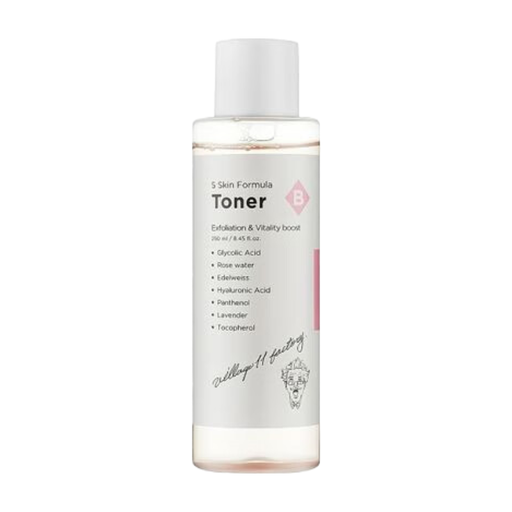
Why This Fits Their Persona: Perfect for those with oily or combination skin looking for a solution to prevent blemishes and refine pores without drying out the skin. Its lightweight formula is suitable for daily use.
This product avoids the trap of a one-dimensional effect. Instead of relying solely on acids, it combines the AHA BHA toner effect with hydrating (Panthenol, Sodium Hyaluronate) and soothing (Centella Asiatica) ingredients.
The mild combination of Glycolic Acid (AHA) and Salicylic Acid (BHA) provides gentle yet effective exfoliation. The skin is clarified and its texture refined, all while maintaining moisture balance.
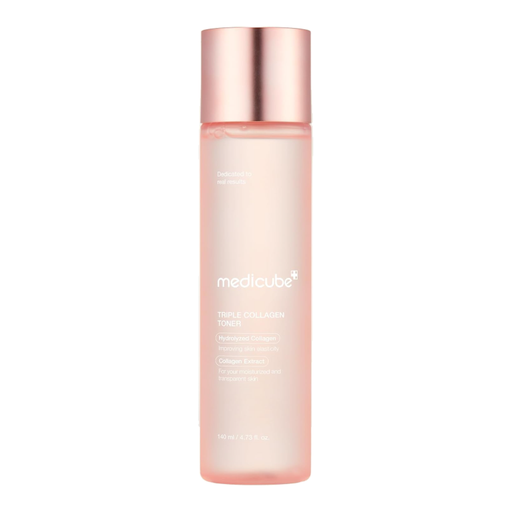
Why This Fits Their Persona: Developed for users who want more than just hydration. This anti-ageing toner aims to improve skin firmness, brighten the complexion, and intensely nourish dry skin.
Instead of relying on a single "miracle ingredient," this toner offers a comprehensive solution. It combines various types of collagen, hyaluronic acid derivatives, and niacinamide for a multi-dimensional approach to skincare.
The Triple Collagen Complex works in synergy with Niacinamide and Hyaluronic Acid to boost skin elasticity, even out skin tone, and provide deep, long-lasting hydration.
We have compiled a complete, up-to-date list of products that fully meet these strict selection criteria and comply with current safety regulations.
Using a toner isn't a mandatory step, but it offers significant benefits. It removes the last traces of makeup or cleansers, helps restore the skin's natural pH balance after cleansing, and optimally prepares the skin for the absorption of subsequent skincare products like serums and creams. A well-chosen toner can boost the effectiveness of your entire skincare routine.
Traditionally, a toner's primary purpose was post-cleansing and pH balancing. An essence is typically more concentrated, containing a higher density of active ingredients for hydration and treating specific skin concerns. However, the lines are increasingly blurring, as many modern toners, especially Korean toners, have essence-like, nourishing properties. Ultimately, the key is to always check the ingredients list and the concentration of active ingredients.
The frequency of use depends on the concentration of the acids and your skin's individual tolerance. It is recommended to start by applying it two to three times a week, preferably in the evening. Observe how your skin reacts. If no irritation occurs, you can slowly increase the frequency. When using exfoliating acids, daily application of a broad-spectrum sunscreen is essential, as your skin can become more sensitive to light.