
Lieferung heute & morgen

Qualitätsgarantie

Willkommens-Angebote freischalten: KOSTENLOSE Lieferung | Bis zu 80 % RABATT | Kostenlose 30-Tage-JoyPlus-Testphase
App herunterladen
Facial toner pads combine a liquid skincare formula with a pre-soaked pad. This means there’s no need to measure out toner, and they’re easy to fit into your morning or evening routine. Depending on the formula, toner pads can help hydrate the skin, gently remove dead skin cells or care for oily skin.
Choosing the right ones can be tricky. Terms such as ‘refining pores’, ‘glow’ or ‘soothing’ don’t automatically mean a formula is right for you. If you’re looking to buy facial pads, consider the material, ingredients and directions for use together.
A noticeably textured surface can help loosen dead skin cells through mechanical exfoliation. However, too much friction can feel uncomfortable on sensitive, red or dry skin. A pad should glide over your skin without pressure. Smooth or softly textured facial pads are often a gentler choice.
AHA, BHA, PHA and LHA each serve different purposes. A combination of several acids isn’t automatically suitable for daily use. Alcohol, fragrances and essential oils may also be a concern for some skin types. That’s why the full INCI list on the packaging is more informative than a single marketing claim.
When comparing toner pads, also consider the number of pads, pad size and how well they’re soaked. A tub containing plenty of liquid can be inconvenient if the pads dry out quickly or are difficult to remove. A tightly closing lid and hygienic removal, for example with an included pair of tweezers, are important details for everyday use.
For skin that lacks moisture, ingredients such as glycerin, panthenol, betaine or hyaluronic acid may be suitable. If you’re looking for Korean toner pads with gentle exfoliation, you’ll often find PHA or gluconolactone on the INCI list. BHA, salicylic acid or LHA are sometimes used to care for skin with visible excess oil or pores that appear congested.
These ingredients don’t guarantee a particular result. Concentration, your individual tolerance and how often you use the pads all matter. If your skin is already feeling stressed, test the product on a small area first.
A double-sided pad often has one textured side and one smooth side:
Avoid using acid-based facial pads at the same time as lots of other exfoliating products. After using an AHA or BHA product, it’s a good idea to apply sunscreen with a suitable SPF during the day.
70 pads will last around ten weeks with daily use; 90 pads will last longer. This is only a rough calculation, as some people use pads on selected days only. Close the container straight after removing a pad. Store the products in a cool, dry place, away from direct sunlight.
Follow the manufacturer’s instructions if the product gets into your eyes or comes into contact with your lips. Stop using it if you experience burning, redness, a rash or persistent irritation. Cosmetic pads aren’t intended to treat dermatological conditions.
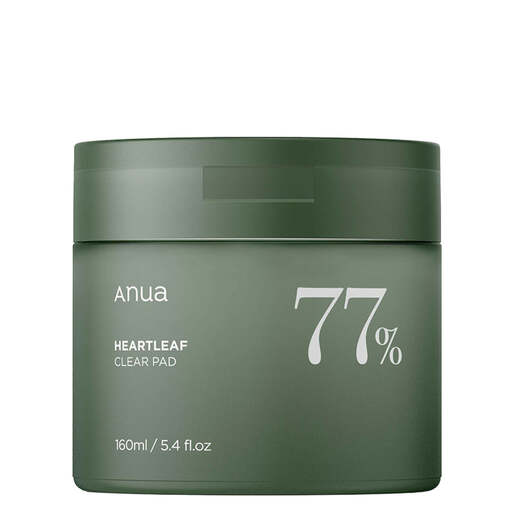
Why it suits this profile: With 160 ml of liquid and two ways to use the pads, it’s a good fit for anyone looking for a simple K-beauty skincare step after cleansing.
The instructions describe one textured side and one smooth side, so you can control how much friction you apply.
Contains Houttuynia Cordata extract and gluconolactone; product information states that it’s made in South Korea.
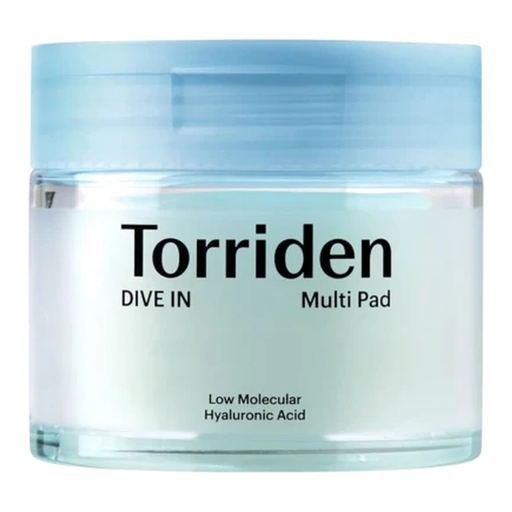
Why it suits this profile: With two different sides and 80 pads, it can be used as a hydrating facial pad or briefly applied to dry areas.
The product description explains that the pad has a smooth side and a textured side, and gives specific instructions for use rather than promising only a general skincare benefit.
The listed INCI ingredients include several forms of hyaluronic acid, panthenol, allantoin and Ceramide NP.
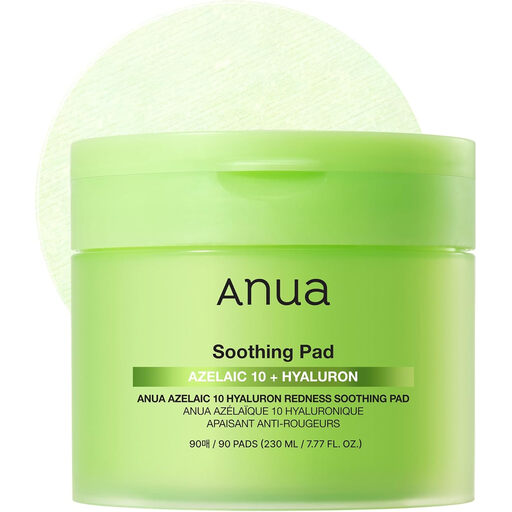
Why it suits this profile: With 90 pads and 230 ml of product, it’s a good option if you regularly care for specific areas of your face or want to use pads as a mask from time to time.
The instructions recommend leaving the pads on for 10–20 minutes and specifically advise checking that the product is suitable for your skin.
Product information lists azelaic acid, several forms of hyaluronic acid, panthenol and Ceramide NP.
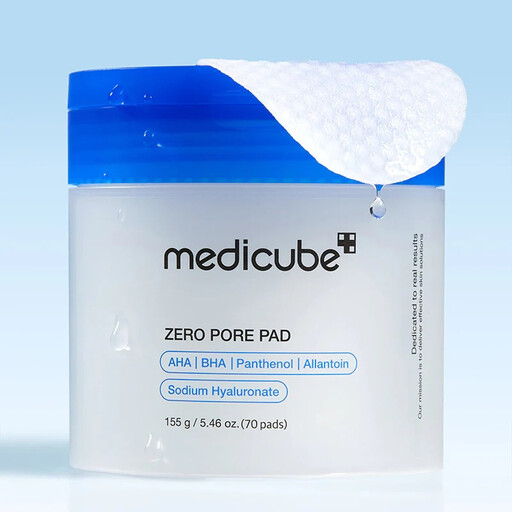
Why it suits this profile: According to the product description, the formula uses PHA, making it an option for anyone looking for a gentler exfoliating pad than more acid-heavy alternatives.
The product information highlights PHA instead of stronger acids, as well as a smooth side for spreading the skincare essence afterwards.
70 pads, panthenol and Portulaca Oleracea extract; the product description states that the formula is designed to be hypoallergenic.
We’ve put together a complete, regularly updated list of products that meet these strict selection criteria and fully comply with the safety regulations in force in the EU.
If you have sensitive skin, start by using the pads less often. Don’t use exfoliating pads containing AHA, BHA, PHA or LHA at the same time as other exfoliating products. If a product contains fragrances, alcohol or essential oils, it’s a good idea to test it on a small area of skin first.
It depends on the formula. Hydrating facial pads without exfoliating acids can often be used daily, provided your skin tolerates them. Exfoliating pads are best used less frequently. Follow the instructions on the packaging and pay attention to how your skin responds.
Some pads are designed for gentle use and may contain panthenol, allantoin, hyaluronic acid or PHA. Even so, everyone’s skin can react differently. If you’re using pads for blemishes or pore cleansing that contain acids, start especially cautiously and watch for signs of irritation.
The period after opening is shown on the packaging. Keeping the container tightly closed, using clean hands or tweezers to remove the pads, and storing them away from direct sunlight can help prevent them from drying out. If the smell, colour or texture changes, stop using the product.