
Lieferung heute & morgen

Qualitätsgarantie

Willkommens-Angebote freischalten: KOSTENLOSE Lieferung | Bis zu 80 % RABATT | Kostenlose 30-Tage-JoyPlus-Testphase
App herunterladen
Facial toner pads combine liquid toner with a pre-soaked cotton or non-woven pad. After cleansing, they can hydrate your skin, pick up residue or – depending on the formula – provide an extra exfoliating step. They’re convenient, but not every facial toner pad suits every skin type or skincare routine.
Many Korean toner pads are designed for daily use. However, if the formula contains AHA, BHA, PHA, LHA or other exfoliating ingredients, individual tolerance can vary considerably. Frequent use and vigorous rubbing may feel uncomfortable on dry or sensitive skin.
Check the specific combination of active ingredients, and start with exfoliating toner pads just a few times a week. A claim such as “suitable for all skin types” is no substitute for checking the INCI list.
Vitamin C, niacinamide, Cica, hyaluronic acid and azelaic acid may sound straightforward, but the full formula, pad texture and rest of your routine all matter. Vitamin C toner pads, for example, may also contain acids, alcohol or fragrance. This combination won’t necessarily suit sensitive skin.
You should also avoid automatically combining pore pads containing BHA or LHA with other exfoliants, retinoids or highly active serums.
A jar containing 60 or 70 pads may seem generous. But the total contents, pad size and quality of the seal also matter. If the pads dry out before you finish them, they’re less useful. Check:
For dry skin, hydrating toner pads with glycerin, betaine, panthenol or hyaluronic acid may be a better choice. Cica, Centella Asiatica and madecassoside are often used in Cica toner pads for a gentler skincare routine.
If you have oily or blemish-prone skin, toner pads for blemishes containing BHA, PHA or LHA may be worth considering. BHA is oil-soluble, so it’s often used in formulas designed for pore and sebum care. PHA is generally considered a larger group of acids with a milder profile, but it’s still best to introduce it gradually.
For uneven-looking skin tone, options include niacinamide toner pads and vitamin C formulas. Cosmetic products can help care for the skin’s appearance, but this shouldn’t be taken as a claim of medical benefit or treatment for skin conditions.
A textured side can help gently lift away residue or flakes of skin. The smooth side is usually better for applying or distributing the essence. If you have sensitive skin, glide the pad over your skin without applying pressure.
After cleansing, sweep the pad over your face and, if desired, your neck. Avoid the eye and lip area. To use as a mask, place the pad on selected areas for just a few minutes, then gently pat in the remaining essence.
Before using the product all over your face for the first time, try a patch test on a small area of skin. Stop using it if you experience burning, persistent redness or itching. Avoid using acid-based AHA-BHA-PHA pads at the same time as several other exfoliating products.
If you use AHA or BHA products in the morning, include a sunscreen with an appropriate SPF in your routine. Always check the current ingredients list on the packaging, as formulas can change.
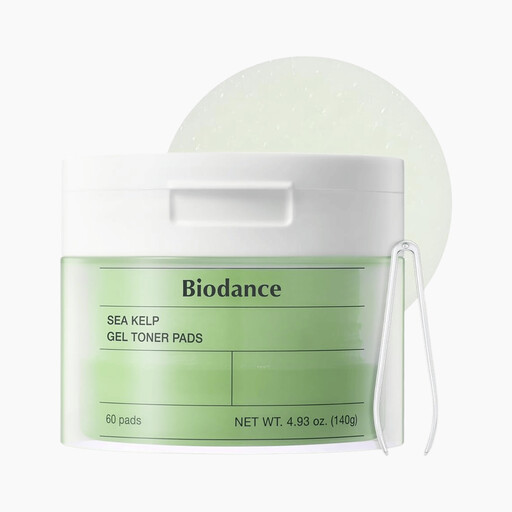
Why this product suits this profile: These gel pads are designed for straightforward hydration after cleansing and can also be left on selected areas of the face for a short time.
The listed formula doesn’t include any specified AHA or BHA acids. This makes it easier to understand what you’re starting with, though you should still check the current INCI list.
60 pads, 140 g of product and a gel texture for use as a toner or a short-contact mask.
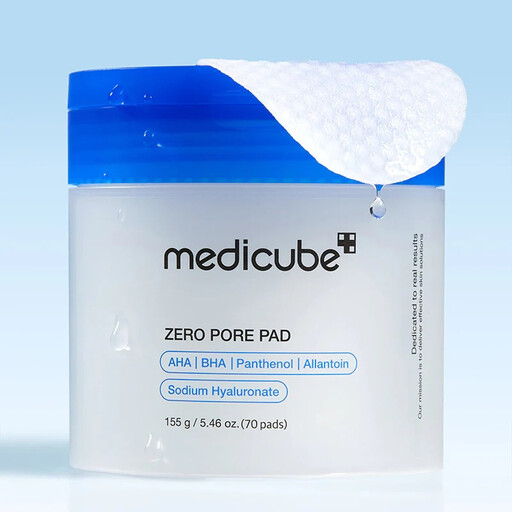
Why this product suits this profile: The double-sided design lets you start with the textured side and follow with the smooth side. It’s aimed at users who want to choose the texture and application step to suit their needs.
PHA is the main acid in the listed formula. This makes the choice of acid clearer than with a product containing several exfoliating ingredients that aren’t clearly identified.
70 pads, PHA, panthenol and purslane extract according to the product information provided; textured and smooth sides.
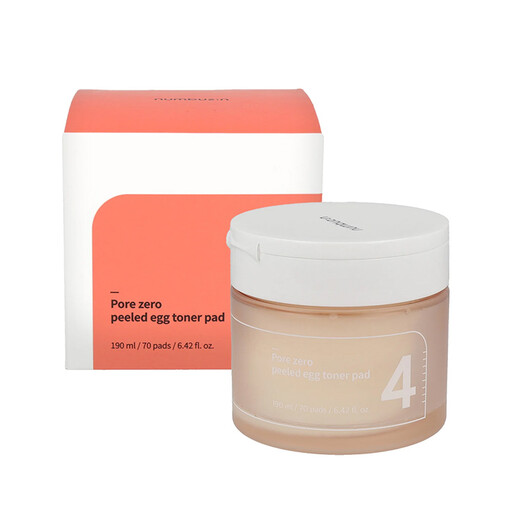
Why this product suits this profile: This pad is designed for oily skin or skin prone to visible pores, and can be targeted to the T-zone.
PHA and LHA are specifically listed in the product information. If you’re looking for exfoliating pore pads, you can check which acids they contain before buying.
70 pads, 190 ml and a fragrance-free claim; ingredients include betaine and sodium hyaluronate.
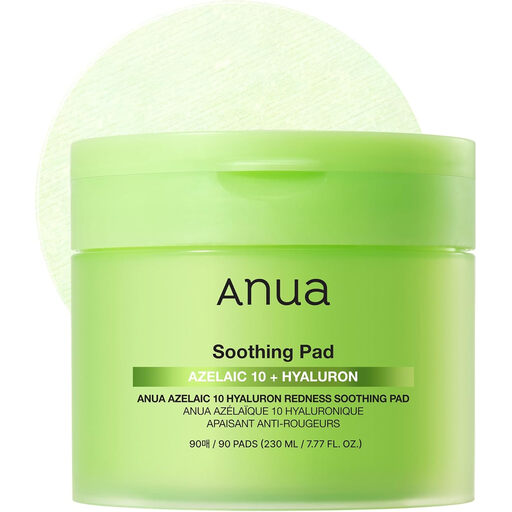
Why this product suits this profile: The formula combines several humectants with panthenol, Centella and hyaluronic acid. It’s designed to be applied to selected areas for a short time.
The listed INCI list is extensive and includes ceramide NP and several forms of hyaluronic acid as well as azelaic acid. Check the packaging for the current formula before buying.
90 pads, 230 ml and a combination of azelaic acid, panthenol, Centella, ceramide NP and hyaluronic acid according to the product information.
We’ve put together a complete, regularly updated list of products that meet these strict selection criteria and fully comply with the safety regulations in force in the EU.
Keep the jar tightly closed in a dry place away from direct sunlight. If the pads dry out, they won’t work as intended.
Hydrating toner pads without exfoliating ingredients can be used more often, depending on how well your skin tolerates them. For AHA, BHA, PHA or LHA products, it’s best to start slowly, with just a few applications a week. Follow the instructions on the packaging and use them less often if irritation occurs.
It depends on the full formula. Toner pads for sensitive skin should ideally have a straightforward formula and avoid combining several highly active exfoliating ingredients, fragrance or drying ingredients. A patch test and gentle application without rubbing are recommended.
Check the printed expiry date and the symbol showing how long the product lasts after opening. Close the jar straight after each use. If the product’s smell, appearance or feel on your skin changes, stop using it.