
Lieferung heute & morgen

Qualitätsgarantie

Willkommens-Angebote freischalten: KOSTENLOSE Lieferung | Bis zu 80 % RABATT | Kostenlose 30-Tage-JoyPlus-Testphase
App herunterladen
A facial toner can add moisture after cleansing, prepare the skin for further skincare or – depending on the formula – help remove make-up residue and excess sebum. At the same time, the choice can be confusing: facial water, Korean facial toner, K-Beauty toner and micellar water are often presented in similar ways, but they do not serve the same purpose.
Micellar Cleansing Water is primarily a cleansing product. It can loosen make-up, dirt and certain waterproof residues using a cotton pad. A toner for sensitive skin, on the other hand, is normally applied after cleansing the face and remains on the skin as part of your skincare routine.
If you use micellar water like a hydrating toner, you may skip the actual cleansing step or choose a product that does not suit your skincare goal. With heavier make-up, it may also be sensible to cleanse again, even if the product states that it is “no-rinse”.
An AHA BHA toner or exfoliating toner often contains acids such as glycolic acid or salicylic acid. These ingredients can loosen dead skin cells and support skin-surface or pore care. However, they are not automatically suitable for daily use or every skin concern.
When choosing a toner for blemish-prone skin, pay attention to the specific directions, type of acid and warnings. If your skin is irritated, damaged or very sensitive, use it cautiously. During the day, sun protection is recommended when using AHA and BHA products, as the skin may become more sensitive to UV radiation.
An alcohol-free toner may appeal to people who want to avoid drying formulas. However, suitability depends on the complete ingredients list. Fragrances, essential oils, plant extracts and acids can also be relevant for sensitive skin. Always check the current INCI list on the packaging and, with new products, carry out a patch test on a small area of skin first.
If you want to buy a Korean facial toner, do not rely solely on terms such as “Glass Skin”, “Glow” or “Miracle”. The specific ingredients listed and the directions for use are what matter. Also check whether the product is intended for the EU, names a responsible person in the EU and has a best-before date or the relevant marking on the packaging.
For products containing AHA or BHA, information about the eye area, damaged skin, UV protection and possible irritation should form part of your purchasing decision. Ingredients lists can change, so always refer to the current packaging.
A 50 ml toner is suitable for trying a product or taking it on holiday, while 150 to 250 ml may be more practical for a regular routine. Micellar water is often used more generously with cotton pads, which can result in higher consumption. For a more resource-efficient application, a classic toner can often be applied with your hands, provided the manufacturer recommends this method.
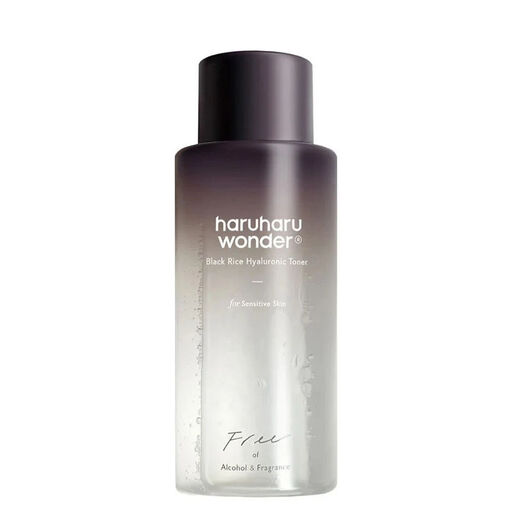
Why this product suits this profile: Its lightweight, watery texture and combination of black rice extract and hyaluronic acid make it suitable for beginners looking for a hydrating step after cleansing.
The product description specifies the intended skin types and use after cleansing. This makes it easy to distinguish the toner from a make-up remover and from acid-based products.
150 ml; hyaluronic acid and black rice extract are listed as key ingredients; suitable for use morning and evening.
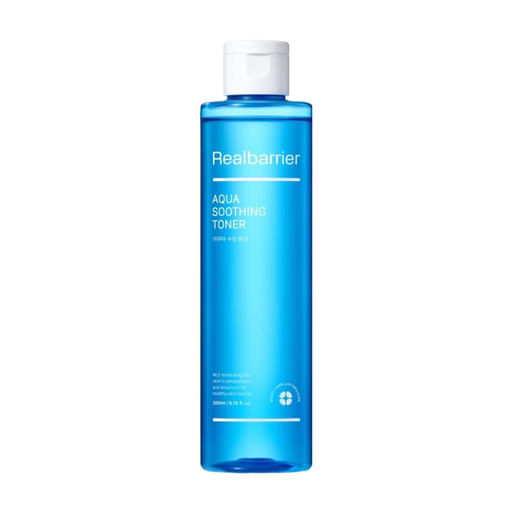
Why this product suits this profile: The formula contains seven forms of hyaluronic acid as well as ceramides, phytosterols and linoleic acid. This makes it appealing to shoppers comparing ingredients and looking for a versatile product.
Rather than relying solely on a general “Cooling” promise, the product information lists specific ingredients and a low pH value. Check the INCI list against the packaging before buying.
200 ml; hyaluronic acid, ceramides and allantoin; can be applied with your hands or a cotton pad.
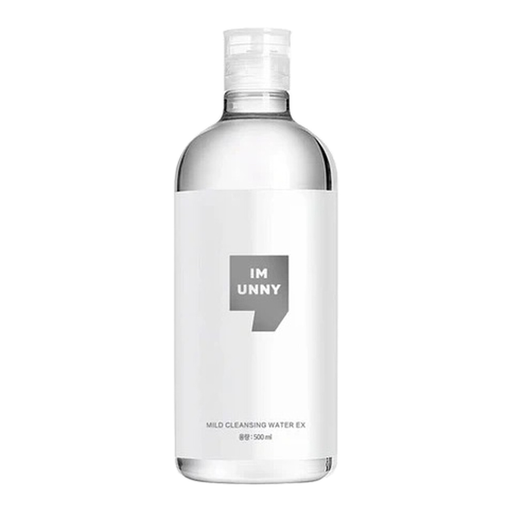
Why this product suits this profile: As micellar water and a make-up remover, it is designed to cleanse the face, eyes and lips. The large bottle is suitable for regular use.
The clear product category prevents cleansing water from being confused with a leave-on toner. For eye or lip make-up, hold the cotton pad in place briefly rather than rubbing vigorously.
500 ml; according to the product description, formulated with green tea, Centella and hyaluronic acid; no rinsing required.
We have put together a complete, regularly updated list of products that fully meet these strict selection criteria and the safety regulations applicable in the EU.
The terms are sometimes used interchangeably by retailers. In practice, facial water often refers to a watery skincare product used after cleansing. Toners may also contain humectants, soothing ingredients or exfoliating acids. The product description and INCI list are what matter.
A hydrating or alcohol-free toner can be used morning and evening, depending on how well your skin tolerates it. With an AHA BHA toner, start by using it less frequently and monitor your skin’s response. Always follow the specific recommendation on the packaging.
Check the best-before date, batch number and, where applicable, the symbol indicating the product’s shelf life after opening. Keep the toner tightly closed, dry and protected from direct sunlight. If its smell, appearance or feel on the skin changes, stop using the product.