
Lieferung heute & morgen

Qualitätsgarantie

Willkommens-Angebote freischalten: KOSTENLOSE Lieferung | Bis zu 80 % RABATT | Kostenlose 30-Tage-JoyPlus-Testphase
App herunterladen
Sensitive skin does not automatically react to every facial toner in the same way. Stinging, tightness or visible redness can occur when a formula contains too many potentially irritating ingredients, or when the skin is put under additional strain through rubbing. If you are looking for a facial toner for sensitive skin, you should therefore look beyond terms such as “soothing” or “Korean toner”.
An advertised percentage can sound convincing, but on its own it says little about how well a product will suit your individual skin. Plant extracts such as heartleaf, aloe or Centella Asiatica can be part of a gentle skincare routine, but they are not equally suitable for everyone. If you have known allergies or highly reactive skin, checking the full INCI list is more important than focusing on one key ingredient.
A moisturising toner can provide ingredients that bind water. However, it does not necessarily replace a cream or lotion, particularly if you have dry skin. Depending on how your skin feels, you should follow toner application with a suitable moisturiser to prevent the moisture from evaporating too quickly.
Products containing AHA, BHA or PHA can be appealing for blemish-prone or rough skin. However, they are not the first choice for irritated, reddened or damaged skin barriers. A toner for redness should initially be applied as gently as possible, without unnecessary friction. With acid-based formulas, suitable sun protection during the day is also advisable.
For sensitive or dry skin, glycerin, panthenol, betaine, hyaluronic acid, ceramides or soothing plant extracts are often relevant. A toner with hyaluronic acid can bind moisture, while ceramides and skin-conditioning lipids can complement care for dry skin. Always check the actual formulation on the product packaging, as INCI lists may change.
If you are specifically looking for a toner with Centella Asiatica, you can find this ingredient, for example, in formulas from ANUA, ISNTREE or SKIN1004. However, Centella Asiatica is no guarantee of a particular skin response. If you are prone to allergies, a patch test on a small area of skin is recommended.
An alcohol-free toner can be an obvious choice for dry and sensitive skin. However, “alcohol-free” does not automatically mean that every other component is gentle. Essential oils, fragrances and certain acids can also be relevant for sensitive skin. You should therefore read the full ingredients list rather than looking only at the front of the packaging.
Watery textures usually absorb quickly and can be layered. Milky or lightly gel-like toners may be more suitable for dry skin. The fill quantity also affects the actual price per application: 300 to 400 ml is appealing for frequent users, while 150 ml may be more manageable when checking your skin’s tolerance for the first time.
After cleansing, gently press the toner into the skin with your hands or apply it with a cotton pad. Vigorous rubbing is unnecessary for sensitive skin. When using the product for the first time, start with a small amount once a day.
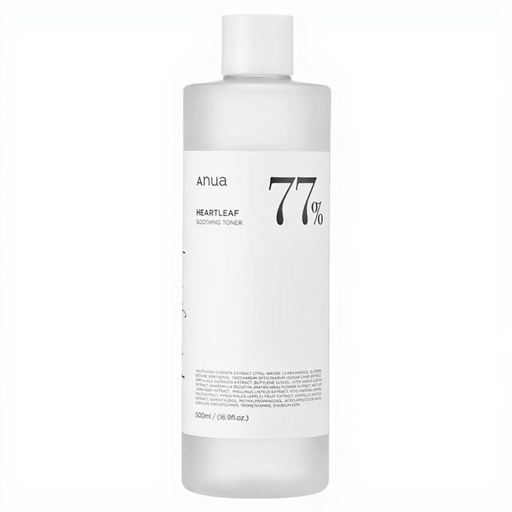
Why this product matches the profile: The 250 ml bottle offers a practical introduction to a simple Korean skincare routine with a watery texture.
The product details state that the formula is fragrance-free and contains heartleaf, glycerin, panthenol and Centella Asiatica extract. The INCI list on the packaging remains the deciding factor.
250 ml contents, a lightweight texture and application with your hands or a cotton pad.
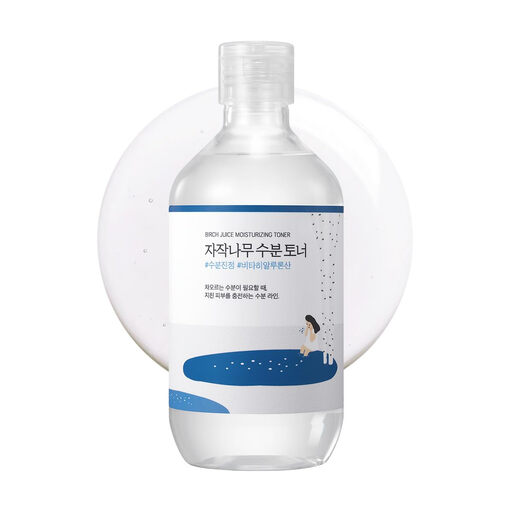
Why this product matches the profile: The combination of birch sap, glycerin, hyaluronic acid, panthenol and allantoin is aimed at users who want to choose their hydration profile in detail.
The product description highlights a water-like texture without synthetic fragrances. If you are known to be sensitive to birch-derived ingredients, caution and a patch test are required.
300 ml contents and several forms of hyaluronic acid according to the stated INCI list.
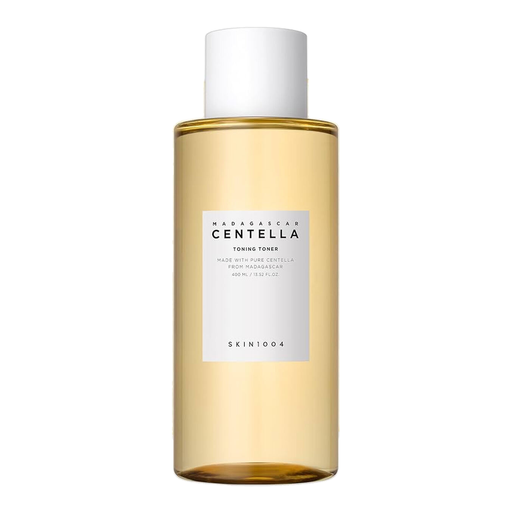
Why this product matches the profile: The large size is suitable for regular use, while the formula combines Centella Asiatica with PHA and niacinamide.
Labelling it as alcohol-free and fragrance-free reduces some common selection risks. Because it contains PHA, it should not initially be used every day on irritated skin.
400 ml contents, PHA, Centella Asiatica and hyaluronic acid according to the product details.
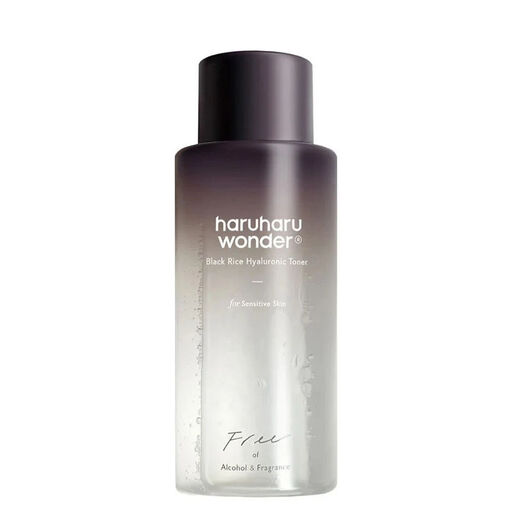
Why this product matches the profile: The compact size and focus on sensitive skin make it easier to take a cautious approach when trying a toner with hyaluronic acid.
The product description mentions a lightweight, watery texture and a streamlined formula. The full INCI list should be checked before buying.
150 ml contents, black rice extract and hyaluronic acid according to the product details.
We have put together a complete, regularly updated list of products that fully meet these strict selection criteria and the safety regulations applicable in the EU.
A toner is an addition to your facial skincare routine, not a substitute for dermatological treatment. If skin problems persist, it may be advisable to seek an assessment from a specialist.
Formulas containing glycerin, panthenol, betaine, hyaluronic acid or ceramides may be suitable. Individual tolerance is the key factor. An alcohol-free toner without strong fragrances can make the choice easier, but it does not replace a finishing moisturiser.
Moisturising toners can often be used in the morning and evening, provided your skin tolerates them. With products containing AHA, BHA or PHA, it is sensible to introduce them more gradually. Follow the product labelling for specific instructions.
Yes, a Korean toner can be used on blemish-prone skin. For sensitive skin, gentle, non-exfoliating formulas are a cautious first choice. Acid-based toners should only be used selectively and in accordance with the manufacturer’s instructions.