
Lieferung heute & morgen

Qualitätsgarantie

Willkommens-Angebote freischalten: KOSTENLOSE Lieferung | Bis zu 80 % RABATT | Kostenlose 30-Tage-JoyPlus-Testphase
App herunterladen
Sensitive skin doesn’t always react straight away. Stinging, tightness or visible redness can appear after several uses. So if you’re looking for a facial toner for sensitive skin, don’t just rely on terms like “Soothing”, “Cica” or “Hyaluron”. What really matters is the full INCI list, the texture, and how you plan to use it.
This selection from the Joybuy Product Recommendation Officer organises Korean and international toners according to clear product features. It is not a substitute for dermatological advice. If irritation persists or your skin changes, stop using the product and consult a doctor if necessary.
A soothing toner may contain centella, aloe, panthenol or hyaluronic acid. But that alone doesn’t tell you whether the whole formulation suits your skin. Essential oils, fragrances or exfoliating acids can be more problematic for some people than a single featured active ingredient.
So check the full ingredients list on the packaging. Product information can change; the current INCI on the product itself is what counts.
A toner for redness is a cosmetic skincare product. Claims like “regenerates”, “repairs” or “anti-inflammatory” should not be taken as medical promises. For the products featured here, such statements refer to the respective product descriptions from the brands or sellers.
A watery Korean facial toner can spread quickly, while an essence toner leaves more hydration and a slight film feel. For dry skin, this texture can be pleasant; for oily or blemish-prone skin, a thinner product may work better.
For an alcohol-free toner or a facial water for sensitive skin, these points are especially relevant:
PHA, AHA and BHA can be used in toners for gentle exfoliation. That isn’t automatically suitable for every sensitive skin type. With products containing acids, start slowly. During the day, appropriate sun protection is advisable. Avoid exfoliating products on irritated or damaged skin.
A toner for blemish-prone skin isn’t necessarily the right choice if you’re also experiencing stinging, flaking or significant sensitivity.
The available sizes in this selection range from 30 ml to 400 ml. A small bottle is good for trying out a product or for travel. Larger versions can be more economical for daily use, provided your skin tolerates the formulation.
Clean hands are usually enough for application. A cotton pad can help with even distribution but uses more product. After cleansing, gently apply the toner to your face and neck. Avoid vigorous rubbing.
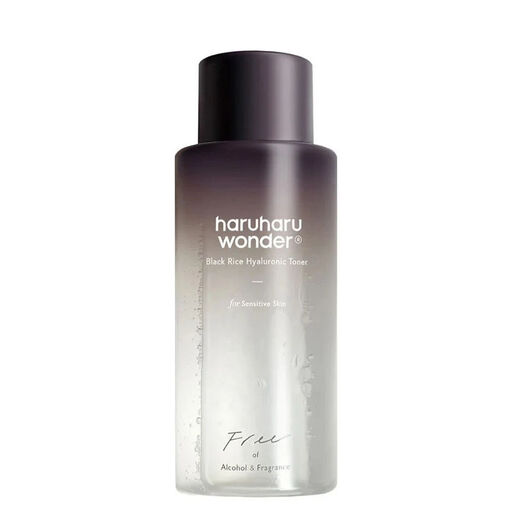
Why it fits: The watery, fast-absorbing texture is designed for a simple morning and evening routine.
The product description highlights black rice and hyaluronic acid, and recommends a light application without a sticky feel. Check the current INCI list before buying.
150 ml content; black rice extract and hyaluronic acid according to product claims; intended for sensitive skin.
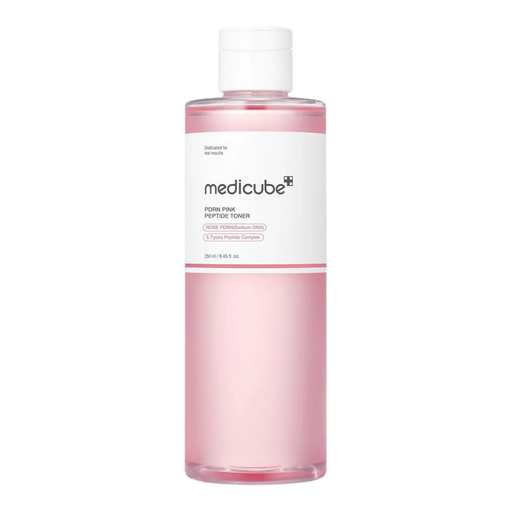
Why it fits: For those looking for a toner with a more comprehensive ingredient list featuring cica, sodium hyaluronate, niacinamide and peptides.
The included ingredients are listed specifically. If you’re actively seeking PDRN or peptides, you can cross-check the packaging details with your own tolerance routine.
250 ml; fragrance-free according to product claims; cica, niacinamide, sodium hyaluronate and several peptides in the stated formulation.
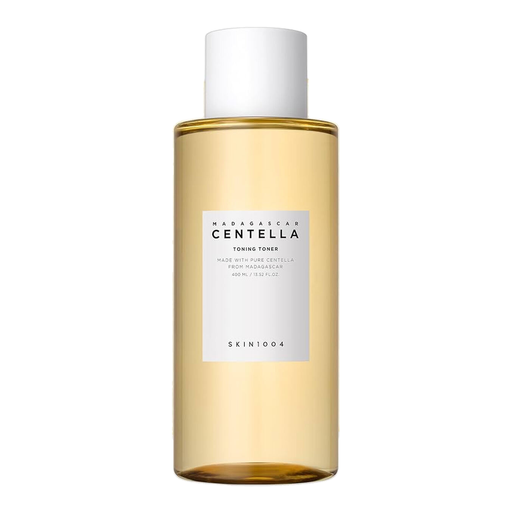
Why it fits: The large 400 ml bottle is aimed at those who use toner regularly and generously.
The formulation is described as alcohol-free and fragrance-free. Because it contains PHA, daily use on sensitive skin should be introduced cautiously.
400 ml; centella asiatica, niacinamide and gluconolactone according to the stated INCI list; described as non-comedogenic.
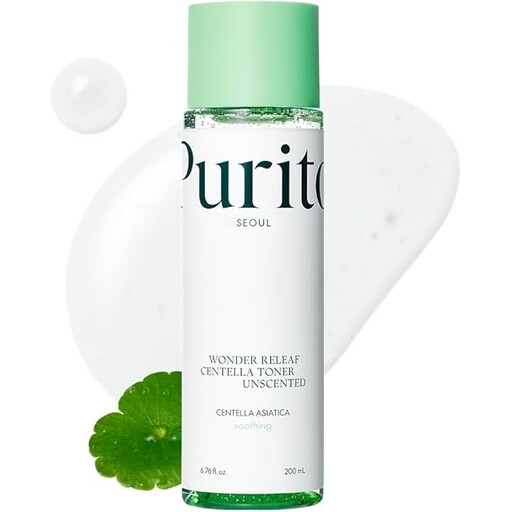
Why it fits: An option for those who prefer an unscented, alcohol-free centella toner.
The product description mentions a fragrance-free formula and centella asiatica. Claims about reducing redness should be understood as seller statements, not medical effects.
200 ml; centella extract; described as alcohol-free, hypoallergenic and fragrance-free.
Our full selection includes more products for different skin profiles and skincare goals. Always check the current product description and INCI list before buying.
The shelf life after opening is shown on the packaging symbol. Bottles should be kept tightly closed, stored in a dry place away from direct sunlight and high temperatures.
Many of the products mentioned are recommended for both morning and evening use according to their instructions. For sensitive or irritated skin, starting with once-daily use in the evening may be more sensible. Your skin’s reaction and the formulation are what matter most.
A cica toner usually contains centella asiatica ingredients and is primarily associated with soothing care. A hyaluronic acid toner focuses more on moisture binding. Both categories can be combined, but neither replaces individual tolerance testing.
That depends on the size, how much you use, and whether you apply it with your hands or a cotton pad. A 150 ml bottle will run out faster with twice-daily use than a 400 ml version. Always check the printed expiry date or PAO symbol, regardless of how much you’ve used.