
Lieferung heute & morgen

Qualitätsgarantie

Willkommens-Angebote freischalten: KOSTENLOSE Lieferung | Bis zu 80 % RABATT | Kostenlose 30-Tage-JoyPlus-Testphase
App herunterladen
A facial toner can replenish moisture after cleansing, prepare the skin for further skincare or, depending on its formulation, provide gentle exfoliation. The selection ranges from classic facial water and hydrating toners to exfoliating toners with AHA, BHA or PHA. However, especially with Korean skincare, the wide range of products does not automatically make it easy to choose the right one.
Terms such as “clarifying”, “pore-refining” or “for spots and blackheads” often describe the intended use rather than a proven effect for everyone. The specific INCI list is what matters. A toner for blemish-prone skin may contain salicylic acid, niacinamide or azelaic acid, for example. A hydrating toner, on the other hand, often relies on glycerine, betaine, panthenol or hyaluronic acid.
An AHA-BHA-PHA toner is not automatically suitable for daily use. AHA is often used for surface exfoliation, while BHA is oil-soluble and is therefore frequently chosen for oily, blemish-prone skin. PHA is considered a gentler type of acid, but it can still cause individual reactions.
Using several exfoliating products, retinoids or heavily fragranced skincare products at the same time may increase the risk of dryness and irritation. An exfoliating toner should therefore be introduced into your routine gradually.
A very watery toner for oily skin may feel pleasantly lightweight, while dry or sensitive skin may prefer a slightly richer texture. Conversely, a highly nourishing toner may feel sticky on oily skin. The packaging also matters: spray bottles are suitable for quick application, while a traditional closure makes it easier to dispense the product into your palms or onto a cotton pad.
For a toner for sensitive skin, a short, clear INCI list and avoiding alcohol or fragrance may be useful selection criteria. Centella asiatica, panthenol, allantoin and betaine are used in many formulations to care for sensitive skin. However, this does not mean that every skin type will tolerate these ingredients equally well.
For a toner for oily skin, niacinamide, BHA or lightweight humectants may fit well into your routine. A high proportion of plant oils or rich emollients, on the other hand, may not feel comfortable on every oily skin type.
Pay attention to the acids and concentrations stated on the product:
When using acid-based products, applying sun protection during the day is recommended. Do not apply them to broken, severely irritated or sunburnt skin. If redness, stinging or a rash persists, discontinue use and seek dermatological advice if necessary.
Facial toner is generally applied after cleansing. Depending on the product, it can be dispensed onto a cotton pad or pressed directly into the skin using your palms. Check the following before buying:
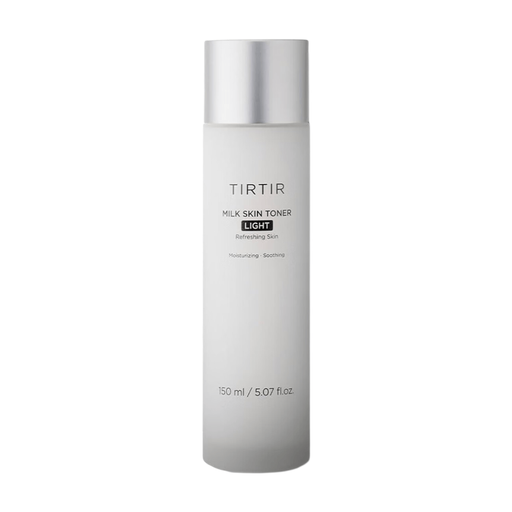
Why this product suits this profile: Its lightweight texture and stated suitability for oily, sensitive and blemish-prone skin make it a good fit for a straightforward Korean skincare routine in the morning and evening.
According to the product description, the formulation is free from alcohol, parabens, sulphates and fragrance. This makes it easier to choose for people who want to avoid certain additives.
150 ml content; according to the product details, vegan, non-comedogenic and formulated with glycerine, panthenol, allantoin and Sodium PCA.
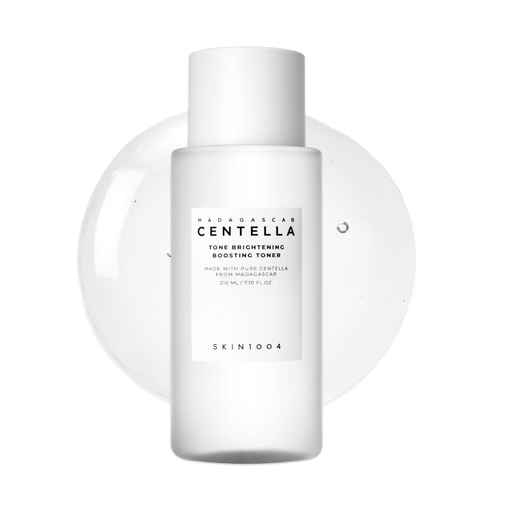
Why this product suits this profile: The 210 ml bottle and lightweight, watery consistency are ideal for users looking for a daily toner focused on hydration and a more even-looking complexion.
The product description names specific ingredients such as Centella asiatica, niacinamide, panthenol and fruit extracts. Even so, the current packaging information should be checked before use.
210 ml content; according to the product details, with a lightweight texture, Centella asiatica, niacinamide and a fruit extract blend.
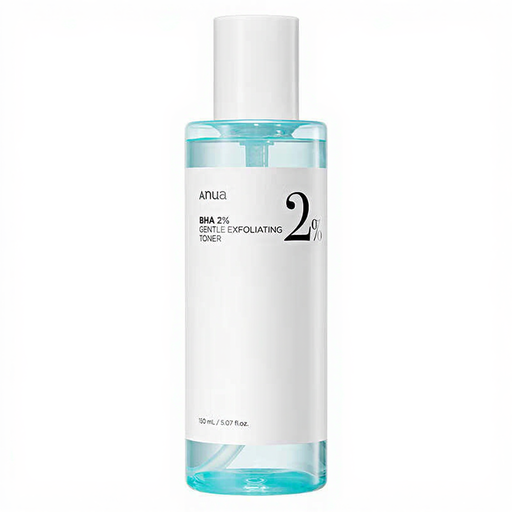
Why this product suits this profile: This BHA toner is aimed at users who want to add a targeted exfoliating product to their routine and initially limit use to every two or three days.
The usage instructions explicitly recommend starting with an application every two or three days. This helps avoid increasing the frequency too quickly.
150 ml content; according to the product details, with betaine salicylate, niacinamide, panthenol, Ceramide NP and several forms of hyaluronic acid.
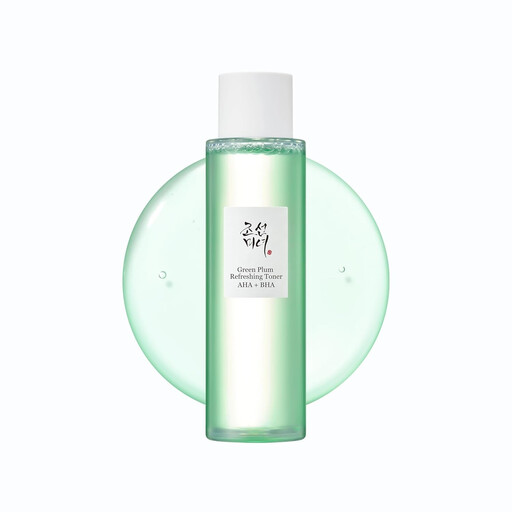
Why this product suits this profile: The combination of AHA and BHA suits a routine where texture and pore care are important. Use should be adapted to your personal tolerance.
The product information points to glycolic and salicylic acid, as well as the need to use sun protection. This makes it easier to place the product within a responsible routine.
150 ml content; according to the product description, with green plum water, mung bean extract, AHA and BHA.
We have put together a complete, regularly updated list of products that fully meet these strict selection criteria and the safety regulations applicable in the EU.
A toner for spots and blackheads is not a substitute for dermatological treatment. If you experience severe, painful or persistent changes to your skin, seeking medical advice is recommended.
Depending on the product, a hydrating toner can be used in the morning and evening. With an exfoliating toner, the frequency depends on the type and concentration of acid, as well as your skin’s tolerance. Always follow the instructions on the packaging.
The terms are often used in a similar way by German retailers. “Facial water” generally refers to a product used after cleansing, while “toner” may also offer hydrating, soothing or exfoliating benefits. The formulation itself is what matters, not the product name.
For this combination, a lightweight, alcohol-free toner with soothing and hydrating ingredients may be a suitable starting point. A BHA or PHA product should be introduced carefully. Check the INCI list and test the product on a small area of skin first.