
Lieferung heute & morgen

Qualitätsgarantie

Willkommens-Angebote freischalten: KOSTENLOSE Lieferung | Bis zu 80 % RABATT | Kostenlose 30-Tage-JoyPlus-Testphase
App herunterladen
A facial toner can replenish moisture after cleansing, prepare the skin for further skincare or, depending on its formula, contain clarifying ingredients. The choice ranges from lightweight facial waters and Korean toners to rich essence lotions and toner pads.
The challenge is that marketing terms such as “glow”, “deep cleansing” and “barrier protection” reveal little on their own about whether a product suits your skin. Buying based solely on promises or packaging design risks choosing an unsuitable texture, causing unnecessary irritation or investing in skincare that never becomes part of your daily routine.
A facial toner may be described as suitable for all skin types, yet texture, alcohol content, fragrances and acids can vary considerably. Dry skin often benefits from a moisturising formula containing glycerine, panthenol or hyaluronic acid. Oily or blemish-prone skin may be more comfortable with a lightweight, non-greasy texture.
If you have sensitive skin, you should also check the full INCI list. “Gentle” or “soothing” is not a standardised product characteristic. Fragrances, essential oils, plant extracts and acids may be tolerated differently from person to person.
A toner containing niacinamide, hyaluronic acid, AHA, BHA, vitamin C derivatives and numerous plant extracts may sound versatile. However, what matters is whether this combination works with your existing routine. If you already use an acid serum or retinoid, you should not add an exfoliating toner without careful consideration.
When using AHA-BHA toners, start slowly, monitor your skin and apply sun protection during the day. Stop using the product if you experience burning, persistent redness or itching.
A classic facial water may remove any residue left behind after cleansing. A clarifying toner containing AHA or BHA, on the other hand, works with exfoliating ingredients. These are different product categories. A toner does not replace cleansing or medical treatment for skin concerns.
Water-based formulas usually absorb quickly and are suitable for oily, normal or combination skin. Milky lotions and gel-like toners provide richer care. For dry skin, applying several thin layers of a hydrating toner may be more practical than using one very rich texture.
Look for ingredients such as glycerine, panthenol, beta-glucan, ceramides and hyaluronic acid. A toner containing hyaluronic acid can bind water to the skin; applying a cream or emulsion afterwards is a sensible way to complete your skincare routine.
An AHA-BHA toner may contain glycolic acid as its AHA and salicylic acid or betaine salicylate as its BHA. AHA is often associated with the skin’s surface, while BHA is linked to pore-focused care. Actual tolerance depends on the concentration, pH value and your individual skin.
When using a clarifying toner, start with just a few applications per week. Do not use it at the same time as several potentially irritating active products. The instructions on the packaging should always take precedence.
Do not compare bottle size alone; also consider the recommended amount and packaging. A 300-ml bottle may be more economical for a daily routine, while 50 or 150 ml can be more convenient for travelling or trying a product for the first time. Toner pads eliminate the need for a separate cotton-pad step, but create more packaging waste.
Also check the PAO symbol, batch number and current ingredients list on the product. INCI lists can change. If you have sensitive skin, it is advisable to carry out a patch test on a small area of skin before using the product fully for the first time.
The following selection does not rank products in a broad, one-size-fits-all order. Instead, it groups them by formula, texture and specific usage profile.
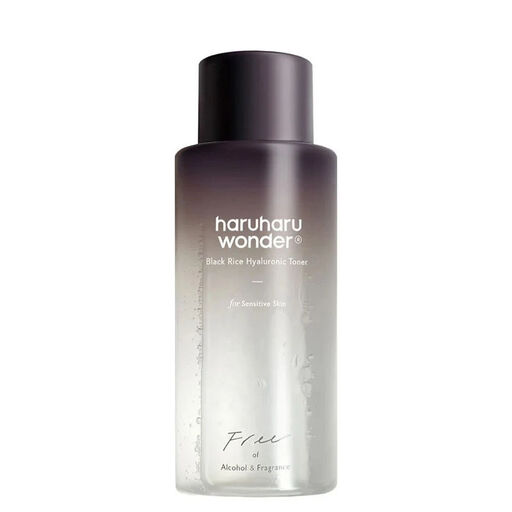
Why This Fits Their Persona: The lightweight, water-like texture is easy to incorporate into a simple K-beauty skincare routine, morning and evening.
The product information lists black rice extract and hyaluronic acid; check the current INCI list on the packaging before buying.
150 ml contents, suitable for application with your hands or a cotton pad, lightweight texture and a focus on hydration.
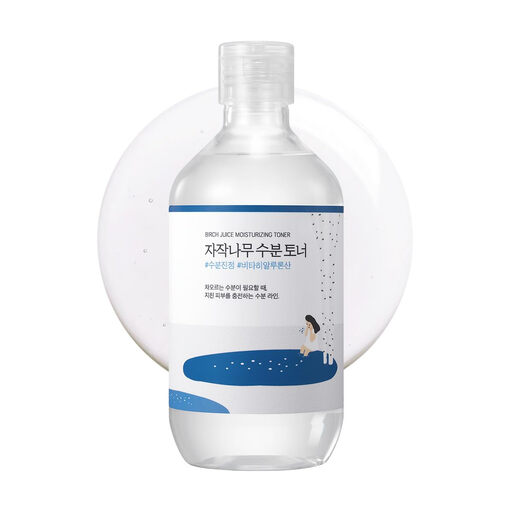
Why This Fits Their Persona: The larger bottle is ideal for anyone who uses a hydrating toner every day and prefers a water-like texture.
The formula lists birch extract, several forms of hyaluronic acid, panthenol and allantoin. If you know that your skin is sensitive to plant extracts, take extra care.
300 ml contents, easy application with your hands and several moisture-binding ingredients.
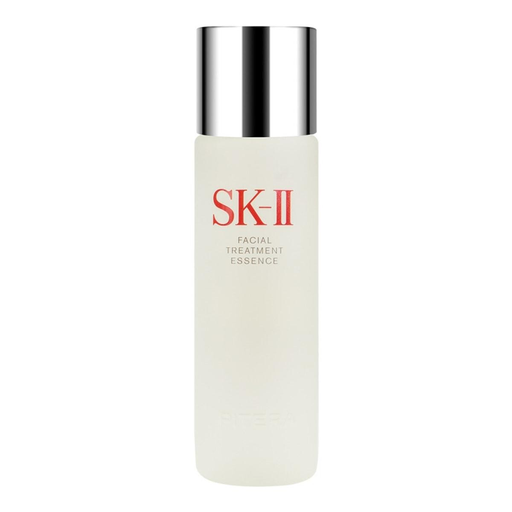
Why This Fits Their Persona: For shoppers looking for a Japanese essence with a concise INCI list and a fluid application.
This is an essence and should not be treated as identical to every classic facial water. If you have known intolerances, take the fermented ingredient it contains into account.
230 ml contents and a manageable ingredients list according to the product information.
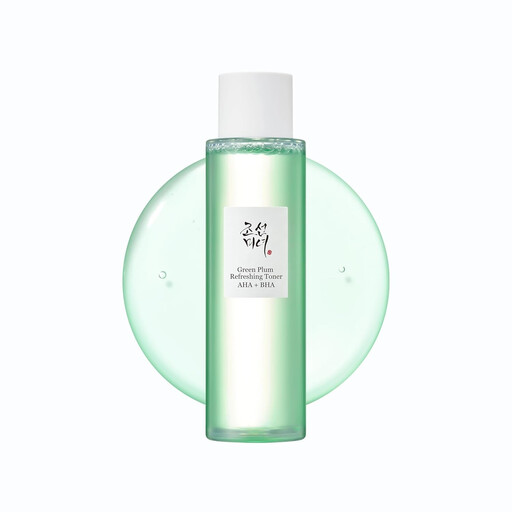
Why This Fits Their Persona: Suitable for anyone who wants to add an AHA-BHA toner to their existing routine in a targeted way.
The product information names glycolic acid and salicylic acid. This makes it clear that it is not simply a hydrating toner.
AHA and BHA in one lightweight liquid; 150 ml contents. Sun protection and a gradual introduction are essential.
The complete category includes more facial toners for different skin types, textures and skincare routines.
A hydrating or soothing toner can be used morning and evening, depending on how well your skin tolerates it. A clarifying toner containing AHA or BHA should initially be used less frequently. Always follow the manufacturer’s instructions and pay attention to how your skin reacts.
Yes, an alcohol-free and fragrance-free formula can work well as part of a simple skincare routine. However, this is no guarantee of individual tolerance. Check the INCI list, carry out a small patch test and initially avoid exfoliating acids if your skin is irritated.
Follow the PAO symbol on the packaging, usually shown as an open cream jar with a number of months. Store the product in a cool, dry place away from direct sunlight. Changes in smell, colour or consistency are a reason to stop using it.