
Lieferung heute & morgen

Qualitätsgarantie

Willkommens-Angebote freischalten: KOSTENLOSE Lieferung | Bis zu 80 % RABATT | Kostenlose 30-Tage-JoyPlus-Testphase
App herunterladen
A facial and body exfoliator can help loosen dead skin cells and leave rough skin feeling smoother. However, not every product is suitable for every area. Coarse particles on the face, heavily fragranced formulas for those sensitive to fragrance, or overly frequent use can place unnecessary stress on the skin.
This selection guide from the Joybuy Product Recommendation Officer explains what adults in Germany should consider before buying. The focus is on clear information about exfoliation type, ingredients, application and skin type—not merely eye-catching marketing claims.
The term gentle exfoliator is not uniformly defined. What matters is how exfoliation is achieved:
Always check the complete INCI list and the specific directions for use. “Natural” does not automatically mean that a formula is suitable for sensitive skin.
The skin on the body is often more resilient than facial skin. A body exfoliator with coarser particles may be more suitable for elbows, knees or heels than for the face. For a facial exfoliator, smaller particles or a milder acid concentration are often the more appropriate choice.
Some products are expressly intended by the manufacturer for use on both the face and body. Even so, test the product on a small area of skin first. Exfoliation is not recommended on irritated, damaged or sun-exposed skin.
Exfoliating several times a week is not necessary for every skin type. Dry or sensitive skin may react to overly frequent use with tightness, redness or stinging. With acid-based products, the usage instructions should be followed particularly carefully. An AHA exfoliator, BHA exfoliator or PHA exfoliator should not be combined indiscriminately with other exfoliating products.
The phrase “exfoliator for dead skin cells” describes a cosmetic function, but it is not a promise of a specific skin result.
Read the INCI list on the product or packaging. For people with sensitive or dry skin, short, clearly structured formulas may be easier to assess. Anyone who reacts to fragrance should look out for terms such as Parfum, Limonene, Citral, Linalool or essential oils.
Plant extracts such as aloe, green tea, Centella asiatica or apricot blossom water may be part of a formula. However, they do not replace an individual patch test. Claims such as “vegan”, “natural” or “dermatologically tested” should always be considered in the context of the specific product description.
Check the following before buying:
For occasional facial exfoliation, a small tube may be sufficient. Those who regularly care for rough areas of the body are more likely to benefit from a larger pack. The amount actually required depends on the body area and frequency of use.
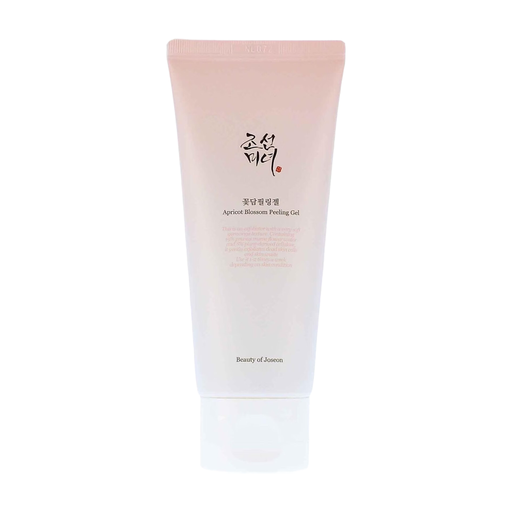
Why does it suit this profile? According to the product information, the gel is applied to dry skin, massaged for around 20 seconds and then rinsed off. It is described for use on both the face and body.
The description specifies cellulose and 19% Prunus mume blossom water, along with a clearly defined, short massage time.
100 ml tube, plant-based cellulose and several plant extracts according to the product information.
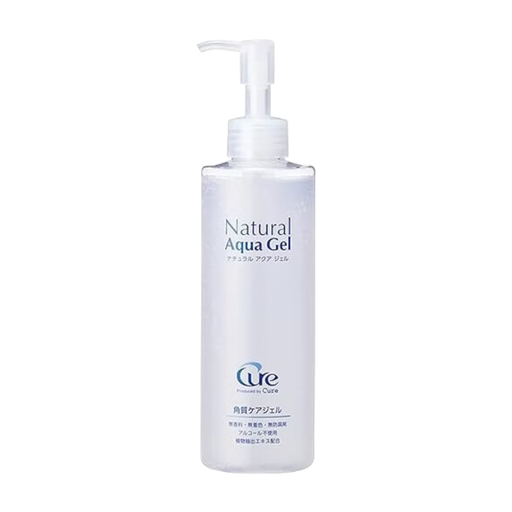
Why does it suit this profile? The product description specifies a fragrance-free, dye-free, paraben-free and alcohol-free formula, as well as use on the face and body.
It is applied to dry skin without vigorous scrubbing. This helps reduce the risk of using excessive pressure.
250 g, gel texture, and aloe, ginkgo and rosemary extracts according to the INCI list.
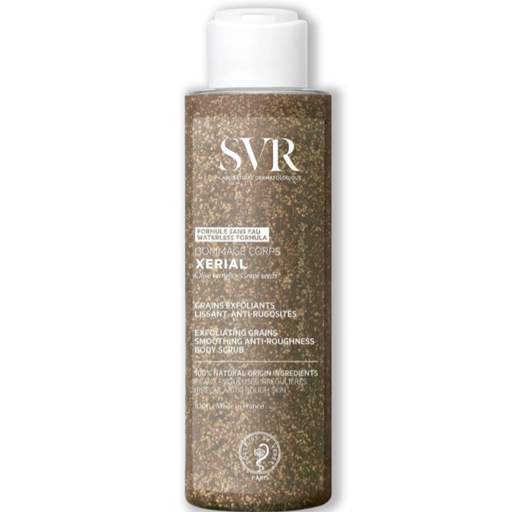
Why does it suit this profile? The product is described for dry to very dry skin and, according to the instructions, can be mixed with a shower cleanser when a milder application is preferred.
The intensity can be adjusted by mixing it with a cleansing product. This means it is not limited to an intensive treatment.
100 g, powder made from olive and grape seeds according to the product description; use once or twice weekly.
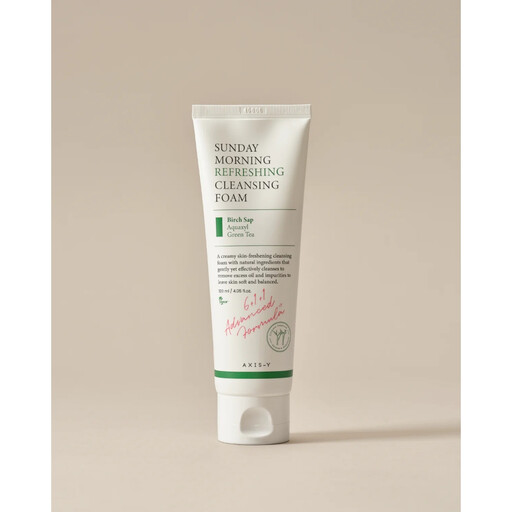
Why does it suit this profile? According to the product information, the gel is made in South Korea and contains 10% gluconolactone, a PHA ingredient. It is described as a leave-on peel with a subsequent processing time.
The concentration and processing time are specified. This makes it easier to distinguish the product from a conventional mechanical exfoliator.
50 ml, PHA gel with gluconolactone and plant extracts; the usage guidance recommends sun protection during the day.
Our complete selection includes products for different skin types, body areas and exfoliation routines. Before buying, always check the INCI list, directions for use and warnings.
This depends on the exfoliation type, skin type and body area. Many of the products mentioned recommend use once or twice a week; some specify two to three times weekly. The manufacturer’s instructions on the relevant packaging take priority. Sensitive or irritated skin often requires longer intervals between applications.
A peeling gel can be an alternative to coarse grains, but it is not automatically irritation-free. Check the INCI list for acids, alcohol, fragrance and essential oils. Products with a short massage time and clear warnings are easier to use in a controlled manner. No exfoliator should be used on already irritated skin.
A facial exfoliator is generally intended for a smaller, more sensitive area. A body exfoliator may contain coarser particles or a richer base and is often used on the arms, legs, elbows, knees or heels. Consider using a product on both areas only when the manufacturer explicitly states that it is suitable for the face and body.