
Lieferung heute & morgen

Qualitätsgarantie

Willkommens-Angebote freischalten: KOSTENLOSE Lieferung | Bis zu 80 % RABATT | Kostenlose 30-Tage-JoyPlus-Testphase
App herunterladen
A facial cleanser for acne should remove excess sebum, dirt and residue without unnecessarily irritating your skin. This is where shoppers often go wrong: a cleanser for acne that produces lots of foam is automatically seen as more effective, while important details such as acid concentration, fragrance and how often to use it are overlooked.
This guide explains what to look for when cleansing blemish-prone skin and which products may suit different skin types.
A tight feeling after washing is not a reliable sign that your skin has been thoroughly cleansed. Harsh surfactants, washing too often or using very hot water can put a strain on your skin barrier. Your skin may feel uncomfortably dry as a result, even while it continues to look shiny.
For everyday cleansing, mild surfactants, a short contact time and lukewarm water matter more than a particularly rich lather.
A facial cleanser with salicylic acid, or a BHA cleanser, may be worth considering if you have oily skin that’s prone to blackheads. However, AHA, BHA and PHA each work differently, so take care when combining them with other exfoliants, toners or serums.
If you have sensitive skin, it’s best to start slowly. Stop using the product if you experience burning, persistent redness or itching. Don’t apply acid-based products to open wounds, broken skin or areas that are acutely irritated.
Terms such as “pore cleanser”, “detox” or “Acne Clear” tell you little about the formula itself. Instead, check the INCI list, the type of acid, its concentration, the product size and any warnings. Some products may have their formula and ingredients changed between batches, so always check the packaging.
Salicylic acid is used as a BHA in many formulas and is often chosen for skin with excess sebum and pores that look congested. Concentration matters: for example, lists 0.5% salicylic acid in its Daily Gentle Cleanser. The product description for Some By Mi AHA/BHA/PHA Miracle Acne Clear Foam states that it contains 5,000 ppm salicylic acid.
AHAs such as citric acid and lactic acid are generally associated with the skin’s surface. PHAs, such as gluconolactone and lactobionic acid, are often used in milder acid formulas. However, how a cleanser works depends not only on its active ingredients, but also on its pH, contact time and how thoroughly you rinse it off.
When choosing a foaming cleanser for spots, don’t judge it by the amount of lather alone. Check which surfactants it contains and whether your skin feels very tight after rinsing. Glycerin, panthenol or allantoin in the formula may indicate that it’s designed to leave your skin feeling more hydrated.
If you have very sensitive skin, also look out for fragrance, essential oils, menthol and peppermint oil. These ingredients aren’t necessarily unsuitable, but they may feel irritating on sensitive skin.
For most products, the routine is simple: wet your face and hands, lather a small amount, gently massage it in for around 30 to 60 seconds, then rinse thoroughly with lukewarm water. Don’t scrub hard or cleanse repeatedly.
A product containing several acids doesn’t automatically need to be used twice a day. Follow the packaging instructions and use it less often if your skin feels dry or irritated. When using acid-based products, it’s a good idea to wear suitable sun protection during the day.

Why it suits this skin type: The clearly stated 0.5% salicylic acid concentration makes it easier to start a targeted cleansing routine for oily, blemish-prone skin.
The specific active ingredient information means you’re not relying solely on general claims about pores or clearer skin.
0.5% salicylic acid, glycerin, and tea and willow bark ingredients according to the product details; 150 ml size.
Why it suits this skin type: According to the supplied INCI list, the formula combines a creamy foam texture with panthenol, allantoin and several forms of hyaluronic acid.
The product description specifically says it contains no sulphates, alcohol or synthetic fragrance; however, the packaging remains the definitive source.
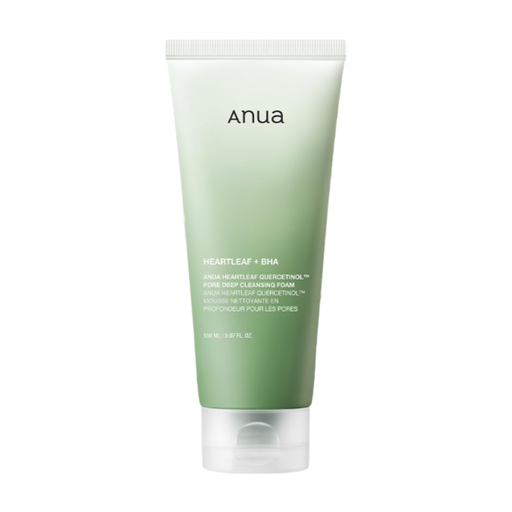
33% heartleaf extract according to the product details, salicylic acid and a selection of mild surfactants.
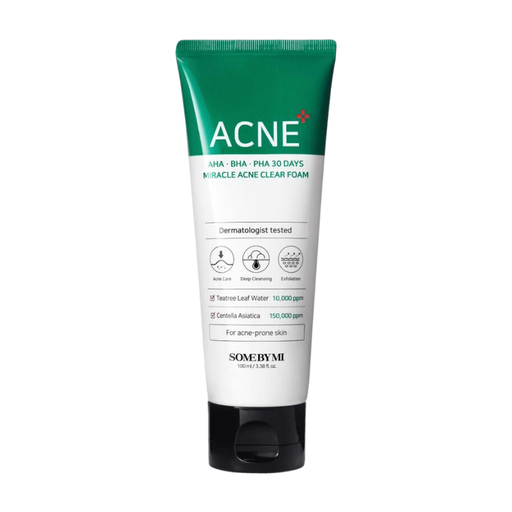
Why it suits this skin type: According to the product description, this cleansing foam combines AHA, BHA and PHA and is designed for oily, comedone-prone skin.
The combination of acids is clearly stated. For that very reason, beginners should initially limit use and avoid adding other exfoliants at the same time.
5,000 ppm salicylic acid according to the product description, as well as AHA and PHA ingredients; foaming texture, 100 ml size.
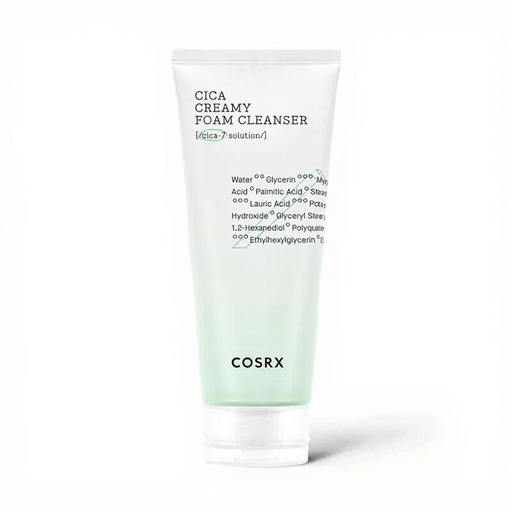
Why it suits this skin type: The supplied description lists Centella asiatica, panthenol and allantoin, and describes a cleanser without a stated combination of acids.
If you’d rather not combine several acids, this offers a simpler option for your everyday facial cleansing routine.
Centella asiatica extract, panthenol and allantoin according to the product description; 150 ml size.
We’ve put together a complete, regularly updated list of products that meet these strict selection criteria and fully comply with the safety regulations in force in the EU.
It depends on the formula and how well your skin tolerates it. A mild cleanser can often be used in the morning and evening. If you’re using a BHA, AHA or PHA product, it’s best to start cautiously. If your skin becomes dry or irritated, you can use it less often.
There’s no one-size-fits-all answer. A low concentration, short contact time and gentle supporting formula can make it easier to find a suitable product. Even so, test it on a small area of skin first, and don’t use it on broken or acutely irritated skin.
Check the best-before date, batch number and open-jar symbol on the packaging. Store the product in a cool, dry place away from direct sunlight. If its smell, colour or consistency changes noticeably, stop using it.