
Lieferung heute & morgen

Qualitätsgarantie

Willkommens-Angebote freischalten: KOSTENLOSE Lieferung | Bis zu 80 % RABATT | Kostenlose 30-Tage-JoyPlus-Testphase
App herunterladen
A facial cleanser is part of many people’s daily skincare routine. Even so, choosing the right product often leads to disappointing purchases: your skin feels tight after washing, becomes noticeably shiny a few hours later or reacts with redness. Marketing terms such as “pore cleansing”, “deep cleansing” or “anti-blemish” do not automatically indicate whether a product is suitable for your skin type.
As a Joybuy Product Recommendation Officer, I filter out the most relevant product features and assess them in the context of specific everyday needs. This makes it easier to decide whether a facial wash gel, facial cleansing foam or gentle facial cleanser is the right choice.
A strongly foaming facial cleanser can feel particularly thorough. However, how your skin feels after rinsing is not reliable proof that the product cleanses more effectively. Highly degreasing formulas can contribute to a feeling of tightness, particularly on dry or sensitive skin.
The key factors are therefore the surfactants used, how often the product is applied and how your skin feels after drying. Your skin should feel clean, but not persistently dry or irritated.
A salicylic acid cleanser may be worth considering for oily, blemish-prone skin. However, if you use it alongside several other exfoliating products, your routine may become unnecessarily harsh. For sensitive or already irritated skin, this type of cleanser is not automatically the right daily solution.
A hyaluronic acid facial cleanser cannot replace subsequent skincare either. Hyaluronic acid may help support the skin feel within the formula, but it is rinsed off rather than left on the skin like a leave-on serum.
A universal product claim does not mean that every type of skin will react to the product in the same way. Fragrances, essential oils, acids or certain combinations of surfactants may cause problems for some people. You should therefore check the complete INCI list on the packaging before buying. The current labelling of the specific product is what matters.
The surface of the skin is slightly acidic. A facial cleanser explicitly labelled as a low-pH cleanser is often in the mildly acidic range. and Etude House state specific pH values or describe their products as mildly acidic formulations. However, pH alone does not determine how well a product is tolerated: fragrances, essential oils and the overall surfactant base also play a role.
A dense foam is not a quality indicator either. What matters is whether the product spreads easily, rinses off completely and leaves your skin free from an unpleasant feeling of tightness.
Salicylic Acid Daily Gentle Cleanser is stated to contain 0.5% salicylic acid. Specific details like this are more helpful than broad terms such as “intensively clarifying”. With acid-based products, follow the directions for use, avoid contact with the eyes and mouth, and stop using the product if irritation occurs.
Also check:
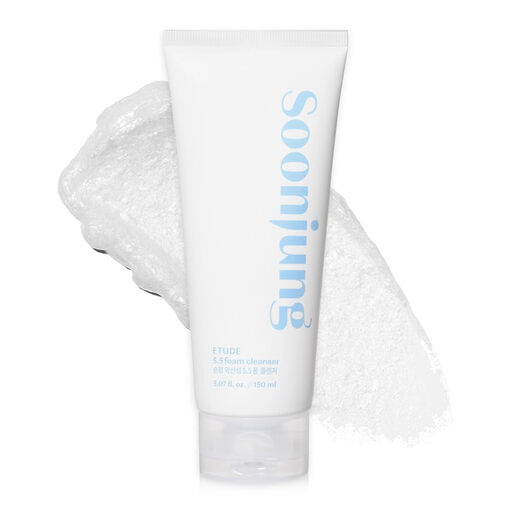
Why this product suits the profile: The 150 ml size and clearly stated pH 5.5 formulation offer a straightforward introduction to Korean facial cleansing. Panthenol and madecassoside are listed in the INCI list.
This product does not rely on an aggressive “deep cleansing” claim. Instead, it focuses on a stated low pH and a clear, easy-to-understand product description.
pH 5.5, 150 ml, panthenol and madecassoside according to the product details; the formula is described as containing no added fragrance.
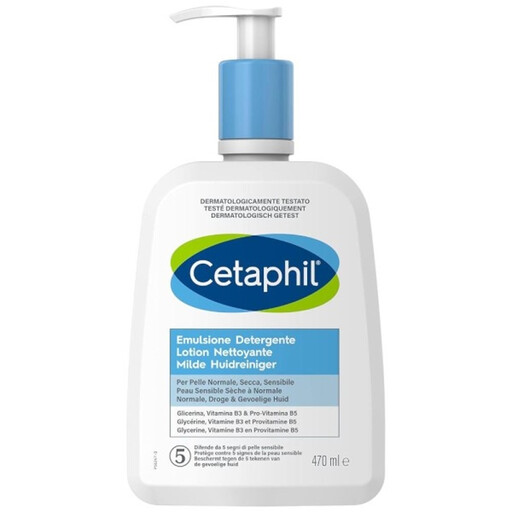
Why this product suits the profile: If you are looking for a simple daily facial cleanser without constantly changing specialist ingredients, this large 470 ml format contains glycerin, panthenol and niacinamide according to the INCI list.
The formula is not positioned around a strong exfoliating or fragrance claim. This makes it easier to assess as part of a streamlined skincare routine.
470 ml contents; glycerin, panthenol and niacinamide are included in the stated composition.
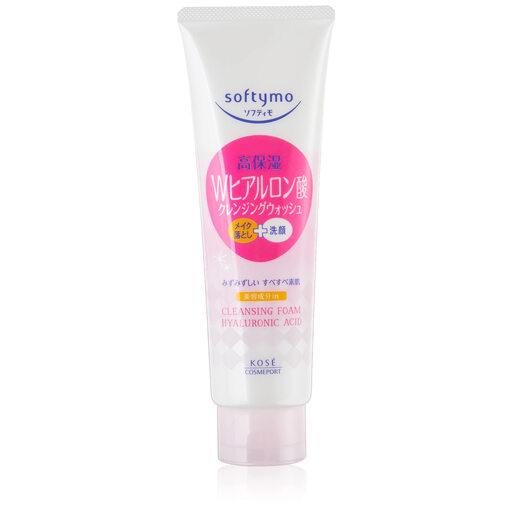
Why this product suits the profile: The 190 g format is appealing for regular users. According to the product details, the formula contains two hyaluronic acid derivatives, glycerin and cleansing agents.
The moisturising claim is supported by specific named ingredients, rather than being based solely on the word “hydrating”.
190 g contents; two listed hyaluronic acid derivatives and glycerin according to the product description.
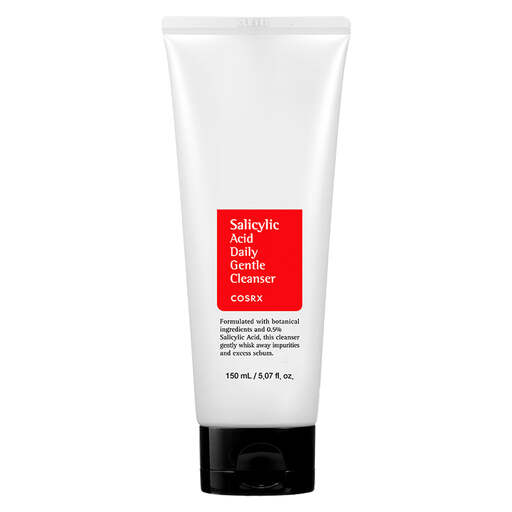
Why this product suits the profile: For people with combination, oily or blemish-prone skin, the stated concentration of 0.5% salicylic acid is a clear selection criterion.
The acid concentration is clearly stated. This makes it easier to distinguish its use from other exfoliating products in your routine.
0.5% salicylic acid according to the product description; tea tree oil and willow bark water are also listed.
We have put together a complete, regularly updated list of products that fully meet these strict selection criteria and the safety regulations applicable in the EU.
Moisten your face and hands with lukewarm water. Apply a small amount to your palms, lather the product if needed and massage it in without applying heavy pressure. Avoid the eye and mouth areas. Rinse thoroughly, then pat your skin dry.
When using a new product, it is advisable to test it carefully on a small area of skin first. If redness, burning or itching occurs, stop using the product. If skin problems persist, seeking dermatological advice is recommended.
For many people, using a facial cleanser morning and evening is sufficient. If you have dry or sensitive skin, cleansing less frequently may feel more comfortable. The key factor is how your skin feels after washing, not the maximum amount of foam or cleansing intensity.
Refer to the best-before date, batch information and PAO symbol on the packaging. After opening, use the facial cleanser within the stated period of use and protect it from direct sunlight and excessive heat.
The price depends on factors including the ingredients, pack size, brand and format. Compare the price per 100 ml or 100 g, and check whether the formulation is suitable for your skin type. A larger format is only economical if you use it regularly and finish it within the recommended shelf life.