
Lieferung heute & morgen

Qualitätsgarantie

Willkommens-Angebote freischalten: KOSTENLOSE Lieferung | Bis zu 80 % RABATT | Kostenlose 30-Tage-JoyPlus-Testphase
App herunterladen
A facial cleanser is part of many women’s and men’s daily skincare routines. Even so, choosing the right one is not always easy: a facial wash gel can leave your skin feeling tight after washing, a fragranced facial cleansing foam can feel uncomfortable on sensitive skin, or a rich facial cleansing cream may not suit an oilier T-zone. Terms such as “deep cleansing”, “glow” or “pore-refining” also do not automatically indicate whether a product is right for your skin.
Terms such as “brightening”, “clarifying” or “intensive cleansing” reveal little about the formulation on their own. The complete INCI list is what matters. For example, one facial cleanser with vitamin C may contain a vitamin C derivative, while another may also use fragrances or acids. The products should therefore not automatically be treated as equivalent.
A product that lathers heavily creates a clear feeling of cleanliness. However, this type of texture may feel less comfortable on dry or sensitive skin. Facial cleansers for dry skin often include creamy formulations with glycerin, panthenol or Sodium Hyaluronate. Facial cleansers for blemish-prone skin, on the other hand, may contain clarifying ingredients such as salicylic acid. Individual tolerance remains the deciding factor.
A 20- or 40-ml product can be practical for travelling, but will run out sooner with daily use than a 120- or 150-ml tube. For a realistic assessment of cost, fill size, the amount of product required and frequency of use should be considered together. When checking shelf life, the printed best-before date and, where applicable, the symbol showing the period of use after opening are the key points to consider.
Common, clearly identifiable ingredients include:
INCI information can change. The ingredients list on the actual packaging should therefore always be treated as the definitive source.
A facial cleanser is normally applied to damp skin or – in the case of certain creams and balms – dry skin. Lukewarm water is usually more comfortable than very hot water. Massage the face without rubbing too vigorously, then gently pat it dry. If you are wearing make-up or waterproof sun protection, a two-step cleanse may be useful: start with a balm or oil-based product, followed by a gentle wash gel or facial cleansing foam.
Why this product suits the profile: The 120-g size is suitable for a regular routine. The formulation contains, among other ingredients, Glycerin, Sodium Cocoyl Glycinate and Sodium Lauroyl Glutamate, as well as camellia extract and camellia oil.
The specific surfactants and fill size are stated. This makes it easier to choose based on the INCI list rather than marketing claims alone.
120 g contents; cleansing agents and plant-based ingredients are listed in the product description.
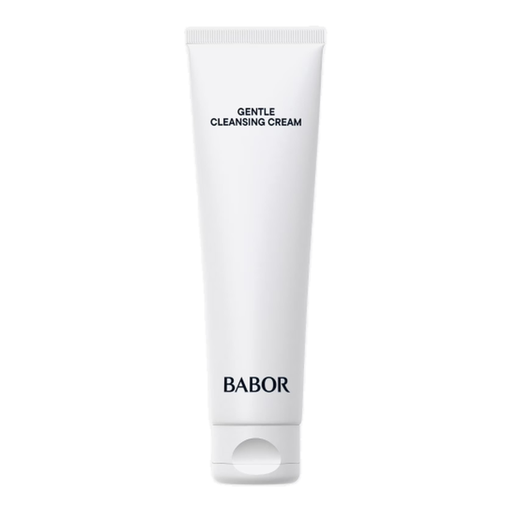
Why this product suits the profile: According to the product description, this fragrance-free cleansing cream is intended for all skin types, including sensitive skin, and is applied to dry skin.
The product information explicitly states that it is free from perfume, sulphates, parabens, silicones and other groups of substances. The packaging remains the definitive source for checking the current INCI list.
100 ml contents; cream or milk texture; according to the supplier, no added perfume.
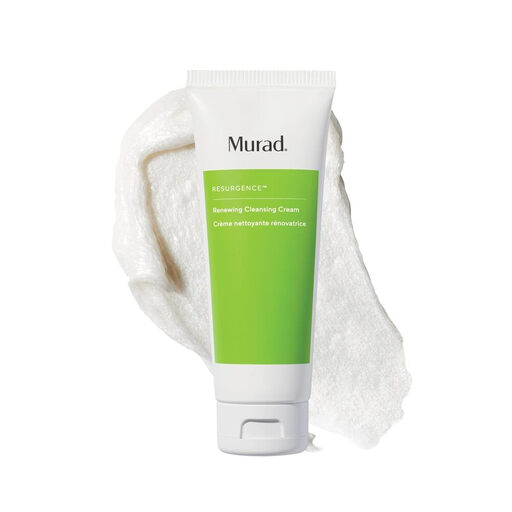
Why this product suits the profile: According to the supplier, the creamy formulation contains, among other ingredients, Glycerin, Panthenol, Sodium Hyaluronate and lactic acid. It is stated to be suitable for normal, combination and dry skin types.
The product description states both the creamy texture and the lactic acid content. If your skin is more sensitive to sunlight, follow the application instructions and use suitable sun protection.
148 ml contents; cream formulation; Glycerin, Panthenol and Sodium Hyaluronate according to the ingredients information.
We have put together a complete, regularly updated list of products that fully meet these strict selection criteria and the safety regulations applicable in the EU.
Many products are intended for use in the morning and evening. If your skin is dry or sensitive, cleansing once in the evening may be sufficient, particularly if your skin is not heavily soiled in the morning. The product instructions and how your skin feels are the key factors.
This depends on the product. Check the best-before date, batch number and open-jar symbol on the packaging. If the smell, colour or consistency changes, stop using the product.
No. Price alone says nothing about whether a product is suitable. Instead, compare fill size, surfactants, fragrances, active ingredients, texture and recommended skin type. A simply formulated facial cleanser may be a better fit for your routine than a product containing numerous additional ingredients.