
Lieferung heute & morgen

Qualitätsgarantie

Willkommens-Angebote freischalten: KOSTENLOSE Lieferung | Bis zu 80 % RABATT | Kostenlose 30-Tage-JoyPlus-Testphase
App herunterladen
A facial cleanser is part of many women’s and men’s daily skincare routines. Yet choosing the right one often leads to disappointing purchases. A product may create a rich lather but leave the skin feeling uncomfortably tight afterwards. Other formulations promise “deep pore cleansing” even though they only remove surface residue. A high price or well-known brand alone also says little about whether a facial wash gel, cleansing foam or facial soap is suitable for your skin type.
A rich lather can feel pleasant, but it is not a reliable measure of cleansing performance. The key factors are the surfactants used, how long the product is left on the skin and how easily it rinses off afterwards. On dry or sensitive skin, strongly degreasing formulations can make that tight feeling after washing even worse.
This phrase does not describe a legally standardised measurement. It often refers to removing excess sebum, make-up residue and dirt from the skin’s surface. A facial cleanser for blemish-prone skin may contain ingredients such as salicylic acid; however, this does not automatically mean that skin problems will be treated or permanently resolved.
A solid facial cleanser or facial soap is only practical to use if it can dry completely after use. If the bar is left in water, it will become soft and be used up more quickly. With refill products, you should also check whether a tin or storage container is included.
The complete ingredients list on the packaging is the decisive reference, as formulations can change. If you want to avoid fragrances, look specifically for descriptions such as “fragrance-free” or “parfümfrei”. BABOR Natural Cleansing Bar Refill is described as soap-free and fragrance-free, while L’Occitane Shea Solid Face Cleanser contains parfum.
The term “soap” should also be examined more closely. A traditional facial soap and a solid soap-free facial cleanser may differ in their surfactant system, pH value and how they feel on the skin. The product description alone is therefore no substitute for checking the INCI list.
Liquid products are usually quick to dispense and are suitable for daily facial cleansing at the washbasin. A pump dispenser can make it easier to control the amount used. Solid bars require less liquid packaging but must be stored dry. If you want to remove light make-up, the product should be expressly suitable for this purpose. For heavy or waterproof make-up, a separate facial make-up remover may be useful.
Regardless of the format, the same basic steps apply: wet your face and hands, gently work the cleanser into a lather, avoid the eye area and rinse thoroughly with lukewarm water. Scrubbing vigorously does not automatically improve cleansing performance.
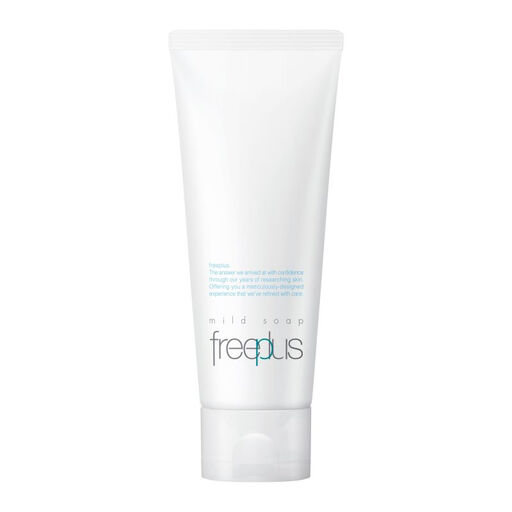
Why this product suits the profile: Its creamy texture and simple application are ideal for people looking for a straightforward daily cleanser in a liquid format.
The product description mentions a gentle, creamy lather. However, shoppers should still check the complete ingredients list and monitor their own skin’s reaction.
100 ml content, glycerine and potassium cocoyl glycinate listed among the stated ingredients.
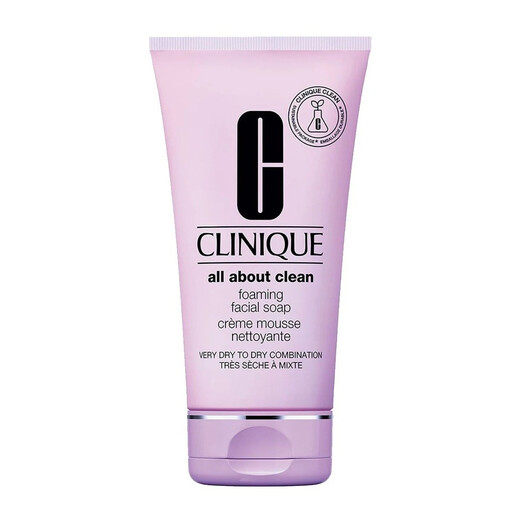
Why this product suits the profile: Suitable for shoppers who prefer a branded product with a creamy lather and clear usage instructions.
The product details describe a non-drying, paraben-free and fragrance-free formulation. Individual skin compatibility will vary.
150 ml content, glycerine, Sodium PCA and Sodium Hyaluronate according to the stated INCI list.
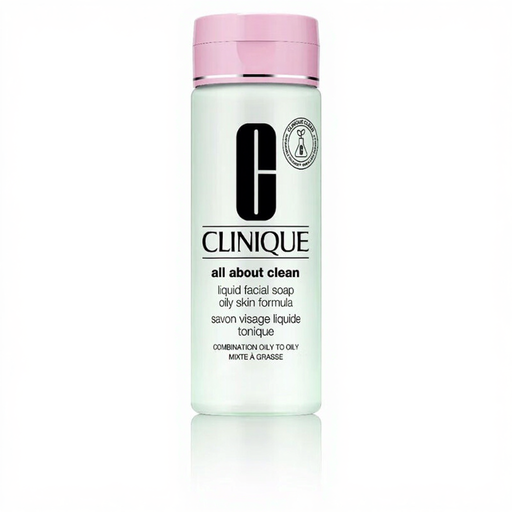
Why this product suits the profile: The pump dispenser and liquid format are ideal for regular morning and evening use, particularly on oily skin.
The product details mention cleansing away excess sebum, dirt and make-up without leaving an unwanted tight feeling. Stop using it if irritation occurs.
200 ml content, fragrance-free and supplied in a pump bottle; Sodium Laureth Sulfate and betaine surfactants are listed.
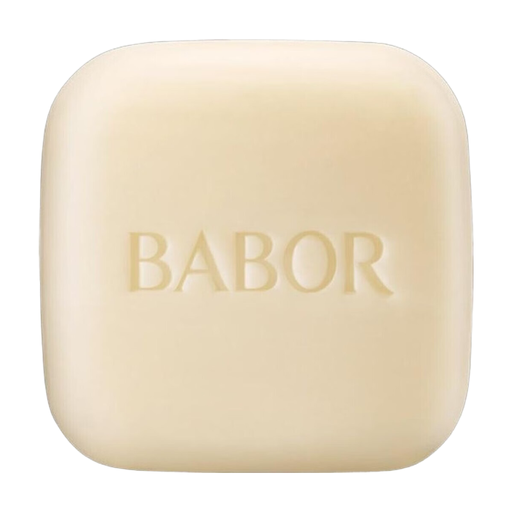
Why this product suits the profile: The refill format is appealing to people who already own a reusable tin and prefer a solid facial cleanser.
The product description clearly states that the storage tin is not included. The bar must be allowed to dry after every use.
65 g, soap-free and fragrance-free; aloe vera juice and baobab seed oil are listed among the ingredients.
We have put together a complete, regularly updated list of products that fully meet these strict selection criteria and the safety regulations applicable in the EU.
For many people, cleansing in the evening is useful for removing sweat, sebum, dirt and make-up residue. In the morning, depending on your skin type, water or a mild facial cleanser may be sufficient. Excessive washing should be avoided if you have dry or sensitive skin.
The best-before date, the period-after-opening symbol and the information on the packaging are the key points to check. With solid products, how quickly they are used up also depends on how often they are used and how well they are allowed to dry. If the smell, colour or consistency changes, stop using the product.
This depends on the individual product description and the type of make-up. Some formulations are specifically designed to remove make-up residue. However, waterproof make-up may require a separate facial make-up remover. The eye area should only be cleansed with products specifically designed for this purpose.