
Lieferung heute & morgen

Qualitätsgarantie

Willkommens-Angebote freischalten: KOSTENLOSE Lieferung | Bis zu 80 % RABATT | Kostenlose 30-Tage-JoyPlus-Testphase
App herunterladen
A facial cleanser is part of many people’s daily skincare routine. However, attention-grabbing advertising claims do not automatically make it easier to choose the right product. Terms such as “pore cleansing”, “deep cleansing” or “moisturising care” often describe only individual properties of the formula. What matters is whether the cleansing effect, skin feel and ingredients suit your skin type and how you intend to use the product.
A highly foaming facial cleanser can feel especially thorough. However, on dry or sensitive skin, a strong degreasing effect may cause tightness. A clean feeling on the skin is therefore not a reliable indication that a product will remain suitable in the long term.
A low-pH facial cleanser is often mildly acidic, which can make it a good fit for a gentle skincare routine. However, pH alone says nothing about fragrances, essential oils, surfactants or other ingredients. Checking the full INCI list remains important.
Hyaluronic acid, salicylic acid, tea tree oil or plant extracts can be interesting ingredients. However, with a cleansing product, contact time with the skin is relatively short because it is rinsed off. Claims about changes to the skin or medical effects should therefore not be accepted uncritically.
For sensitive skin, formulas with mild surfactants, little fragrance and a manageable ingredients list are often suitable. A gentle facial cleanser should not leave a strong stinging sensation or lasting tightness after rinsing.
For oily or blemish-prone skin, a facial cleanser containing salicylic acid or betaine salicylate may be worth considering. These ingredients are found in some of the products featured below. However, they are not a substitute for dermatological advice and should not be used on irritated or damaged skin without consulting a professional.
A facial cleansing foam spreads easily and can reduce friction during cleansing. It is important to lather the foam in wet hands first and massage the face gently.
Gel textures, creamy foams and bubbles dispensed straight from the pump mainly differ in how they are used and how they feel on the skin. For dry skin, moisturising ingredients such as glycerin, amino acids or hyaluronic acid are relevant. If you are sensitive to fragrance, check for parfum and essential oils before buying.
Look out for:
A Korean facial cleanser and a Japanese facial cleanser do not automatically differ in cleansing quality. Origin, formulation and personal tolerance are more meaningful than the country of origin alone.
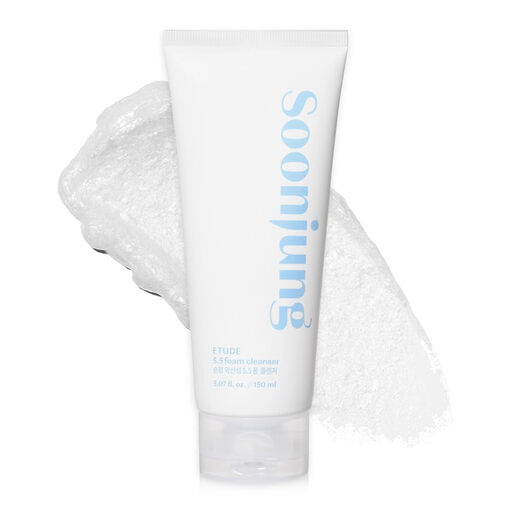
Why this product fits the profile: The formula is designed around a pH of 5.5 and contains panthenol and madecassoside. According to the product information, it is free from parfum, parabens and synthetic colourants.
Rather than focusing solely on abundant lather, the product description provides specific information about the pH and omitted ingredients. Nevertheless, the information on the current packaging remains authoritative.
pH 5.5, creamy foam, plus panthenol and madecassoside in the stated INCI list. A considered option for minimalist skincare routines.
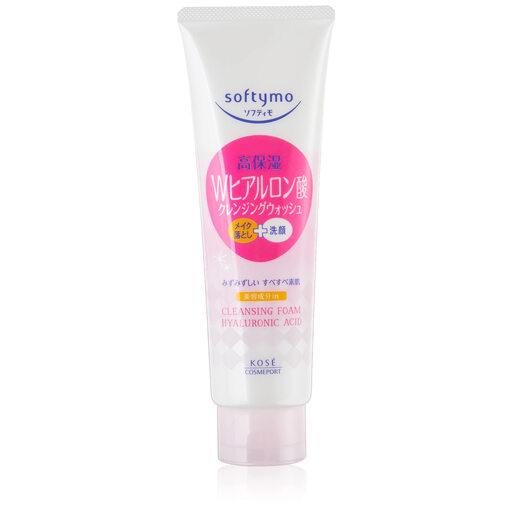
Why this product fits the profile: The 190-g pack is designed for frequent use. Two stated forms of hyaluronic acid, glycerin and a creamy lather appeal to users who prefer their skin to feel less dry after cleansing.
The selection is based not only on “rich lather”, but also on specific moisturising ingredients and the fill quantity. If you are sensitive to fragrance or alcohol, check the INCI list.
190 g contents, two hyaluronic acid ingredients and glycerin according to the product information. The manufacturer states that it is suitable for normal, dry and combination skin.
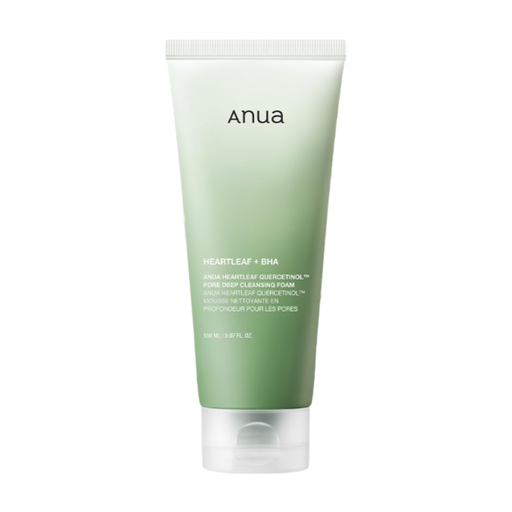
Why this product fits the profile: According to the stated INCI list, the formula contains salicylic acid, several hyaluronic acid derivatives, as well as panthenol and allantoin. This makes it suitable for people who want to consider cleansing, skin feel and pore care together.
The term pore cleansing is supported by specific ingredient information. As the product contains salicylic acid, sensitive or already irritated areas should be avoided and tolerance should be monitored.
150 ml contents, salicylic acid and several forms of hyaluronic acid according to the product information. The foam is designed for daily facial cleansing.
We have put together a complete, regularly updated list of products that fully meet these strict selection criteria and the safety regulations applicable in the EU.
If you are removing waterproof make-up or sunscreen, cleansing with an oil-based product before using a cleansing foam in the evening may be useful. However, double cleansing is not necessary for every skin type or every routine.
For many people, cleansing in the morning and evening is practical. If you have dry or sensitive skin, cleansing once in the evening may be sufficient, while water alone can be used in the morning. Your skin feel, level of pollution and skincare products used are the key factors.
The specific best-before date and the period-after-opening symbol on the packaging are decisive. Many products carry an open-jar symbol, such as 12M. If the smell, appearance or skin feel changes, stop using the product.
No. Products containing salicylic acid may be worth considering for oily or blemish-prone skin, but they are not automatically suitable for sensitive, irritated or damaged skin. Check the product information, start carefully and stop using the product if irritation occurs. If skin problems persist, consulting a dermatologist is advisable.