
Lieferung heute & morgen

Qualitätsgarantie

Willkommens-Angebote freischalten: KOSTENLOSE Lieferung | Bis zu 80 % RABATT | Kostenlose 30-Tage-JoyPlus-Testphase
App herunterladen
A facial cleanser is part of many people’s daily skincare routine. Even so, choosing one can often lead to disappointing purchases: one product lathers well but leaves skin feeling dry, while another promises a deep clean but contains fragrance that sensitive skin may not tolerate. Solid cleansers are sometimes bought without considering how they need to be stored or what they contain.
A rich lather can feel pleasant, but it doesn’t tell you much on its own about how gentle or effective a cleanser is. The surfactants it contains, how long you leave it on your skin and how thoroughly you rinse it off all matter. If you have dry skin, a strongly degreasing facial cleansing gel may leave your skin feeling tight.
A general claim may not take into account the differences between oily, dry and sensitive skin. If you’re prone to excess sebum, you’ll need different product features from someone looking for a gentle facial cleansing foam without fragrance.
A solid facial cleanser can save on packaging and is handy when travelling. But if it contains perfume or certain essential oils, that doesn’t automatically make it suitable for sensitive skin. A Korean facial cleanser should also be judged by its INCI list, not just its origin or packaging.
The INCI list shows which cleansing agents a product contains. Terms such as “soap-free” describe the type of formula, but aren’t a general indication of quality. If you’re looking for a fragrance-free facial cleanser, check specifically for “parfum”, “fragrance” and related fragrance ingredients.
A facial soap may contain traditional soap ingredients such as saponified fatty acids. So a facial soap isn’t automatically comparable to a syndet-based cleanser. After washing, your skin shouldn’t feel noticeably irritated or tight for a prolonged period.
150 to 200 ml is a good size for regular use at home. Travel sizes such as 20 to 25 g fit in hand luggage or a wash bag, and are handy if you want to try a new product first. A solid facial cleanser needs to be kept somewhere dry and well ventilated. If the cleansing bar is left sitting in water, it will soften and wear down more quickly.
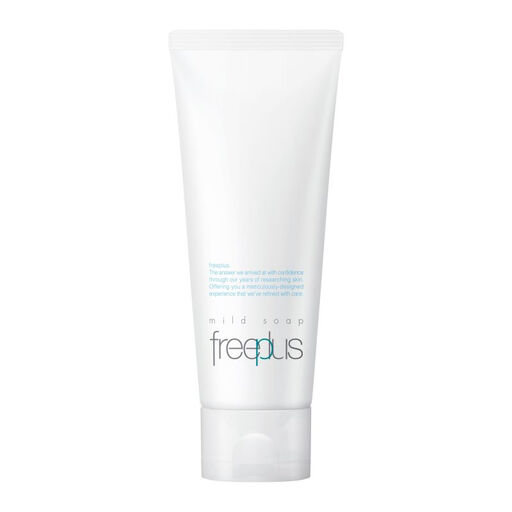
Why this product suits this profile: Its creamy texture and compact size make it a straightforward choice for daily facial cleansing. According to the manufacturer, it is designed for sensitive skin.
The choice is based on ingredients and how the product is used, rather than on a rich lather or fragrance alone. Stop using it if irritation occurs.
100 ml; creamy lather; listed as containing glycerin and niacinamide.
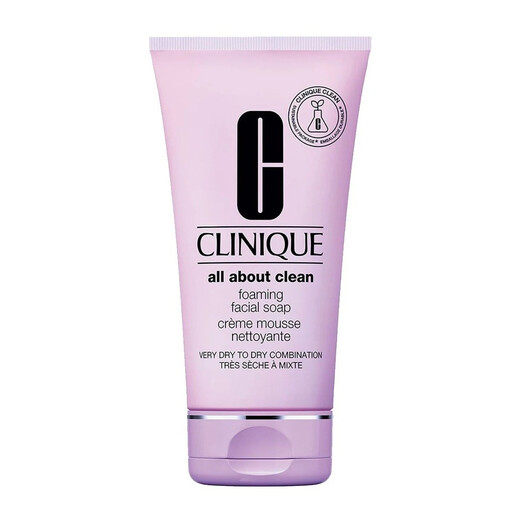
Why this product suits this profile: This creamy foaming formula is designed for very dry to dry skin and dry combination skin. The 150 ml size is well suited to regular use in the bathroom.
According to the manufacturer, the formula is fragrance-free and should not dry out or strongly degrease the skin. Check the ingredients list against the packaging before buying.
150 ml; described as free from parabens, phthalates and fragrance; use with lukewarm water.
Why this product suits this profile: This solid facial cleanser comes as a refill and is a good fit if you prefer a compact format without extra liquid packaging.
The refill comes without a storage tin. If you already have a suitable tin, you can avoid buying another one unnecessarily. Let the bar dry completely after use.
65 g; according to the manufacturer, free from soap and fragrance; refill format for use with an existing tin.
Why this product suits this profile: The 25 g size is handy for trips, overnight stays or trying a facial soap for the first time. Use it with water and lather before applying.
The small size means you don’t have to commit to a large pack before seeing how the texture feels and how your skin responds in everyday use. Check the ingredients list before use.
25 g; compact solid format; described as suitable for removing dust, excess sebum and skin residue.
We’ve put together a complete, regularly updated list of products that meet these strict selection criteria and fully comply with the safety regulations in force in the EU.
A facial cleanser is usually used in the morning, evening or as needed. First wet your face and hands with lukewarm water, then work a small amount into a lather and apply without pressing hard. If your skin is sensitive, keep the massage brief. Rinse thoroughly, then gently pat your face dry.
Shelf life depends on the best-before or expiry date printed on the packaging, as well as the stated period after opening. With solid products, leftover water and storage conditions affect how quickly they are used up. Once opened, liquid cleansers should be closed securely and stored according to the packaging instructions.
For many people, cleansing once in the evening is enough. In the morning, water or a gentle facial cleanser may be all you need, depending on your skin type. If you have dry or sensitive skin, frequent washing with strongly degreasing products can leave your skin feeling worse.
Lightweight gel or liquid formulas that remove excess sebum and residue can work well for oily skin. However, a facial cleanser for oily skin shouldn’t leave your skin feeling tight for a prolonged period. According to its product description, Clinique Liquid Facial Soap Oily Skin With Pump 200 ml is fragrance-free and designed for oilier skin.
That depends on its size, consistency and how much you use each time. Not every product needs a hazelnut-sized amount. With solid bars, letting them dry completely between uses can help them last longer. Always follow the specific information on the packaging and product page.