
Lieferung heute & morgen

Qualitätsgarantie

Willkommens-Angebote freischalten: KOSTENLOSE Lieferung | Bis zu 80 % RABATT | Kostenlose 30-Tage-JoyPlus-Testphase
App herunterladen
A facial cleanser is part of the daily skincare routine for many people. Even so, choosing the right product is not always straightforward: cleansing foam, face wash gel, cream textures and low-pH facial cleansers differ in skin feel, ingredients and cleansing intensity. A product that removes excess sebum may leave dry or sensitive skin feeling uncomfortably tight. Conversely, an ultra-gentle facial cleanser may not be sufficient for removing sunscreen, makeup or stubborn residue.
The following criteria help you assess marketing claims objectively and choose a cleanser for sensitive, blemish-prone or everyday skin care with confidence.
Terms such as “Deep Cleansing”, “Pore Cleansing” or “Blackhead Removal” initially describe how a product is positioned, not necessarily a proven effect. An intensive cleanse may result from a dense lather or specific ingredients. For sensitive skin, however, the key consideration is whether the skin feels tight, stings or looks red after rinsing.
A low-pH facial cleanser is often mildly acidic. This may appeal to people who prefer a gentle cleanse. However, pH is only one selection criterion. Surfactants, fragrances, essential oils and acids in the formula should also be taken into account.
Salicylic acid, niacinamide, tea tree oil and Centella asiatica extract are found in various facial cleansers. Their mere presence does not mean that a product treats skin concerns. If you have blemish-prone or acne-prone skin, introduce an acne cleanser carefully. For persistent concerns or inflammation, dermatological advice is recommended.
Surfactants dissolve dirt, sebum and residue on the skin. Product information may list ingredients such as Sodium Cocoyl Isethionate, Sodium Methyl Cocoyl Taurate, Coco-Betaine or amino acid surfactants. A rich lather is not reliable proof of superior cleansing performance. What matters more is whether the product removes residue without putting unnecessary stress on the skin.
The following products differ in texture, ingredients, size and intended use. The information is based on the product details available at the time of writing. Check the current packaging information before use.
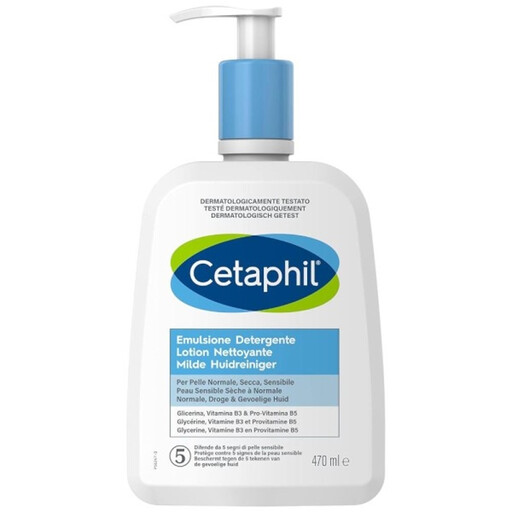
Why This Fits Their Persona: The generous 470 ml format is well suited to anyone looking for a straightforward facial cleanser for morning and evening use and who prefers a larger pack size.
The product description highlights gentle use along with glycerin, panthenol and niacinamide. This keeps the focus from resting solely on an intensive lather.
470 ml; according to the product information, it can be rinsed off with water or removed with a soft cloth or cotton pad.
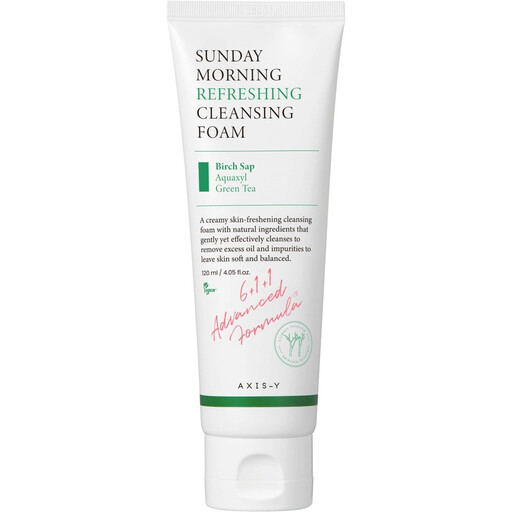
Why This Fits Their Persona: A good option for fans of Korean beauty who are looking for a foaming cleanser with a clearly stated pH of 5.5.
The stated pH is verifiable product information. The formula also lists several gentle surfactants, including Sodium Cocoyl Isethionate and Coco-Betaine.
120 ml; creamy lather; according to the product description, formulated with birch water, mugwort and other plant extracts.
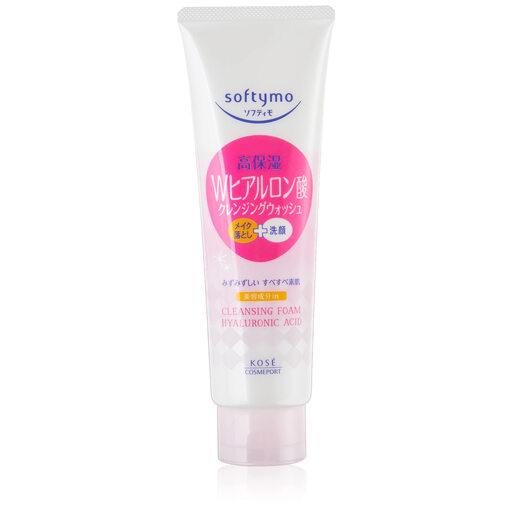
Why This Fits Their Persona: Designed for people who prefer a creamy texture and hydration-focused ingredients in their daily facial cleanser.
Rather than making a vague “hydration” claim, the product description identifies two forms of hyaluronic acid, glycerin and amino acid derivatives.
190 g; creamy lather; according to the product information, formulated with Sodium Hyaluronate and Sodium Acetylated Hyaluronate.
For waterproof makeup or long-wearing sunscreen, an initial cleanse with a product specifically designed for this purpose may be worthwhile. Not every facial cleanser can reliably remove every type of makeup in a single step.
For many people, cleansing morning and evening is sufficient. If you have dry or sensitive skin, cleansing in the morning with water or an especially gentle product may be enough. Your skin’s response is the best guide: persistent tightness or stinging suggests that you should review the frequency or product you are using.
That depends on the formula as a whole. Foam is not automatically irritating, but fragrances, essential oils, acids and certain surfactants may be problematic for some individuals. Choose a cleanser for sensitive skin, introduce it gradually and stop using it if redness, itching or stinging occurs.
The expiry date and the Period-after-Opening symbol on the packaging are the key references. Close the tube or dispenser after use and store the product in a dry, cool place away from direct sunlight. If its colour, scent or consistency changes, discontinue use.