
Lieferung heute & morgen

Qualitätsgarantie

Willkommens-Angebote freischalten: KOSTENLOSE Lieferung | Bis zu 80 % RABATT | Kostenlose 30-Tage-JoyPlus-Testphase
App herunterladen
Sensitive skin does not always react immediately to a new facial cleanser. Tightness, dryness or redness may only become noticeable after several uses. When choosing a product, the specific formula, application method and your individual skin type matter more than attention-grabbing marketing claims.
This buying guide from the Joybuy Product Recommendation Officer explains the key product features and highlights which cleansers may suit dry, reactive, blemish-prone or mature skin.
The term “gentle facial cleanser” is not, on its own, a reliable selection criterion. Products marketed this way may still contain fragrances, essential oils or active ingredients. If your skin is prone to reactivity, check the complete INCI list on the packaging and test new products on a small area of skin first.
A dense lather may feel pleasant, but it says nothing about how well a product is tolerated by the skin. The surfactants used, contact time and water temperature are what matter. Rubbing for too long or using very hot water can further dry out the skin. Facial cleansing foam should be applied briefly and without pressure.
Salicylic acid or betaine salicylate may be worthwhile options for oily or blemish-prone skin. However, for dry, irritated or already stressed skin, such a formula is not automatically the right choice for daily use. A facial cleanser for sensitive skin should reflect the skin’s current condition—not just focus on a single active ingredient.
Amino acid-based or amphoteric surfactants are frequently used in gentle cleansing formulas. However, the label alone does not guarantee individual tolerance. Foams, gels, milks and cleansing waters differ primarily in how they are applied and how they feel on the skin:
A skin-neutral facial cleanser is typically marketed as having a formula that closely aligns with the skin’s natural pH. However, the specific pH value is not listed for every product. If you have sensitive skin, assess the complete formula rather than relying on this claim alone. Terms such as “hypoallergenic,” “vegan” or “natural” are also not guarantees of personal tolerance.
Also check the fill volume, shelf life, batch number, country of origin and responsible person in the EU. The ingredients list may change; the information printed on the packaging you receive is the authoritative reference.
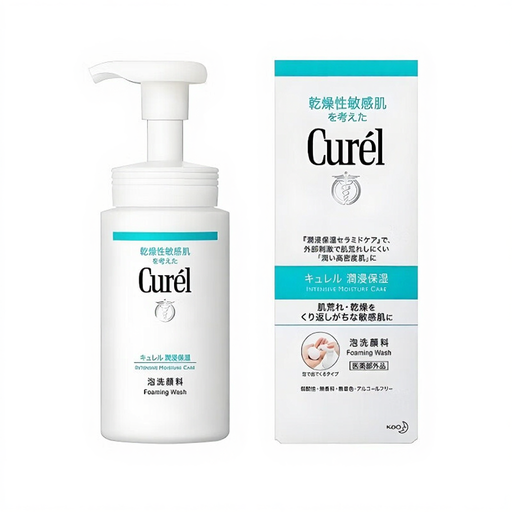
Why it stands out: The whipped texture is designed for a straightforward morning and evening routine and, according to the product description, is intended for sensitive skin.
Applying the fine foam may help minimise vigorous rubbing. The product description mentions hydrating ingredients and cleansing without leaving the skin feeling dry.
150 ml fill volume, glycerin in the INCI list, plus surfactants such as sodium cocoyl glutamate and sodium lauroyl aspartate.
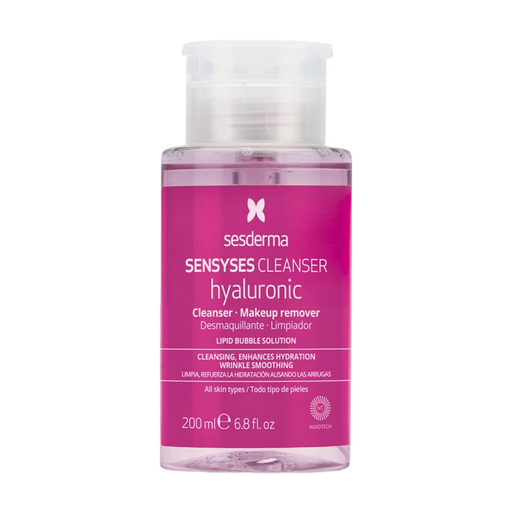
Why it stands out: The liquid cleanser is applied with a cotton pad and, according to the product information, is particularly intended for dehydrated, sensitive or mature skin.
The formula does not rely on a rich lather. According to the product information, no rinsing is required, which can simplify the routine.
200 ml fill volume, hyaluronic acid in three molecular weights according to the product description, plus panthenol.
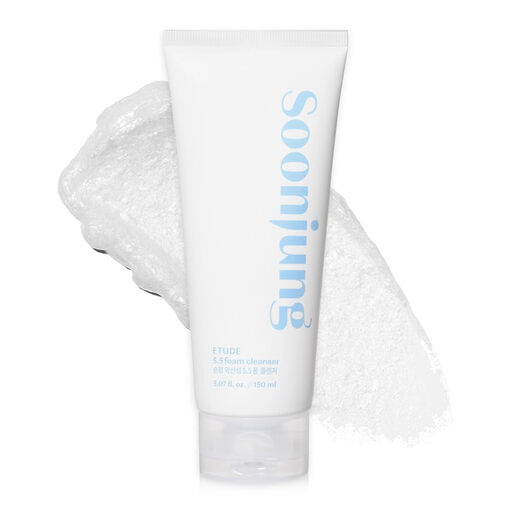
Why it stands out: This Korean facial cleanser specifies a pH of 5.5 and is designed for a simple foaming routine.
The specific “pH 5.5” claim is more informative than a general skin-neutral pH marketing statement. The ingredients list includes panthenol and madecassoside.
150 ml fill volume and a formula described by the supplier as free from fragrances, parabens and synthetic colourants.
We have put together a complete, up-to-date selection of facial cleansers for sensitive skin, so you can compare texture, skin type, ingredients and fill volume at a glance.
When introducing a new facial cleanser, add only one new product to your routine at a time. If redness, burning or itching occurs, discontinue use. If symptoms persist, consulting a dermatologist is advisable.
A cleansing milk, cleansing cream or hydrating facial cleanser may feel more comfortable on dry skin than a strongly foaming formula. Ingredients such as glycerin or panthenol can serve as useful reference points. Ultimately, how your skin feels after cleansing remains decisive.
No. A stated pH value can help you assess a product, but it does not replace checking the surfactants, fragrances and other ingredients. Even a product with a specified pH may not be suitable for everyone.
For many routines, cleansing in the evening is useful for removing sweat, sunscreen and make-up. In the morning, depending on your skin’s condition, a brief cleanse or lukewarm water may be sufficient. Always follow the product instructions and consider your individual tolerance.