
Lieferung heute & morgen

Qualitätsgarantie

Willkommens-Angebote freischalten: KOSTENLOSE Lieferung | Bis zu 80 % RABATT | Kostenlose 30-Tage-JoyPlus-Testphase
App herunterladen
A facial cleansing foam can make your daily cleansing routine pleasant and straightforward. However, it is not simply a question of how voluminous the foam is. Your skin type, surfactants, fragrances, pH value, packaging and how the product is actually used all determine whether a facial cleansing foam cleanses gently or leaves your skin feeling dry and tight after washing.
The selection ranges from Japanese formulations such as Senka, Bifesta and FANCL to Korean products from, Pyunkang Yul and Purito. The following criteria can help you assess marketing claims objectively and choose a facial cleanser suited to your individual needs.
Dense foam feels pleasant, but it is not in itself proof of better cleansing performance. The formulation and surfactants used are more important than the number of visible bubbles. Massaging a product in for too long or with too much pressure can unnecessarily irritate the skin.
For daily facial cleansing, a short, gentle massage on damp skin is usually sufficient. The foam should then be rinsed off thoroughly with lukewarm water.
Terms such as pore cleansing, “Deep Cleansing” or “clarifying” particularly appeal to people with oily or blemish-prone skin. Activated charcoal, clay and certain acids can remove dirt and excess sebum. However, a strongly degreasing formula may feel uncomfortable on dry or sensitive skin.
A facial cleanser for blemish-prone skin should therefore not automatically be used for especially long periods both morning and evening. If you experience tightness, redness or stinging, a shorter application or a milder facial cleanser may be more suitable.
Glycerin, hyaluronic acid, ceramides and squalane are understandable choices for creating a pleasant skin feel. However, as a facial cleanser is rinsed off, you should not assume it will provide long-term skincare benefits. Even a moisturising facial cleanser does not replace your subsequent skincare routine.
If you have sensitive skin, it is worth checking for perfume, essential oils, alcohol and fragrance allergens that must be declared. The INCI list currently shown on the packaging is the one that matters, as formulations can change.
Surfactants dissolve dirt, sun cream and excess sebum. Amino-acid-based or mild amphoteric surfactants are often used in gentle formulations. A stated pH value, such as pH 5.5, can provide useful guidance, but it is not the only indication of quality.
With a Japanese facial cleanser or Korean facial cleanser, always compare the product description with the full ingredients list on the packaging. Origin and brand image alone say little about how suitable a product will be for your individual skin.
Pump bottles dispense ready-to-use foam and make it easier to measure out a consistent amount. Tubes usually require only a small quantity, which is lathered with water. Aerosol products such as carbonated cleansing foams should be stored upright in a cool place, away from heat and naked flames.
For most products, the process is simple: dampen your face, use a small amount or the recommended number of pumps, spread gently and rinse thoroughly. If you are wearing make-up or water-resistant sun protection, a suitable cleansing oil or micellar product may be needed beforehand.

Why this product suits the profile: The tube is ideal for anyone looking for a Japanese facial cleanser that creates a creamy lather and requires only a small amount per use.
The recommended method focuses on lathering with water and spreading gently, rather than rubbing vigorously or massaging for a long time.
120-g tube; according to the product information, contains Glycerin, Sodium Hyaluronate and hydrolysed silk protein.
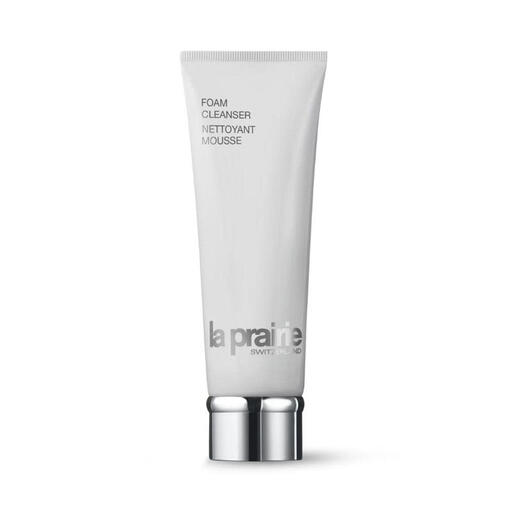
Why this product suits the profile: The 125-ml version is aimed at people who prefer a high-quality texture and a clearly defined premium positioning.
The ingredients list is available to view, and the instructions explicitly advise avoiding the immediate eye area.
Rich foaming texture; according to the product information, contains Glycerin as well as aloe, apple and gentian extracts.
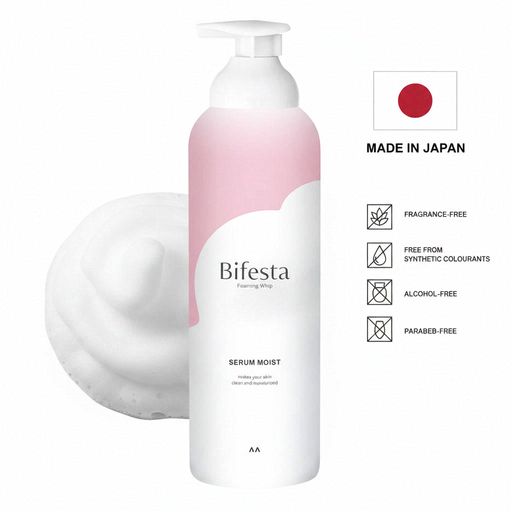
Why this product suits the profile: The pump foam is suitable for daily routines when you want consistent dosing without having to create the lather yourself.
The ready-to-use foam makes measuring out the product easier. Because of the propellant, the container must be protected from heat and naked flames.
200-g contents; according to the product information, contains Glycerin, Sodium Hyaluronate and soluble collagen.
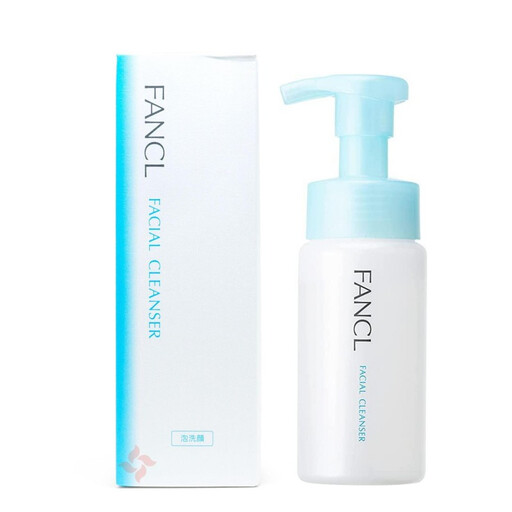
Why this product suits the profile: According to the product information, the pump bottle dispenses foam directly, making it practical for a regular morning and evening routine.
The recommended amount of three to four pumps provides clear guidance and helps prevent using too much product.
150 ml; according to the product information, contains Ceramide NG, Sodium Hyaluronate, Glycerin and amino-acid-based cleansing components.
If you experience redness, itching, stinging or any other unusual reaction, stop using the product. Products should not be applied to damaged, swollen or eczema-prone skin. The instructions on the relevant packaging take priority.
For many people, using it once a day in the evening is sufficient. In the morning, water or a mild facial cleanser may be enough. If you have oily skin or your skin is exposed to a lot of sweat and sun protection, cleansing twice a day may be suitable, provided your skin does not feel tight or become irritated.
Yes, provided the formula is mild and does not leave a strong feeling of dryness after washing. A facial cleanser for dry skin containing glycerin, ceramides or squalane may feel more comfortable in everyday use. Fragrances and strongly degreasing products should be assessed according to your individual skin needs.
How long a pack lasts depends on the packaging, dosage and frequency of use. Tubes often require only small amounts, while pump bottles dispense a set quantity. Statements such as “approximately 60 applications” should be understood as manufacturer information; actual consumption and the product’s shelf life after opening may vary.