
Lieferung heute & morgen

Qualitätsgarantie

Willkommens-Angebote freischalten: KOSTENLOSE Lieferung | Bis zu 80 % RABATT | Kostenlose 30-Tage-JoyPlus-Testphase
App herunterladen
A facial cleansing foam should remove dirt, excess sebum and residue without leaving your skin feeling uncomfortably dry or tight. The choice ranges from Japanese facial cleansers with creamy foam to Korean facial cleansers containing Cica extracts. However, a high price, especially dense foam or phrases such as “deep pore cleansing” are not, on their own, reliable selection criteria.
A rich lather feels pleasant, but it says little about the actual formulation. The key factors are the surfactants used, the time the product is left on the skin and the skincare that follows. A gentle cleansing foam can clean just as thoroughly as a product that produces a lot of foam.
Product descriptions often highlight glycerin, hyaluronic acid, panthenol or plant extracts. These ingredients may form part of the skincare formulation. However, whether a moisturising facial cleanser feels comfortable on your skin depends on the formula as a whole. Fragrances, essential oils or alcohol can be problematic for sensitive skin.
A facial cleanser containing salicylic acid or other actively promoted ingredients is not automatically suitable for daily use on every skin type. If you experience redness, stinging or persistent blemishes, stop using the product and seek dermatological advice if necessary. A facial cleansing foam for blemish-prone skin is not a substitute for medical treatment.
Formulations with mild surfactants and nourishing ingredients are often suitable for dry or sensitive skin. Look for indications such as “for sensitive skin”, “fragrance-free” or “alcohol-free”, but also check the complete INCI list on the packaging.
For oily skin or skin prone to excess sebum, a more deeply cleansing product may be useful. However, a persistent tight feeling after washing suggests that you should reduce cleansing or switch to a gentler facial wash foam.
Glycerin, Sodium Hyaluronate, Panthenol, Ceramides and amino acids are often used in formulations to leave the skin feeling smoother and more supple. Cica, also known as Centella asiatica, is found particularly in Korean formulations for sensitive skin.
Acids such as salicylic acid, lactic acid and malic acid deserve particular attention. They may form part of a clarifying or exfoliating formula, but they are not equally suitable for every skincare routine. The current ingredients list for the specific product is the deciding factor.
Compare the fill quantity and dispensing format: 100 to 150 ml is suitable for trying a product for the first time, while 200 to 300 ml can be more practical for frequent users or a shared household. A pump dispenser produces the foam straight away and can make it easier to dispense the right amount. Aerosol products require special storage because of their pressurised containers and must not be heated or damaged.
Use lukewarm water rather than hot water. A small amount is usually enough. Gently spread the foam with your fingertips, then rinse it off thoroughly. Vigorous rubbing is not necessary for deep pore cleansing.
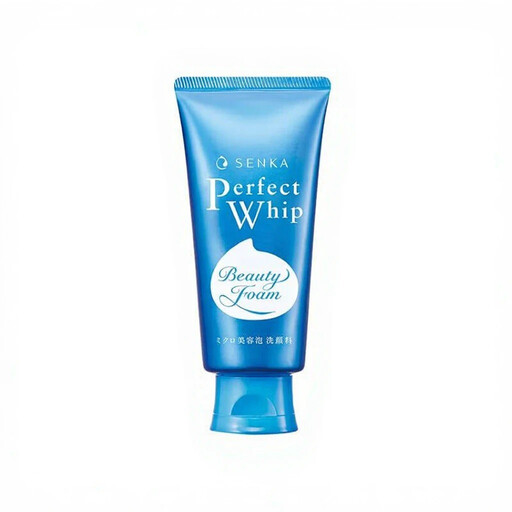
Why this product suits this profile: The 120 g tube is a manageable size for trying a Japanese facial cleanser for the first time. According to the product description, the formula contains glycerin, Sodium Hyaluronate and silk protein, among other ingredients.
The clearly stated fill quantity makes it easier to compare costs. However, you should still check the INCI list on the packaging to assess how well the product suits your skin.
Creamy foam, 120 g fill quantity and Japanese brand heritage according to the product details.
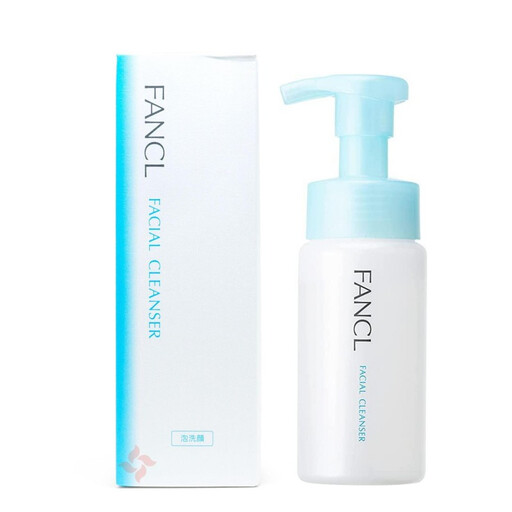
Why this product suits this profile: The pump dispenser releases the foam straight away, making it practical for a consistent morning and evening routine. According to the product description, it contains ceramides and amino acid-based cleansing ingredients.
The product details recommend three to four pumps, helping to prevent unnecessary overuse.
150 ml pump dispenser, ready-to-use foam and ceramides according to the manufacturer’s information.
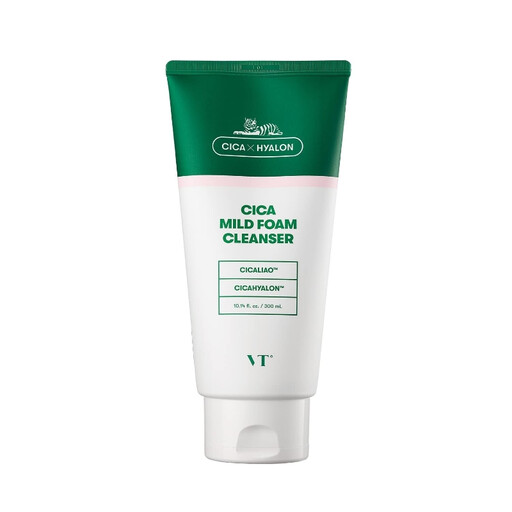
Why this product suits this profile: The 300 ml size is aimed at households or people who cleanse their face every morning and evening. Cica, also known as Centella asiatica, is part of the stated formulation.
The generous fill quantity reduces the need to reorder frequently. If you have sensitive skin, it is advisable to carry out a small patch test before using the product regularly.
300 ml contents and a Cica-focused formula according to the product description.
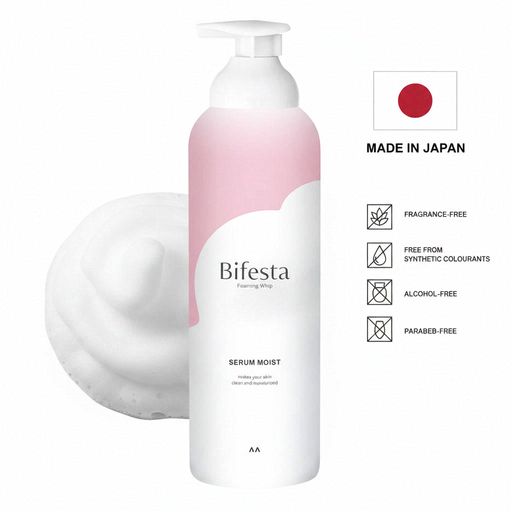
Why this product suits this profile: This Japanese facial cleanser is described as a variant for normal to dry skin and dispenses ready-made foam. This can reduce the friction caused by vigorously lathering the product in your hands.
The dosage is immediately visible, while the 200 g can makes it easier to plan regular use. Aerosol products must be stored and handled in accordance with the relevant safety instructions.
200 g contents, ready-made foam, and hyaluronic acid and collagen according to the product details.
We have put together a complete, regularly updated list of products that fully meet these strict selection criteria and the safety regulations applicable in the EU.
Depending on the product, make-up and water-resistant sun care may require separate pre-cleansing. A single cleansing foam does not have to remove every type of residue completely.
For many routines, using it in the morning and evening is sufficient. If you have dry or sensitive skin, cleansing with water in the morning may be enough. The key factors are how your skin feels, the product formulation and the skincare that follows.
The expiry date, batch number and, where applicable, the period of use after opening are stated on the packaging. Store the product closed, in a dry place and away from direct sunlight. An altered smell, unusual consistency or skin reactions are reasons to stop using the product.
The price depends on factors including the brand, origin, fill quantity, dispensing system and ingredients. For this reason, compare the price per 100 ml and the recommended dosage. A larger pack is only cost-effective if it is used regularly and can be finished within the stated shelf life.