
Lieferung heute & morgen

Qualitätsgarantie

Willkommens-Angebote freischalten: KOSTENLOSE Lieferung | Bis zu 80 % RABATT | Kostenlose 30-Tage-JoyPlus-Testphase
App herunterladen
A facial cleansing milk should remove make-up, sebum and everyday dirt without leaving your skin feeling tight afterwards. But if you have dry, mature or sensitive skin, choosing one involves more than just fragrance, packaging or brand recognition. Texture, ingredients, how to use it and whether it suits your skin type all matter.
Descriptions such as “mild”, “soothing” or “for sensitive skin” are marketing claims. It’s still important to check the ingredients list. Perfume and fragrance allergens that must be declared, such as Limonene, Linalool, Citronellol or Geraniol, may be relevant if you’re sensitive to them. If your skin is prone to irritation, consider a fragrance-free cleansing milk or one with a straightforward formula.
Not every facial cleansing lotion is automatically suitable for the eye area. Waterproof make-up, mascara and long-wear foundation may need a different level of cleansing than everyday dirt. If you have sensitive eyes, wear contact lenses or have eyelash extensions, follow the relevant manufacturer’s instructions. Always remove contact lenses before use.
Creamy facial cleansing milk can be applied to dry skin and then rinsed off or removed with a damp cloth. Micellar milk or a micellar product, on the other hand, is often used with a cotton pad and may not need rinsing, depending on the product. The directions on the packaging are therefore more important than a general claim on the label.
When choosing cleansing milk for sensitive skin, your personal tolerance should come first. Fragrance-free products may be a practical choice if you’re sensitive to fragrance. For dry skin, ingredients such as glycerin, plant oils, shea butter or emollient lipids may be included in many formulas. However, they’re no substitute for checking how your skin responds.
If you prefer natural or vegan skincare, check the specific product labelling. “Natural” doesn’t automatically mean better tolerated. Plant extracts and essential oils can also contain fragrance.
A milky or lotion-like texture is usually easy to spread without vigorous rubbing. This can be especially useful for mature skin or skin prone to irritation. If you wear long-wear or waterproof make-up, a make-up remover for the eyes and lips may be a good option. A micellar facial cleansing lotion is often handy for a quick cleanse with cotton pads.
Check for the following information:
Pump bottles make it easy to dispense a measured amount and are practical for everyday use. Refill pouches or larger packs may be more economical if you use a lot, but they need to be stored hygienically. With cleansing milk for dry skin, a larger amount isn’t necessarily needed: what matters is using enough to spread the product evenly without unnecessary rubbing.
For every product, check the expiry date, batch number and any instructions for use after opening on the packaging. Stop using the product if you experience burning, redness or itching.
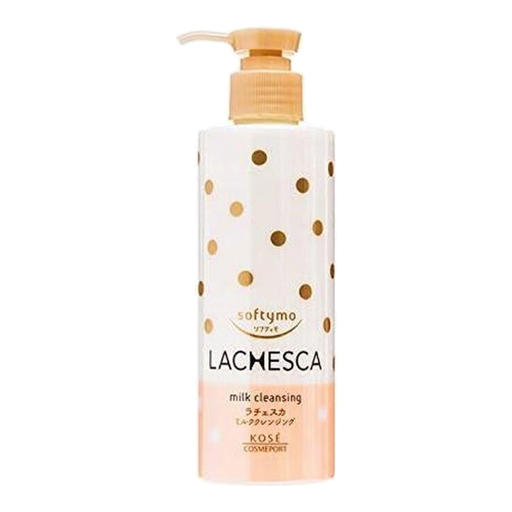
Why it suits this profile: The 200 ml pump bottle makes it easy to dispense. According to the product description, the milky texture can dissolve make-up and impurities, and the product is designed for use with eyelash extensions.
The directions specify how much to use and recommend a gentle vertical motion around extensions. Rinse immediately if the product gets into your eyes.
200 ml, a pump dispenser and a milky texture described as suitable for removing make-up.
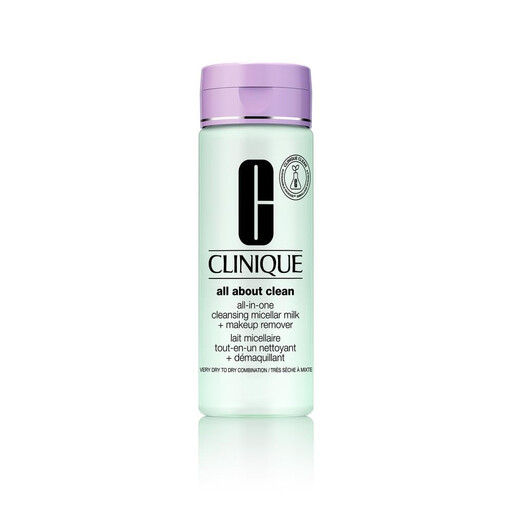
Why it suits this profile: According to the product description, this micellar milk is fragrance-free and designed for dry and very dry skin. It has also been ophthalmologically and dermatologically tested. It can be applied to the face, eyes and lips with a cotton pad.
The product information specifically says it’s suitable for sensitive eyes and contact lens wearers. If irritation persists, follow the safety instructions on the packaging.
A formula described as fragrance-free, 200 ml and no need to rinse after use.
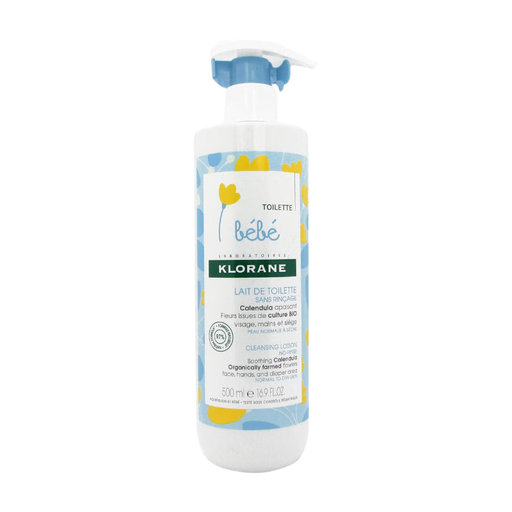
Why it suits this profile: The 500 ml size is designed for families and regular use on the face, body or nappy area. According to the product description, there’s no need to rinse it off.
The stated minimum age of 0 months and guidance on use across several areas of the body help families choose with confidence. Avoid contact with the eyes.
500 ml, calendula and, according to the product description, 97 per cent ingredients of natural origin.
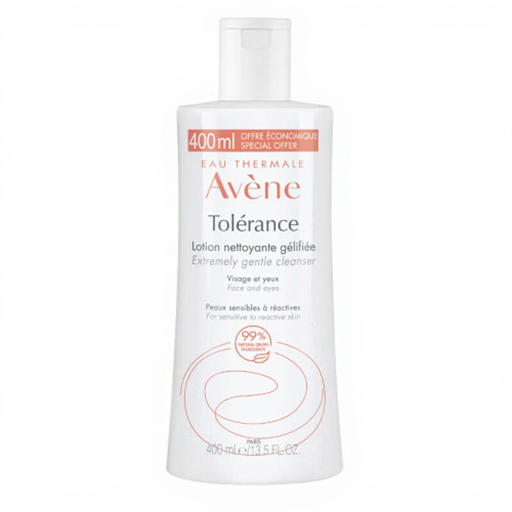
Why it suits this profile: According to the product description, this cleansing lotion is fragrance-free, designed for the face, eyes and lips, and formulated for use without rinsing.
The manufacturer describes the formula as fragrance-free and gives clear instructions for use without rinsing. If you have sensitive skin, it’s still worth checking how your skin responds.
400 ml, a gel-lotion texture and, according to the product description, 99 per cent ingredients of natural origin.
We’ve put together a complete, regularly updated list of products that meet these strict selection criteria and fully comply with the safety regulations in force in the EU.
When using baby cleansing milk, follow the product’s age and usage instructions only. Products for adults aren’t automatically suitable for babies’ skin.
Cleansing milk for dry skin can be a creamy, non-foaming alternative to cleansers that strip away too much oil. Whether it’s suitable for you depends on the individual formula and how well your skin tolerates it. Ingredients such as glycerin, oils or emollient lipids may be found in these formulas.
It depends on the product. Many traditional facial cleansing milk products are rinsed off with water after massaging into the skin. Some micellar milk and cleansing lotion products are designed to be removed with a cotton pad without rinsing, according to their directions. Always follow the labelling for the specific product.
Some products are described as suitable for removing eye make-up, while others are specifically not. If you have sensitive eyes, use a cleanser that’s labelled for the eye area. Don’t rub. If the product gets into your eyes, rinse thoroughly with water and stop using it if irritation occurs.