
Lieferung heute & morgen

Qualitätsgarantie

Willkommens-Angebote freischalten: KOSTENLOSE Lieferung | Bis zu 80 % RABATT | Kostenlose 30-Tage-JoyPlus-Testphase
App herunterladen
A facial cleansing milk should dissolve make-up, sun cream, sebum and everyday grime without leaving your skin feeling excessively tight afterwards. However, choosing the right product is not always straightforward: terms such as “natural”, “anti-ageing” or “for sensitive skin” do not automatically indicate whether a product suits your individual needs.
A gentle texture can feel pleasant, but it will not necessarily remove every type of waterproof make-up or long-lasting sun cream. The directions for use and the intended purpose are therefore crucial. Some products are suitable as the first step in a double-cleansing routine, while others are rinsed off directly with water.
“Moisturising”, “vegan” and “natural” are important criteria for many shoppers. On their own, however, they say little about whether a product will suit an individual’s skin. Plant-based fragrances and essential oils may also be unwanted by some people. If you are prone to redness or have sensitive skin, check the complete INCI list on the packaging.
Retailers also sell products labelled “Scrubbing Milk” or “Scouring Milk”. According to the product descriptions, Viss Citrus Scrubbing Milk, Viss Original Scrubbing Milk and Jeden Tag Scouring Milk are cleaning products for surfaces, not facial cleansers. They must not be used on the skin. Facial cleansing milk belongs specifically to the category of cosmetic facial cleansers.
For dry skin, a creamy facial cleanser with nourishing, replenishing properties may be suitable. Ingredients such as glycerin, plant oils and squalane are often used to help the skin feel less dry after rinsing. A cleansing milk for sensitive skin should ideally have a straightforward formula; fragrances and alcohol may be important points to check, depending on your individual tolerance.
A cleansing milk containing nourishing ingredients may also appeal to those with mature skin. However, the term cleansing milk for mature skin does not mean that wrinkles or other skin characteristics will be medically altered. It is simply a cosmetic classification.
A classic cleansing milk is often sufficient for everyday make-up. For waterproof make-up or strongly adhering sun cream, a make-up remover followed by a second cleanse may be useful. A make-up remover for eyes should be used carefully. For eye products, remember to avoid contact with the eyes and stop using the product if irritation occurs.
Micellar cleansing milk combines a milky consistency with micellar technology. Even so, follow the specific instructions: some products are removed with a cotton pad, while others are massaged directly into the skin and rinsed off.
The fill size affects how long a bottle will last with daily use. 150 to 250 ml is common for facial cleansers, while 400 ml may be more practical for frequent users or shared household use. Before buying, it is also worth checking:
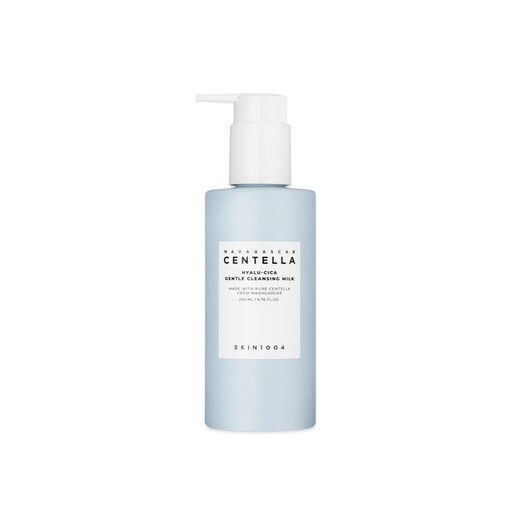
Why this product suits this profile: This 200 ml cleansing milk is designed for daily use and, according to the product description, is suitable for all skin types, including sensitive and dry skin. It removes make-up, SPF and everyday impurities.
The product description specifies what it removes and says that it is rinsed off afterwards. Check the current ingredients list on the packaging before buying.
200 ml; the listed INCI ingredients include Centella asiatica extract, panthenol, glycerin and ceramide NP.
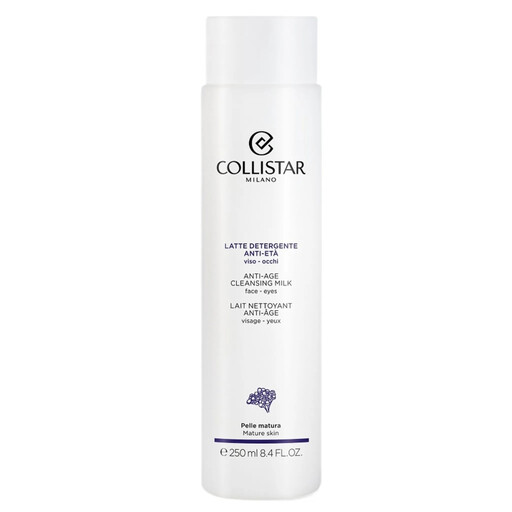
Why this product suits this profile: According to the product information, the formula is vegan, fragrance-free, alcohol-free and silicone-free. This makes it suitable for people who look for specific formulation features in a cleansing milk.
Rather than relying only on general skincare claims, the product clearly states several formulation features. You should still check whether it suits your own skin.
250 ml; according to the product description, suitable for the face and eyes as well as sensitive skin.
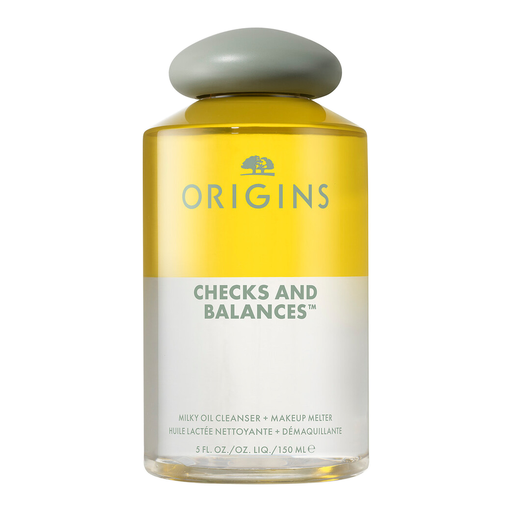
Why this product suits this profile: Apply the product to dry skin, emulsify it with water to create a milky texture, then rinse it off. According to the instructions, it is also suitable for double cleansing.
The clear step-by-step process reduces the risk of using an oil-to-milk product like a conventional facial cleanser. If you have sensitive eyes, follow the stated safety advice.
150 ml; the listed ingredients include glycerin, rice bran oil, squalane and almond oil.
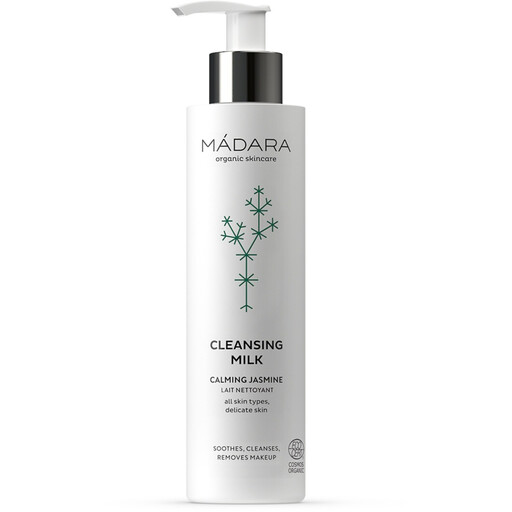
Why this product suits this profile: The product description names dry, sensitive and mature skin as its target audience. It can be used on dry or damp skin and is rinsed off afterwards.
The information explicitly states that the formula is vegan and contains natural oils, but it also lists several fragrance ingredients. If you want to avoid fragrances, choose another product.
200 ml; according to the product information, vegan and cruelty-free, with jasmine extract and several plant oils.
We have put together a complete, regularly updated list of products that fully meet these strict selection criteria and the safety regulations applicable in the EU.
A second cleanse may be needed for make-up that adheres strongly. However, massaging for longer or rubbing more firmly does not automatically improve cleansing performance.
It is often used on dry skin because of its creamy texture. However, whether it is suitable depends on your individual tolerance and the formulation. Glycerin, oils and squalane can affect how your skin feels, while fragrances may be a deal-breaker for some people.
That depends on the individual product. Some formulas are rinsed off with water, while others are removed with a cotton pad or damp cloth. The manufacturer’s instructions on the product and packaging take priority.
According to their product descriptions, some products are suitable for the face and eyes, while others expressly advise avoiding contact with the eyes. For waterproof eye make-up, use a make-up remover for eyes specifically intended for this purpose. If you experience stinging, redness or any other irritation, stop using the product and rinse thoroughly with water.