
Lieferung heute & morgen

Qualitätsgarantie

Willkommens-Angebote freischalten: KOSTENLOSE Lieferung | Bis zu 80 % RABATT | Kostenlose 30-Tage-JoyPlus-Testphase
App herunterladen
A facial cream with niacinamide can support different skincare goals depending on its formulation: hydration, a more balanced-looking complexion, reduced shine or comfortable care for sensitive skin. However, the active ingredient named on the front is not the only deciding factor. Texture, additional ingredients and intended use all determine whether a niacinamide cream is genuinely suitable for your skin in everyday life.
A concentration such as 5% or 10% says little on its own about how well the overall formula will be tolerated. Other ingredients, such as fragrance, alcohol, acids or essential oils, may be more relevant for sensitive skin. A lower concentration in a well-balanced formulation can therefore be more practical than a product with a prominent percentage claim.
A rich anti-ageing facial cream can leave oily skin feeling heavy. Conversely, a lightweight gel cream may not provide enough care for very dry skin. A facial cream for pigmentation also does not replace daily sun protection. Products containing salicylic acid or other acids should be introduced particularly carefully, taking your individual tolerance into account.
Terms such as ‘Glow’, ‘Repair’ or ‘Brightening’ often describe a product’s positioning rather than guaranteeing a particular result. Instead, check the complete INCI list. Niacinamide should be clearly listed where possible. Details of glycerin, hyaluronic acid, panthenol, squalane or ceramides can also help you assess the product’s skincare focus.
Niacinamide is often combined with moisturising ingredients or other skincare actives. Products for blemish-prone skin may contain salicylic acid or zinc compounds, for example. Such combinations can be appealing for oily-looking skin, but they also make it more important to introduce the product carefully. A night cream with niacinamide, on the other hand, often focuses on richer conditioning ingredients, panthenol or hyaluronic acid.
Apply the cream to cleansed skin and follow the manufacturer’s instructions. When trying new active ingredient combinations, avoid using them at the same time as several exfoliants or highly active products to begin with. For daytime skincare and visible pigmentation, a separate sunscreen with a suitable SPF should be part of your routine. A product with SPF can fulfil this role provided it is applied sufficiently and regularly.
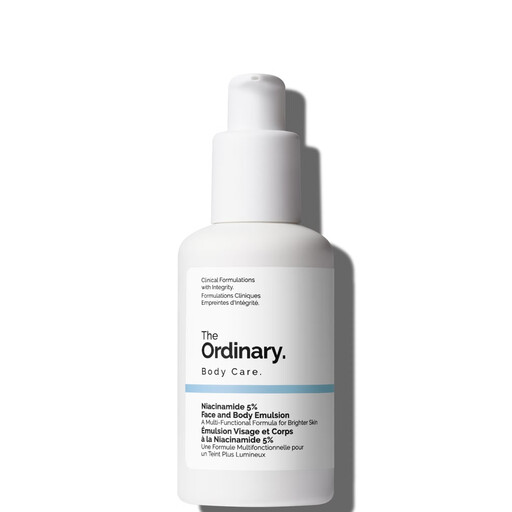
Why this product suits this profile: The emulsion clearly states a 5% niacinamide concentration and is intended for the face and body. The 100ml format may appeal to anyone looking for clearly labelled, versatile skincare.
The active ingredient concentration and intended areas of use are stated transparently. This makes it easier to compare the product with your own routine.
5% niacinamide, a lightweight emulsion texture and 100ml capacity according to the product details.
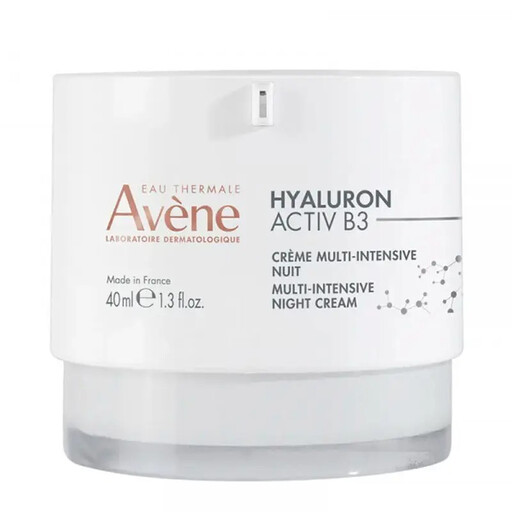
Why this product suits this profile: According to the product description, this night cream combines niacinamide with hyaluronic acid and is suitable for all skin types, including sensitive skin.
Its positioning as a night cream avoids an unclear combination of daytime skincare, make-up base and sun protection.
40ml capacity, hyaluronic acid and niacinamide; according to the product details, it is also suitable for sensitive skin.
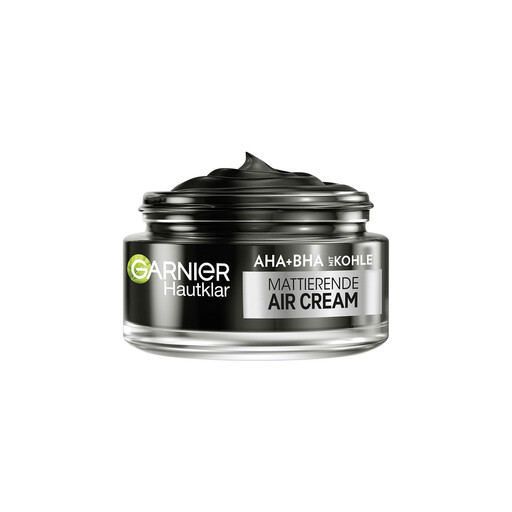
Why this product suits this profile: The lightweight gel texture is described as mattifying care for skin prone to blemishes and excess shine.
The product description explicitly lists niacinamide, BHA and AHA. If your skin does not tolerate acids, you can take this combination into account before buying.
Gel texture, niacinamide and salicylic acid according to the INCI list; 50ml capacity.
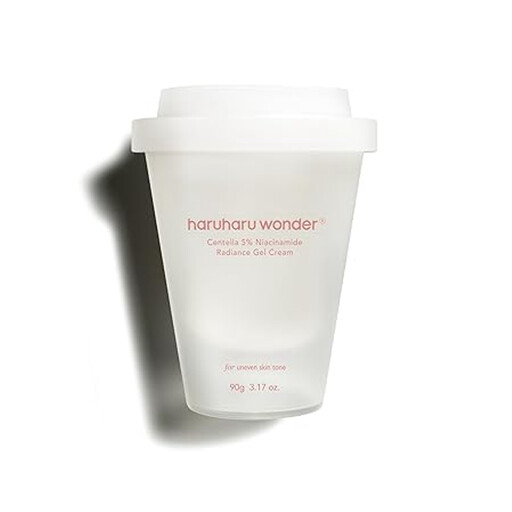
Why this product suits this profile: This Korean facial cream combines 5% niacinamide with centella, panthenol and squalane in a lightweight, fragrance-free gel cream.
Its fragrance-free formula and clearly stated 5% niacinamide make it easier to assess as part of a streamlined skincare routine.
5% niacinamide, a fragrance-free formula and 90g capacity according to the product description.
We have put together a complete, regularly updated list of products that fully meet these strict selection criteria and the safety regulations applicable in the EU.
This depends on the particular formulation and your individual tolerance. When trying a new product, start by applying it once a day or on individual days of the week. If you experience redness, burning or persistent irritation, stop using it for a while. Also follow the instructions on the packaging.
Niacinamide is used in many formulations for different skin types. However, tolerance depends on the entire formula. So check for fragrance, alcohol, acids and other active ingredients. Testing a small area can help you assess your individual reaction before using the product regularly.
Yes, a niacinamide cream can form part of your morning skincare routine. However, it does not automatically replace a separate sunscreen. If you have visible pigmentation or use acids, suitable sun protection is particularly important. Apply a sufficient amount and reapply your sunscreen during extended periods outdoors.