
Lieferung heute & morgen

Qualitätsgarantie

Willkommens-Angebote freischalten: KOSTENLOSE Lieferung | Bis zu 80 % RABATT | Kostenlose 30-Tage-JoyPlus-Testphase
App herunterladen
A facial exfoliator for blackheads can help remove dead skin cells, excess sebum and surface impurities from your skincare routine. Choosing one isn’t always straightforward, though. Facial peeling gels, BHA exfoliators, cleansing scrubs and AHA BHA PHA exfoliators all work differently and can feel quite different on your skin.
If you focus only on terms such as “pore cleanser for the face” or “blackhead remover”, it’s easy to overlook important details. The ingredients, the level of physical exfoliation and how often you can realistically use the product all matter.
Menthol, alcohol, fragrance or coarse particles can create a noticeable sensation when you apply a product. But that doesn’t reliably tell you whether it’s suitable for your skin. If your skin is sensitive or already irritated, a formula like this may feel uncomfortable.
Sugar, pumice, cellulose beads and other exfoliating particles can remove surface flakes, but scrubbing firmly puts more strain on your skin. If you also use a brush, cleansing pads or another exfoliator, you may be combining several sources of irritation in one routine.
Some cleansing products are described as suitable for daily use. That doesn’t automatically mean you should use them every day on every skin type. With a BHA exfoliator or a concentrated acid formula, it’s usually better to introduce it gradually. Follow the packaging instructions and pay attention to how your skin responds.
A physical scrub uses particles and is applied to damp skin. It may suit normal or oily skin, provided you use only light pressure. A facial peeling gel is often massaged into dry skin. Cellulose ingredients may bind with product residue and roll off as you massage. These visible “rolls” don’t automatically prove that only dead skin cells have been removed.
Chemical exfoliators contain ingredients such as salicylic acid, also known as BHA, glycolic acid or other acids. BHA is oil-soluble, so it’s often chosen for skin with excess sebum and pores that appear congested. An AHA BHA PHA exfoliator combines different types of acids, but may be more challenging for beginners.
Ingredients are listed on the packaging in INCI order. For a facial exfoliator for oily skin, salicylic acid, clay or niacinamide may be worth looking for. If you’re choosing an exfoliator for sensitive skin, check for alcohol, parfum, essential oils and fragrance ingredients that must be declared.
A short ingredients list isn’t automatically better. It can, however, make it easier to assess a product if you need to account for known sensitivities. If batches change, always check the current packaging.
Don’t use exfoliators on open wounds, broken skin or areas that are acutely irritated. When trying a new product, start by testing it on a small area. Avoid the eye and lip areas. If you use an acid-based product, it’s a good idea to wear suitable sun protection during the day. Using more product or leaving it on for longer won’t automatically give you better results.
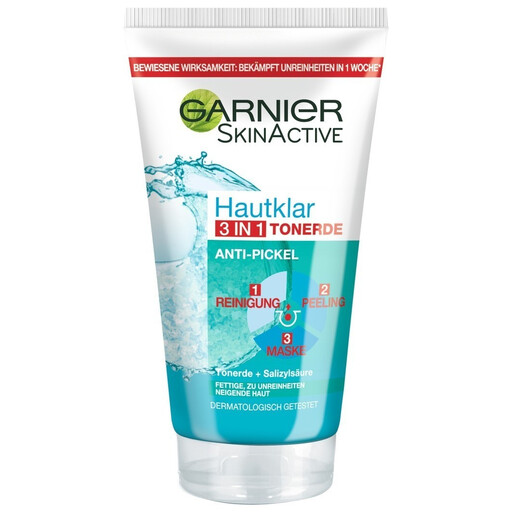
Why this product suits this profile: This 3-in-1 product can be used as a cleanser, scrub or mask. According to the product description, it contains kaolin, fine pumice particles and salicylic acid.
Its flexible use means you don’t need to buy three separate products for cleansing, exfoliating and masking. If you use it as a scrub, apply only light pressure.
150 ml of product, kaolin and several suggested ways to use it in one tube.
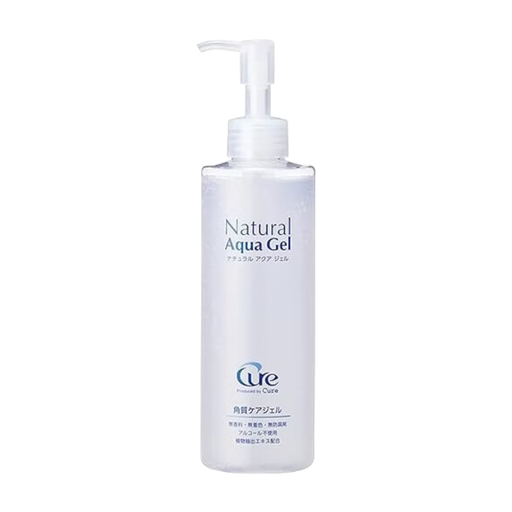
Why this product suits this profile: With 250 g of product, this gel is designed for regular use. According to the product description, it’s free from fragrance, colourants, parabens and alcohol.
The instructions recommend applying it to dry skin without vigorous rubbing. This helps you avoid the temptation to use coarse particles or press too hard.
250 g of product and a minimalist formula described as alcohol-free and fragrance-free.
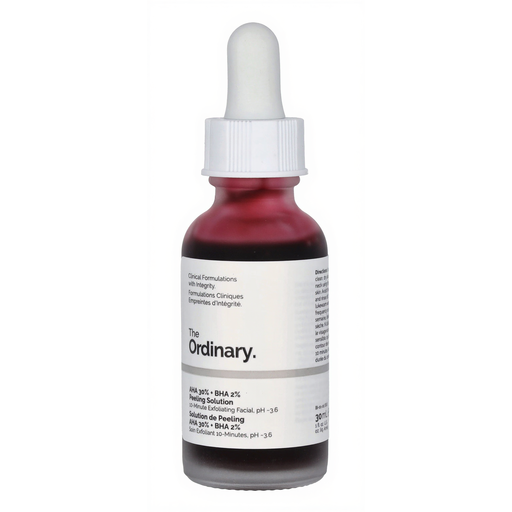
Why this product suits this profile: The combination of AHA and BHA is aimed at users looking for a highly concentrated product to use occasionally and with care.
The instructions limit use to no more than twice a week and a maximum of ten minutes. This encourages controlled use rather than spur-of-the-moment application.
30 ml of product, with the AHA and BHA percentages clearly stated. Don’t use on irritated or broken skin.
We’ve put together a complete, regularly updated list of products that meet these strict selection criteria and fully comply with the safety regulations in force in the EU.
It depends on the formula and how your skin responds. Physical scrubs are often used once or twice a week. With BHA products, it’s best to start slowly and leave longer gaps between applications. Always follow the manufacturer’s specific instructions.
The two options work in different ways. BHA exfoliates chemically and is often chosen for oily skin and pores that appear congested. A peeling gel is usually used by massaging it gently into the skin. If you have sensitive skin, a fragrance-free, alcohol-free formula may matter more than the product category itself.
Check the PAO symbol on the packaging, such as “12M”. You should also check the best-before date, batch number, smell, colour and consistency. Store products somewhere dry, keep them closed and protect them from direct heat and sunlight.