
Lieferung heute & morgen

Qualitätsgarantie

Willkommens-Angebote freischalten: KOSTENLOSE Lieferung | Bis zu 80 % RABATT | Kostenlose 30-Tage-JoyPlus-Testphase
App herunterladen
A facial mask for pore cleansing can help remove excess oil, dirt and dead skin cells from your skincare routine. However, it’s no substitute for daily cleansing or dermatological treatment. The key is to choose a product that suits your skin’s needs and to look carefully at any claims made about it.
A mask can’t permanently close pores or change their size. However, skin that’s been cleansed and properly hydrated may look temporarily smoother. So claims such as ‘poreless’ or ‘refined instantly and permanently’ shouldn’t be taken as measurable promises.
A clay mask containing kaolin, bentonite or illite can absorb excess oil. But if you use it too often or let it dry completely until it cracks on your skin, your skin may feel dry and tight. If you have combination skin, applying it only to certain areas such as your forehead, nose and chin is often more suitable than applying it all over your face.
Salicylic acid, fragrance, essential oils and alcohol may affect people differently depending on their skin’s sensitivity. Before buying, check the current INCI list, directions for use and warnings on the packaging. If a product contains acids, it’s a good idea to patch test it on a small area of skin first.
A face mask for blemish-prone skin may contain kaolin, bentonite, activated charcoal or salicylic acid. These ingredients have different functions and don’t prove that a product has a medical effect. A face mask for acne shouldn’t be marketed or used as a substitute for medical treatment.
If you want to avoid fragrance, look for terms such as ‘fragrance-free’ or ‘parfum-free’ and check the INCI list. Natural essential oils can also cause reactions in sensitive skin. If you have dry skin, glycerin, hyaluronic acid and other humectants can be useful things to look for.
Before buying, check:
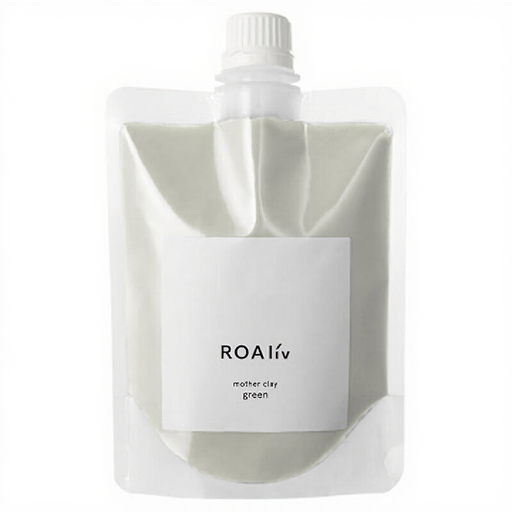
Why this product suits this profile: The 240-g pack is designed for regular use and contains kaolin, bentonite and illite. It’s a good choice if you’re looking for a classic clay mask to help control excess oil.
The ingredients are clearly listed. The recommended short leave-on time of around 5 minutes helps prevent your skin from drying out unnecessarily.
A generous amount, a rinse-off formula and clay ingredients that absorb excess oil.
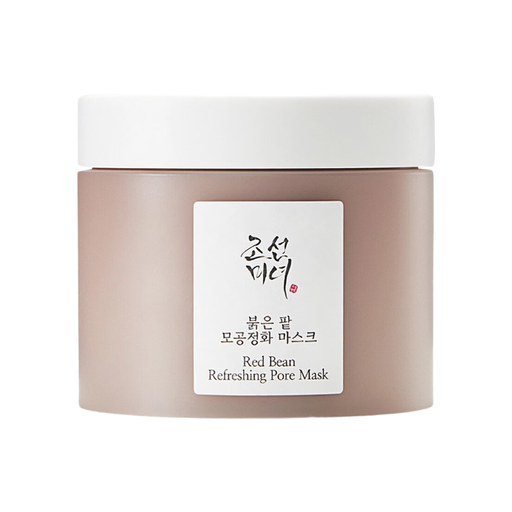
Why this product suits this profile: This Korean pore mask combines kaolin with red bean extract and powder. It’s a good fit if you want to combine cleansing with a nourishing texture.
The product description lists specific ingredients and a leave-on time of 5 to 10 minutes, rather than relying solely on a vague ‘glow’ promise.
Kaolin to absorb excess oil, red bean ingredients for gentle cleansing and a resealable jar.
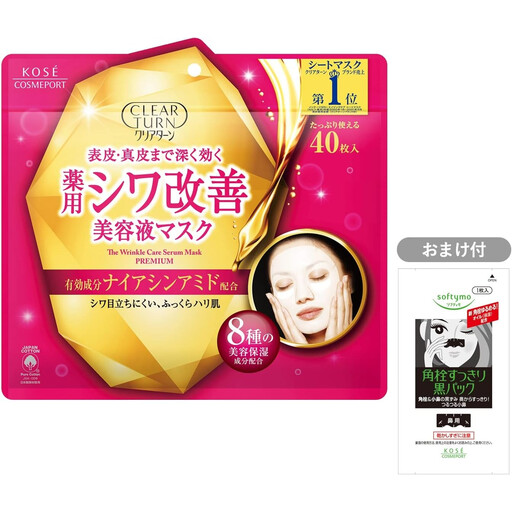
Why this product suits this profile: This Japanese sheet mask comes in a pack of 40, making it a good choice if you want to add a hydrating step to your routine regularly.
A sheet mask isn’t a strongly drying clay mask. It can be a good way to restore moisture if your skin needs hydration after a clarifying treatment.
40 individual masks for easy planning, in a no-rinse format. Check the product information on the packaging before buying.
We’ve put together a complete, regularly updated list of products that meet these strict selection criteria and the safety requirements in force across the EU.
Start by cleansing your face with a gentle cleanser, then pat it dry. Apply a thin, even layer of a rinse-off mask, avoiding the eye and lip areas. Leave it on for the recommended time, then rinse it off with lukewarm water.
For a sheet mask, start with clean skin. Don’t leave it on until it has dried completely. If your skin is sensitive, avoid using several strong clarifying or exfoliating products on the same day. During the day, include suitable sun protection in your skincare routine, especially if you’re using products containing acids.
Depending on the formula, one or two applications a week are common. If you have oily skin, applying a clay mask to your T-zone may be enough. Your skin’s reaction and the manufacturer’s instructions are what matter. If you experience redness, stinging or persistent tightness, stop using the mask for a while.
A mask for blackheads may contain clay, activated charcoal or salicylic acid. These ingredients can help care for the skin’s surface and the appearance of congested pores. Don’t try to treat persistent or inflamed skin concerns yourself by using increasingly strong masks; seek advice from a dermatologist instead.
It depends on the product. Check the symbol showing how long it can be used after opening, the printed expiry date and the manufacturer’s instructions. If the product’s smell, colour or consistency has changed, don’t use it.