
Lieferung heute & morgen

Qualitätsgarantie

Willkommens-Angebote freischalten: KOSTENLOSE Lieferung | Bis zu 80 % RABATT | Kostenlose 30-Tage-JoyPlus-Testphase
App herunterladen
A facial moisturiser should hydrate your skin throughout the day and leave it feeling comfortable. However, choosing the right product often leads to disappointing purchases: a cream may be too rich for oily skin, too light for dry skin or unsuitable for sensitive skin because of its fragrance. Terms such as “intensive care”, “soothing” or “for all skin types” also reveal little about the actual formulation on their own.
The Joybuy Product Recommendation Officer selection is therefore based on clear, practical criteria: skin type, texture, ingredients, pack size and directions for use.
“Glow”, “Repair” and “Deep Moisture” are not consistent, legally protected quality categories. The decisive factor is the INCI list on the packaging. Hydrating ingredients such as glycerin, hyaluronic acid, sodium hyaluronate and urea can help bind water. Ceramides, cholesterol and fatty acids are often used in formulations designed to support the skin barrier.
That does not automatically mean that every product is suitable for every skin type. Individual tolerance can vary.
A rich face cream for dry skin may feel heavy on combination or oily skin. Conversely, a lightweight gel cream may not provide enough moisture for dry skin in winter. If you are looking for a non-greasy moisturiser, look for terms such as gel, lotion or milk, and check the product description for details about how it should be used.
Even a face cream marketed as “soothing” may contain fragrance, plant extracts or certain preservatives. If you have sensitive skin or skin prone to redness, it is therefore advisable to check the complete INCI list. New products should initially be tested on a small area of skin. Stop using the product if redness, swelling or irritation occurs.
For dehydrated skin, humectants such as glycerin and hyaluronic acid are relevant ingredients. A hyaluronic acid cream may contain different hyaluronic acid derivatives depending on its formulation. However, the name alone does not indicate how well it will work for you personally.
For dry or stressed skin, ceramides may also be worth considering. A ceramide cream, such as a barrier protection cream, may combine ceramides with other skin-identical lipids. In the product listing, look for names such as Ceramide NP, AP, AS, NS or EOP. However, the quantity of each ingredient is not always apparent from the INCI list.
Cosmetic products sold on the EU market must include information such as the ingredients, the responsible person, the best-before date or period of use after opening, and warnings. When buying, check the details on the original packaging, as formulations and packaging information may be updated.
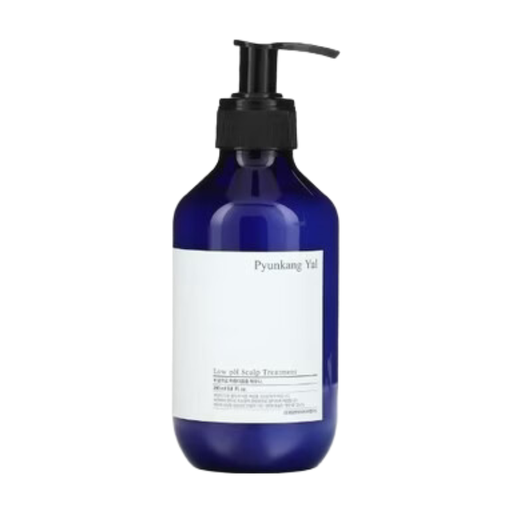
Why this product suits this profile: The large 500 ml pump bottle is designed for daily use on the face and body, making it suitable for shoppers who prefer a versatile product.
The clearly stated volume, application area and INCI list make it easier to assess the product before buying. Ceramides and sodium hyaluronate are explicitly listed.
500 ml contents, use on the face and body, plus several ceramides and hyaluronic acid derivatives in the stated formulation.
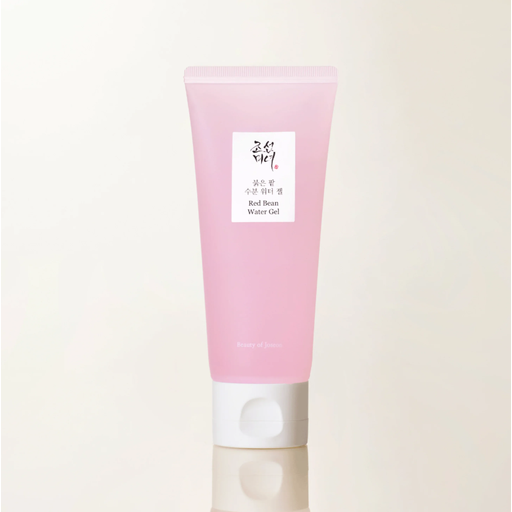
Why this product suits this profile: This gel cream is designed to feel lightweight and absorb quickly, making it suitable for routines where a greasy film is not desired.
The gel-like consistency clearly sets it apart from rich creams. The stated 100 ml quantity also makes it easier to plan your daily facial skincare routine.
Lightweight gel cream, 100 ml contents, plus glycerin, panthenol, allantoin and adzuki bean extract in the stated formulation.
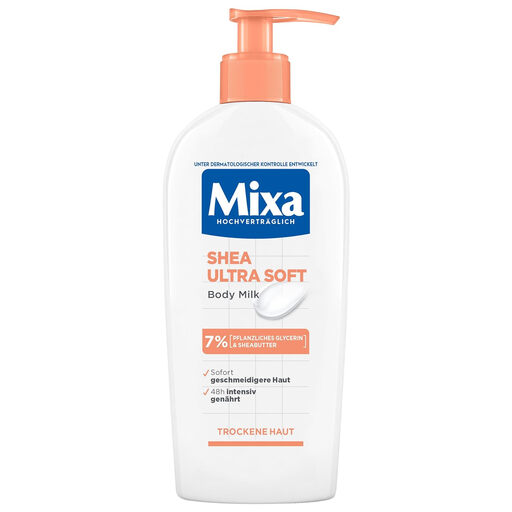
Why this product suits this profile: This body lotion is intended for dry, rough skin and is suitable for daily care over larger areas of skin.
Its use is clearly limited to the body. This helps avoid confusing a rich body moisturiser with a lightweight face cream.
250 ml contents, pump bottle, plus glycerin, shea butter and allantoin in the listed formulation.
We have put together a complete, regularly updated list of products that fully meet these strict selection criteria and the safety regulations applicable in the EU.
Apply your moisturiser after cleansing. If you are using a lotion for the face and body, applying it immediately after drying may be helpful while the skin is still slightly damp. Start with a small amount and increase it if needed. In the morning, a suitable sunscreen should be the final step.
Take particular care with retinol products such as a retinol cream: start by using them infrequently and follow the manufacturer’s instructions. During pregnancy or while breastfeeding, consult a medical professional before using products containing retinol.
A face cream for dry skin should contain nourishing lipids as well as humectants. Depending on the formulation, ceramides, glycerin, squalane or shea butter may be suitable ingredients. What matters most is how the product feels on your skin, how well you tolerate it and what is stated in the complete INCI list.
As a rule, you can apply it morning and evening if the product is intended for this type of use. If you have dry skin, applying it after washing may also be helpful. Follow the instructions on the packaging and reduce use if irritation occurs.
The printed best-before date and the symbol indicating the period after opening, such as “12M”, are the key points of reference. Store the product somewhere dry and cool, protected from direct sunlight. If its smell, colour or consistency changes noticeably, stop using the cream.