
Lieferung heute & morgen

Qualitätsgarantie

Willkommens-Angebote freischalten: KOSTENLOSE Lieferung | Bis zu 80 % RABATT | Kostenlose 30-Tage-JoyPlus-Testphase
App herunterladen
A facial moisturiser should help dry skin feel smoother, reduce feelings of tightness and support the skin barrier as part of your daily skincare routine. However, choosing the right product depends on more than marketing claims such as “intensive hydration”, “Glass Glow” or “Repair”. Your skin type, the texture, ingredients, application and compatibility with your skin are what really matter.
Particularly with sensitive, blemish-prone or mature skin, unsuitable products can quickly lead to unnecessary spending. The following criteria will help you assess marketing claims objectively.
A rich facial moisturiser can be useful for dry skin, but may feel heavy on oily or blemish-prone skin. Conversely, a lightweight gel cream may not provide enough care for very dry skin. Pay attention to the stated skin type suitability and the position of caring ingredients in the INCI list.
Terms such as hyaluronic acid, PDRN, niacinamide, Cica or ceramides sound convincing, but on their own they reveal little about the complete formulation. Fragrances, essential oils, alcohol or certain plant extracts may also be relevant for people with sensitive skin. A moisturiser for sensitive skin should therefore have a relatively straightforward formulation and be tested on a small area of skin before regular use.
A body cream may be suitable for dry hands, elbows or legs, but it may not feel comfortable on the face. Rich oils, waxes or certain esters can leave a shiny or heavy film on some people’s skin. If you are prone to blocked pores, look specifically for a non-comedogenic facial moisturiser and check the product information.
Glycerine and hyaluronic acid are among the ingredients that bind moisture. Ceramides and skin-identical lipids are often used in formulations designed to care for the skin barrier. A ceramide cream may be worth considering for dry or stressed skin, while a Cica cream usually contains Centella asiatica ingredients such as madecassoside.
Korean skincare also includes products containing PDRN, fermented extracts and several humectants. When considering a PDRN cream, check the specific INCI list and the manufacturer’s information. Claims relating to regeneration, healing or therapeutic effects should not be inferred broadly from the name of a single active ingredient.
A 50-ml jar is suitable for facial care and easy to incorporate into a routine. Larger packs such as 250 g or 450 g may be more economical for use on the face and body if the cream is regularly applied to dry areas. Check the following before buying:
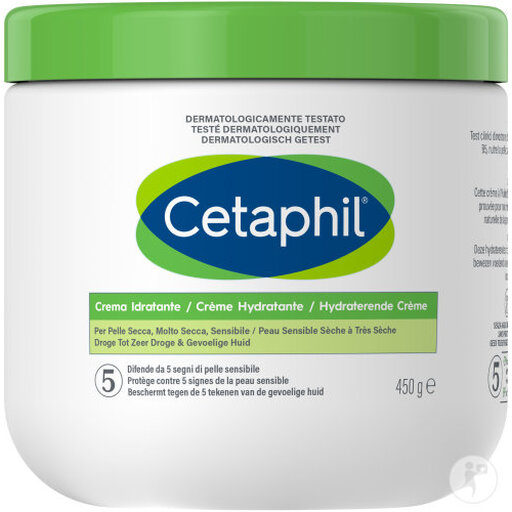
Why this product suits this profile: The large pack is suitable for regular care of the face and particularly dry areas of the body. According to the product information, the cream is fragrance-free and non-comedogenic.
Its suitability for dry and sensitive skin, as well as its fragrance-free formulation, is clearly stated. The INCI list includes glycerine, panthenol and niacinamide, among other ingredients.
450-g pack; fragrance-free formulation described as non-comedogenic.
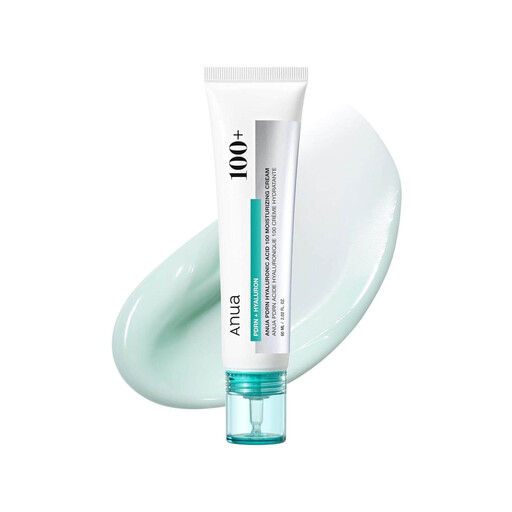
Why this product suits this profile: Those interested in Korean skincare get a combination of PDRN, several forms of hyaluronic acid, panthenol and Centella ingredients.
The product description lists specific ingredients and refers to the current packaging information. This makes it easier to compare the formulation before buying.
PDRN and hyaluronic acid complex; according to the stated INCI list, it contains ceramide NP.
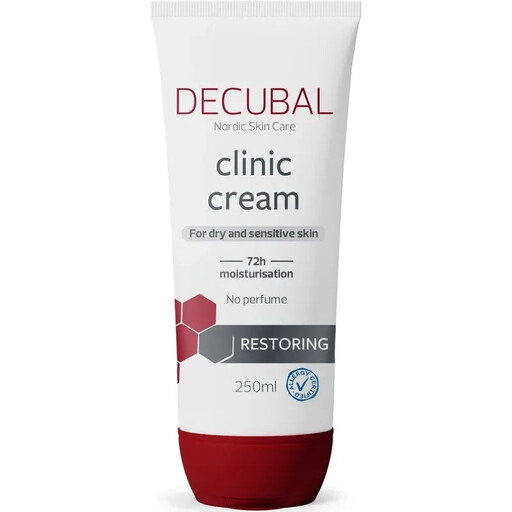
Why this product suits this profile: The larger pack is practical for very dry skin on the face or body and for regular use on the hands, knees or elbows.
According to the product information, the formulation is free from fragrance, colourants and parabens. Its stated lipid content provides a clear indication of the rich texture.
250-g size; fragrance- and colourant-free barrier-protecting cream for the face and body.
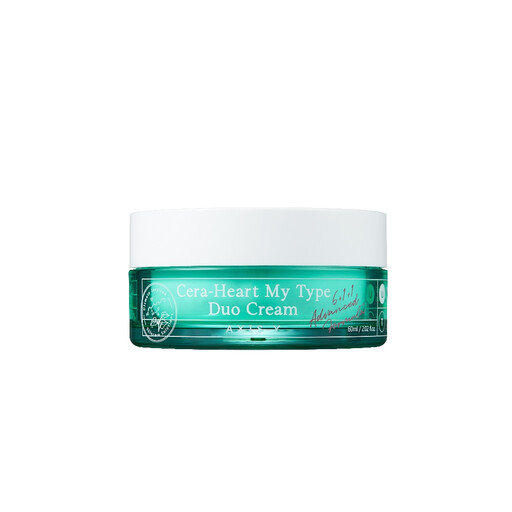
Why this product suits this profile: The duo contains a lighter T-zone cream and a richer U-zone cream for different areas of the face.
Instead of applying a cream that is too rich all over your face, you can adjust the texture according to the area of skin. The U-zone formulation contains ceramide NP.
Two formulations in one pack; targeted application to oilier and drier areas.
Apply the cream to cleansed, slightly dry skin. If your skin is dry, applying a hydrating serum underneath may be beneficial. A small amount is often sufficient; with very rich products, adjust the amount gradually. In the morning, follow with sun protection unless the cream specifically provides suitable protection.
If your skin is sensitive or irritated, a patch test on a small area is advisable. If redness, burning, swelling or itching occurs, stop using the product. If symptoms persist, seek medical advice. Cosmetic claims such as “soothing” or “barrier protection” describe the intended skincare benefits and should not be equated with medical treatment.
We have put together a complete, regularly updated list of products that fully meet these strict selection criteria and the safety regulations applicable in the EU.
Richer formulations containing glycerine, shea butter, oils, dimethicone or ceramides may be suitable for dry skin. What matters is whether the texture feels comfortable and does not contain any known irritants for you. A facial moisturiser for dry skin can be used in the morning and evening.
Refer to the symbol indicating the period after opening, the printed minimum durability date and the information on the packaging. Close jars and tubes after every use and store them somewhere dry and cool, away from direct sunlight.
Price alone does not prove better compatibility or superior skincare performance. Instead, compare the INCI list, pack size, fragrances, suitability for your skin type and intended use. An anti-ageing facial moisturiser can help to hydrate the skin and leave it feeling smoother; however, visible changes to the skin depend on many factors.